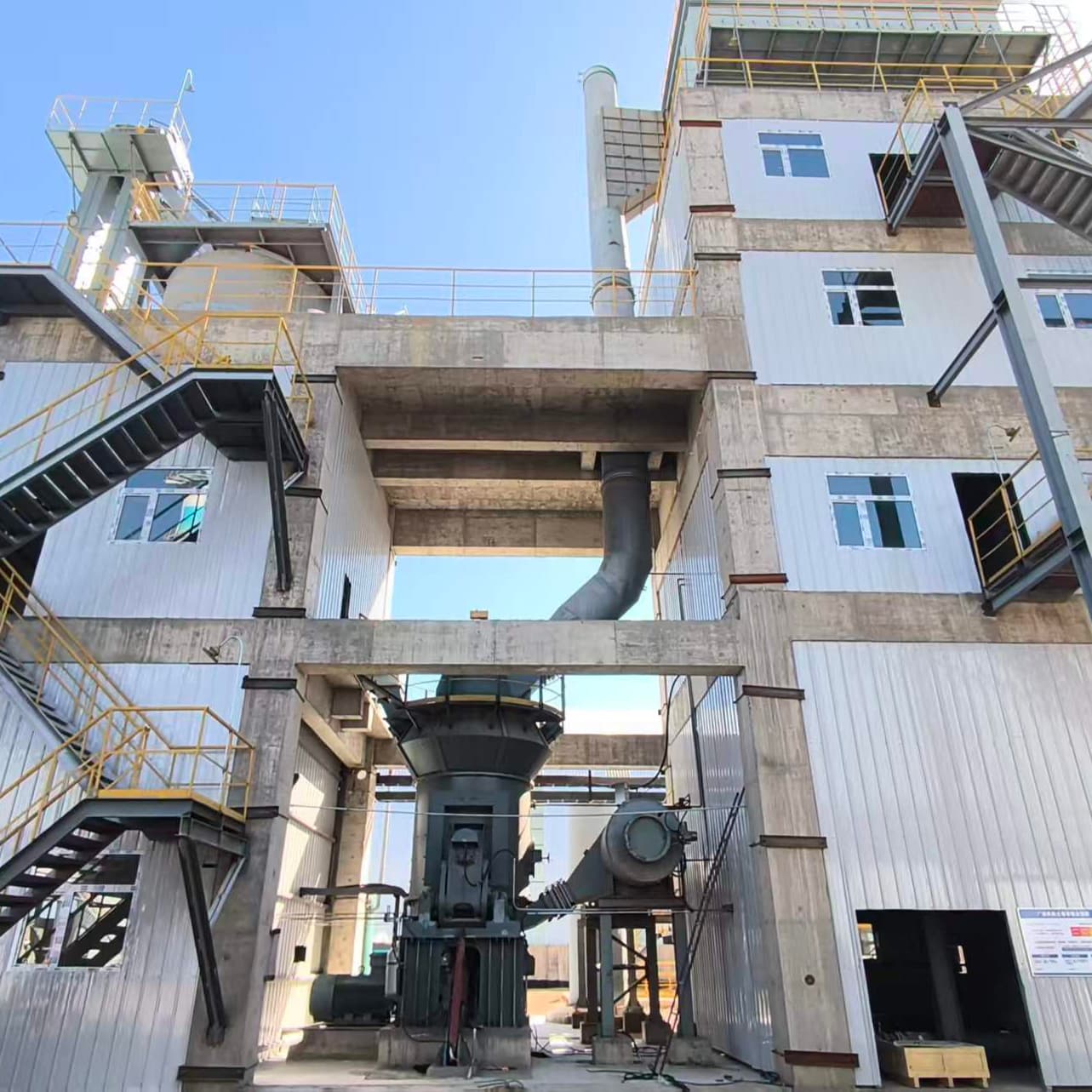
Choosing the right size vertical roller mill is one of the most important decisions when setting up a calcite powder processing plant. An undersized mill will fail to meet production targets, while an oversized mill wastes capital and energy. This guide walks you through the key factors to consider when selecting the correct vertical roller mill size for your operation.
Why Mill Sizing Matters
A vertical roller mill is a long-term investment. The right size ensures:
Stable and continuous production
Lower energy consumption per ton
Extended equipment service life
Better return on investment
Selecting the wrong size can lead to frequent shutdowns, high wear rates, and increased operating costs.
Key Factors That Determine Vertical Roller Mill Size
1. Required Production Capacity
The very first factor to clarify is your target hourly throughput in tons.
For calcite‑grinding vertical roller mills, production capacity generally falls within 5‑50+ tons per hour. Defining your daily or monthly output goals early on allows you to shortlist suitable mill models efficiently.
| Capacity Range (t/h) |
Typical Application |
| 5–10 |
Small-scale powder plants |
| 10–20 |
Medium-sized processing lines |
| 20–30 |
Large industrial operations |
| 30–50+ |
High-volume GCC production bases |
2. Target Product Fineness
Your desired finished‑powder fineness is a critical parameter influencing vertical roller mill selection. Finer powders demand higher grinding energy input, which will lower your overall production throughput.
- 200‑325 mesh – Coarse powders, widely used for building materials and industrial fillers
- 400‑800 mesh – Medium‑fine powders, ideal for paper, rubber and plastic industries
- 800‑1250 mesh – Ultra‑fine powders, engineered for premium‑grade coatings, paints and special‑purpose applications
To maintain the same hourly output when producing 1250‑mesh ultra‑fine powder, you may have to upgrade to a larger‑capacity model or opt for a vertical roller mill custom‑built for ultra‑fine grinding.
3. Raw Material Characteristics
Calcite ore differs significantly from one deposit to another, which must be factored into your mill‑selection decision. Key material‑related parameters include:
Feed Particle Size – Raw feed with larger particle dimensions calls for a vertical roller mill fitted with an adequate grinding‑table diameter and optimized roller geometry.
Moisture Level – Calcite containing high moisture demands a mill equipped with built‑in drying functions.
Hardness and Abrasive Properties – Pure calcite is comparatively soft at Mohs hardness 3; however, mineral impurities can accelerate component wear and alter your equipment‑sizing requirements.
A vertical roller mill capable of delivering 10 t/h throughput for dry, high‑purity calcite is unlikely to maintain that same production rate when processing wet or impurity‑laden feedstock.
4. Energy Consumption & Operating Cost
Thanks to economies of scale, larger‑size mills usually deliver a lower per‑ton power consumption. Yet this advantage only applies when the equipment runs close to its rated capacity.
Buying a 20 t/h mill for an actual demand of just 6 t/h will lead to unnecessary power waste from under‑loaded operation. It is recommended to align mill capacity with your real‑world output requirement, while reserving a reasonable 10‑20 % spare margin for future production expansion.
5. Plant Layout & Available Space
While vertical roller mills boast a more compact footprint than ball mills, large‑capacity units still demand substantial headroom and floor area on‑site.
Verify the following site conditions in advance:
- Clear workshop height reserved for mill installation
- Sufficient layout space for classifier, cyclone collector, baghouse filter and conveying systems
- Unobstructed maintenance access surrounding the grinding table and rollers
6. Budget & Return on Investment
High‑capacity mills carry a higher initial capital outlay, yet they can bring superior long‑term economic benefits when your production volume can support the investment.
Take these expenses into your financial evaluation:
- Up‑front equipment purchase cost
- Installation and commissioning charges
- Per‑ton energy‑consumption expense
- Replacement cycle of wear‑resistant components
- Labor and routine maintenance expenditure
For most medium‑sized calcite processing plants, a mid‑capacity mill operated at 80‑90% load rate usually yields the optimal return on investment.
Step-by-Step Sizing Process
Follow these steps to determine the right vertical roller mill size:
-
Define your target output – Required tons per hour or tons per year.
-
Specify powder fineness – Target mesh size and particle size distribution.
-
Analyze raw material – Feed size, moisture, and impurity content.
-
Evaluate plant conditions – Available space, power supply, and environmental requirements.
-
Consult manufacturer – Provide your data and request a technical proposal with specific model recommendations.
-
Compare options – Evaluate capacity, energy consumption, price, and after-sales support.
Conclusion
Choosing the right size vertical roller mill is a balance between production demands, powder specifications, and budget. A professional manufacturer can help you determine the optimal model based on your specific calcite processing requirements.
For a customized sizing recommendation and factory quotation, contact us with your capacity target and fineness requirement — our engineering team will provide a tailored solution within 24 hours.