Enter product details (such as color, size, materials etc.) and other specific requirements to receive an accurate quote.
leave a message
If you are interested in our products and want to know more details,please leave a message here,we will reply you as soon as we can.
submit
About

Who we are

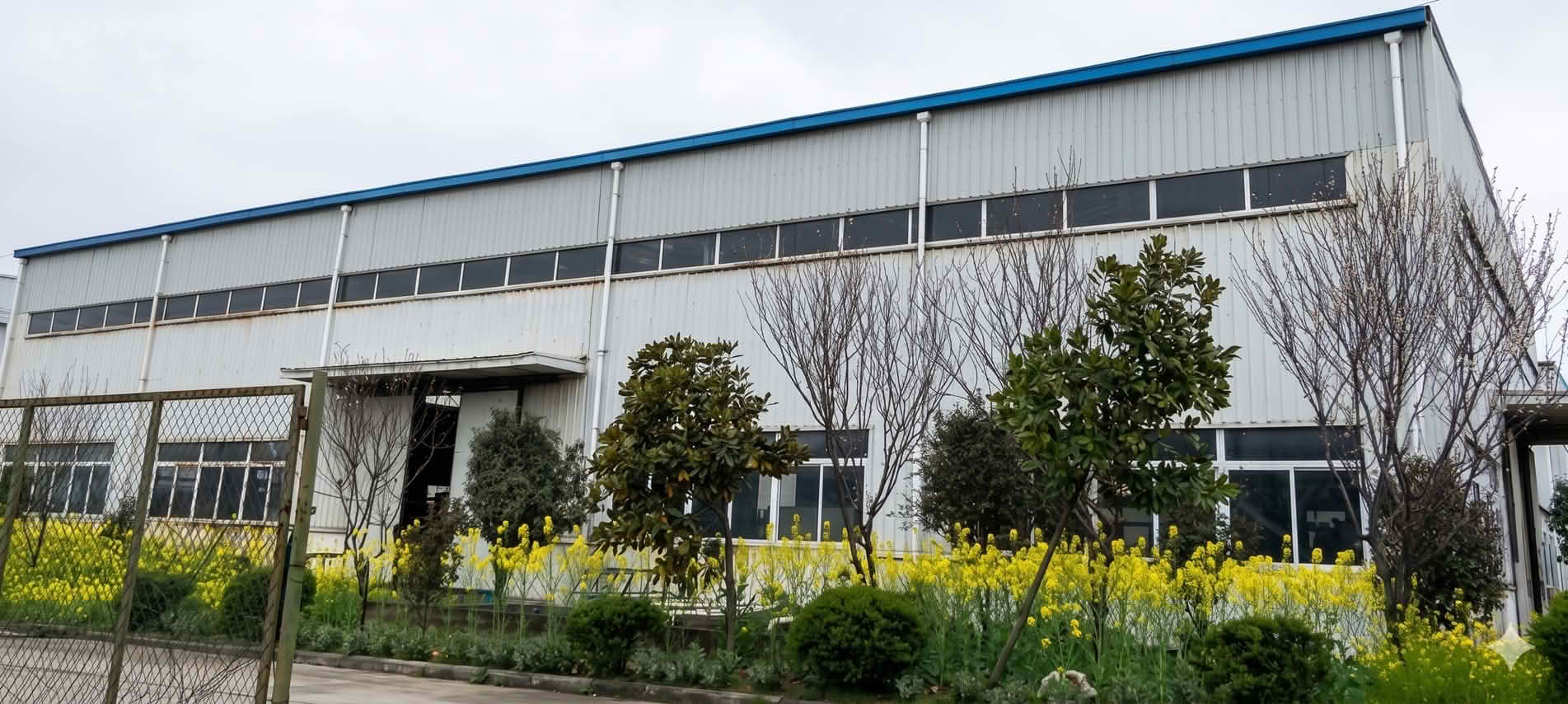
Hefei Hengcheng Industrial Equipment Technology Co., Ltd. (hereinafter referred to as Hengcheng) was established in 2008. The company is located in Hefei, Anhui, a famous science and education city in China. It is a national-level high-tech enterprise and technology-based enterprise specializing in powder industry technology and equipment R&D, manufacturing, sales and service.
Learn More About
  • Global presence with more than 30 countries served

    Global presence with more than 30 countries served

  • Our innovation has and will continue to change your industry

    Our innovation has and will continue to change your industry

  • 100% of customers satisfied - your satisfaction is our first priority

    100% of customers satisfied - your satisfaction is our first priority

  • More than 20 years of combined expertise in comminution
    More than 20 years of combined expertise in comminution

  • 2008

    Company established

  • 80 +

    Company patents

  • 5000 +

    Production area(m²)

  • 120 +

    Employees

  • 12million

    Annual Sales

Products

Product categories

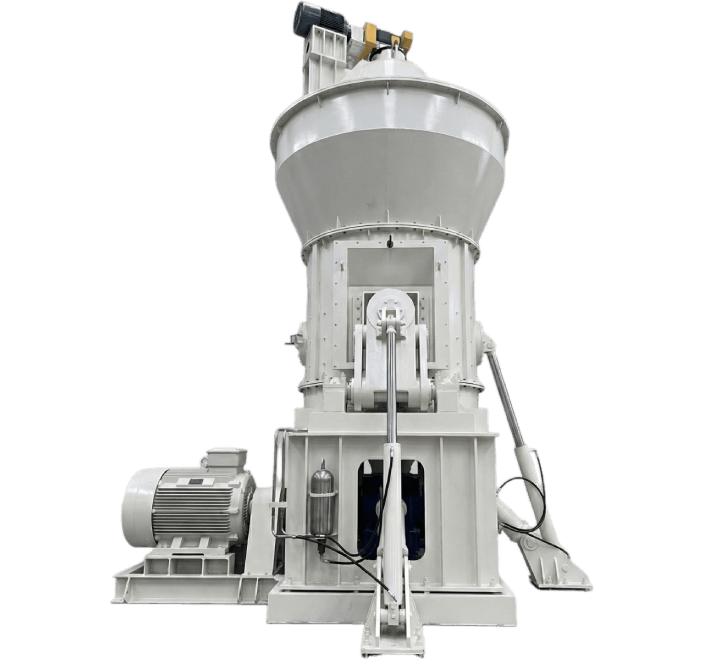
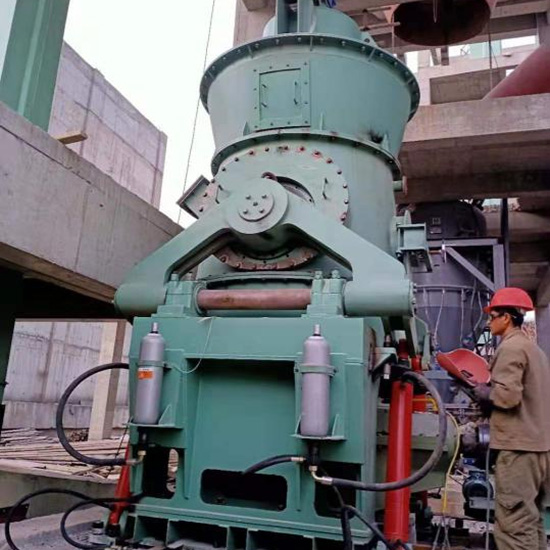
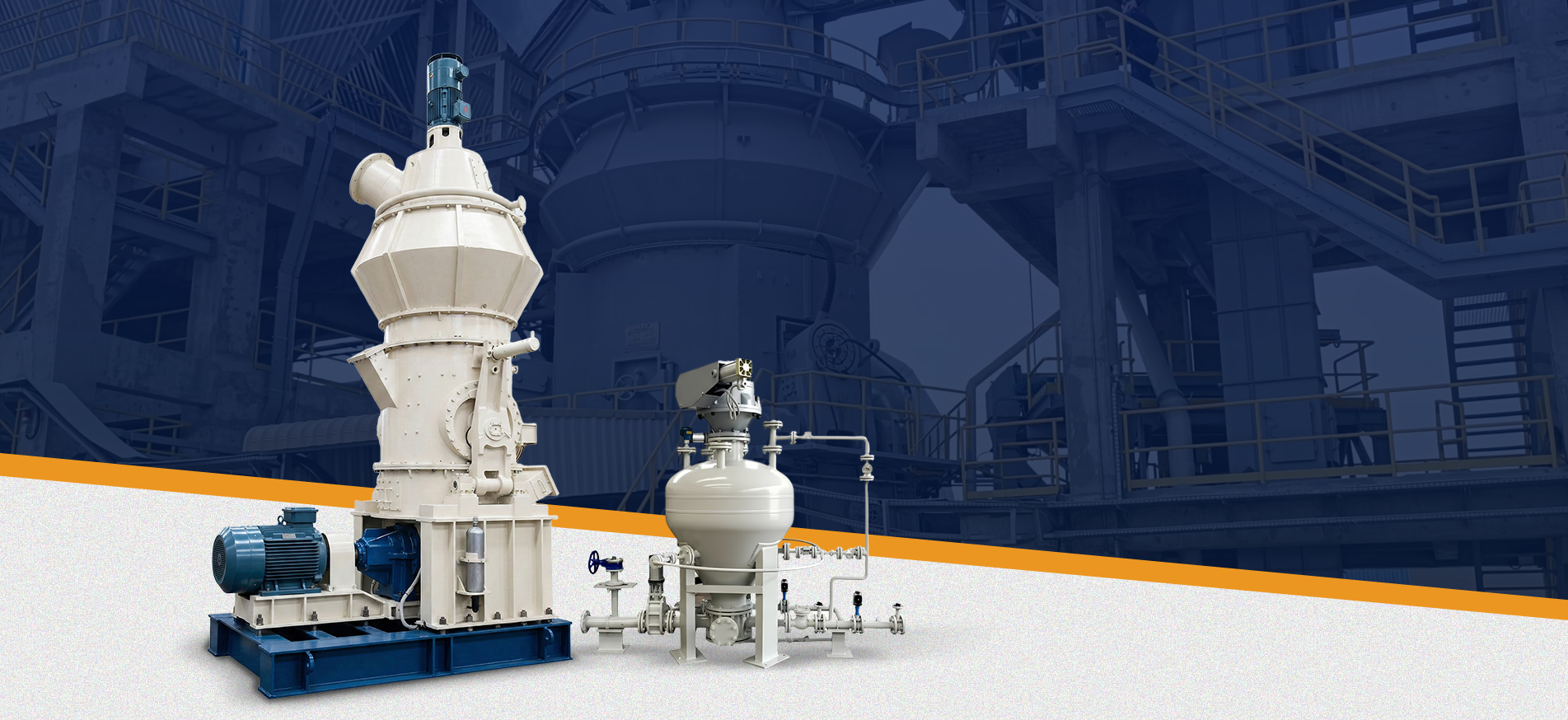
Vertical Roller Mill(VRM)

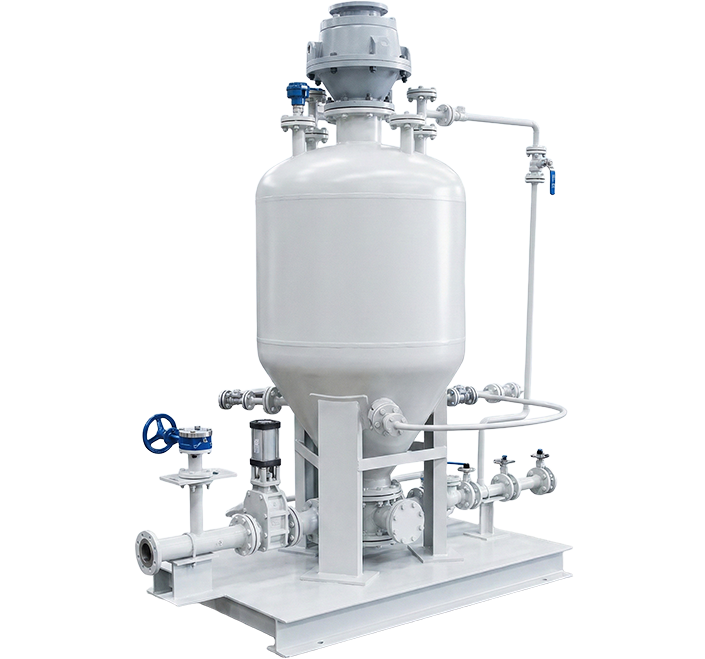
Pneumatic Conveying System

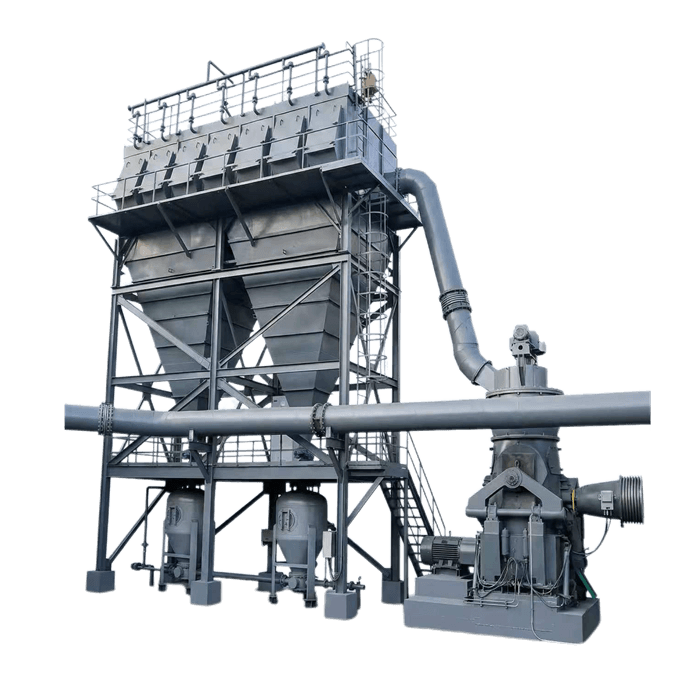
Grinding System

Want to talk? Reach out to our experts

Contact Us
Solutions

Discover our solutions

Building Materials Industry

Power and Energy Industry

Non-metallic Mineral Industry
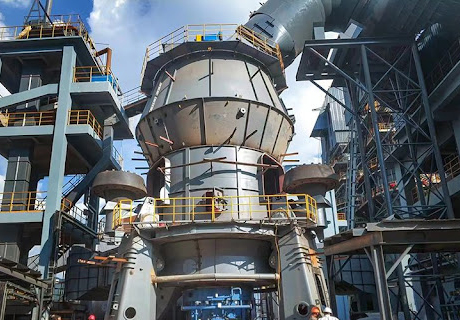
  • Maximizing Limestone Grinding Efficiency: The Vertical Roller Mill Advantage Maximizing Limestone Grinding Efficiency: The Vertical Roller Mill Advantage
    Maximizing Limestone Grinding Efficiency: The Vertical Roller Mill Advantage

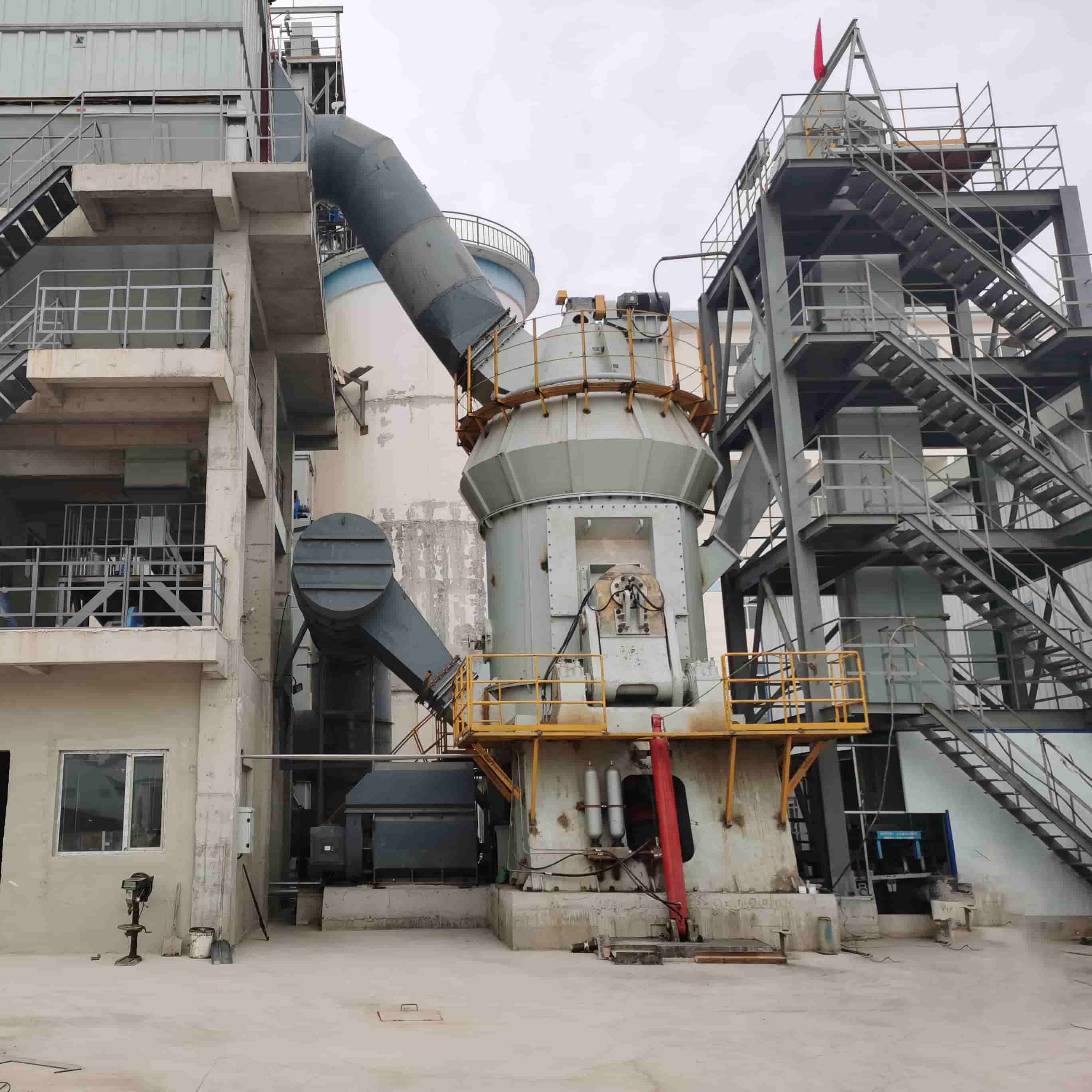
    In modern industrial processing, from cement production and construction materials to flue gas desulfurization in power plants, the demand for high-quality limestone powder continues to grow. Achieving high-capacity production while maintaining precise particle size control and energy efficiency presents a significant challenge for processors worldwide. Among the various grinding technologies available, the vertical roller mill (VRM) has emerged as a superior solution, particularly for large-scale limestone processing. Hefei Hengcheng's vertical mill stands out as a leader among them. The Limestone Grinding Challenge Limestone, primarily composed of calcium carbonate, is a relatively soft but abrasive material. Traditional grinding systems, such as ball mills, often struggle with the dual objectives of high throughput and low operational cost. They can be energy-intensive, have large physical footprints, and require multiple stages of combines grinding, drying, and classification in one machine. The goal for modern plants is to consolidate these processes into a single, efficient unit that can handle feed sizes up to 50mm and deliver a consistent product ranging from coarse fillers to ultra-fine powders for specialized applications The vertical mill features a simple, compact process with integrated classifier—no extra equipment needed. It has fewer failure points, is easy to operate, and allows flexible, outdoor-ready layouts. Floor space is about 70% of a ball mill system, and building volume is only 50–60%. Key Advantages for High Capacity: Integrated Drying – Hot gas dries feed materials with up to 10-15% moisture, eliminating the need for a separate dryer. Internal Classification – Pneumatic conveying to an integrated dynamic classifier; coarse particles return to the table, fines pass through – closed-loop system ensures consistent quality and maximizes output. Compact Layout – Vertical design integrates multiple functions, saving floor space, reducing civil costs, and simplifying material handling. Lower Energy Use – Consumes 30-50% less energy than ball mill systems – a critical advantage for high-capacity operations where energy costs dominate.Understanding the Key Components and Working Principle To appreciate why VRMs are so efficient, it helps to understand their key components:   Grinding Table and Rollers: The heart of the VRM system consists of a rotating grinding table and multiple grinding rollers that apply pressure to the material. The material bed acts as a stress-transmitting medium, distributing the grinding forces evenly and protecting the grinding elements from metal-to-metal contact . Classification System: Located above the grinding zone, the dynamic classifier determines the final product fineness. By adjusting the classifier rotor speed, operators can precisely control the product fineness without changing other mill parameters Drive and Transmission System: The main drive system typically consists of an electric motor connected to the grinding table through a planetary gearbox, providing the high torque required for grinding operations Application scope of vertical roller mill Cement Production :Raw material grinding, limestone preparation for clinker production  Power Generation: Desulfurization limestone powder (typically 250-325 mesh) for flue gas desulfurization  Calcium Carbonate Processing: Fine and ultra-fine GCC powder for plastics, rubber, coatings, and paper  Construction Materials: Limestone powder for mortar, dry-mix, and asphalt fillers Grinding Pressure: Optimal roller pressure is critical. Too low reduces throughput and increases recirculation; too high causes excessive vibration and wear. Classifier Speed: The rotational speed of the integrated dynamic classifier is the primary control for product fineness. Higher speed yields finer product but may reduce mill capacity. Feed Rate and Stability: A consistent, well-metered feed of limestone is essential. Fluctuations can cause instability, reducing efficiency and capacity. Gas Flow and Temperature: Adequate air flow is necessary for material transport and drying.   Conclusion The transition to vertical roller mill technology represents a strategic upgrade for limestone processing plants aiming for high-capacity output. The integrated, efficient, and compact design directly translates to lower capital and operational expenditures, higher product consistency, and greater operational flexibility .
  • Why Vertical Roller Mill Is the Best Choice for Gypsum Powder Grinding Why Vertical Roller Mill Is the Best Choice for Gypsum Powder Grinding
    Why Vertical Roller Mill Is the Best Choice for Gypsum Powder Grinding

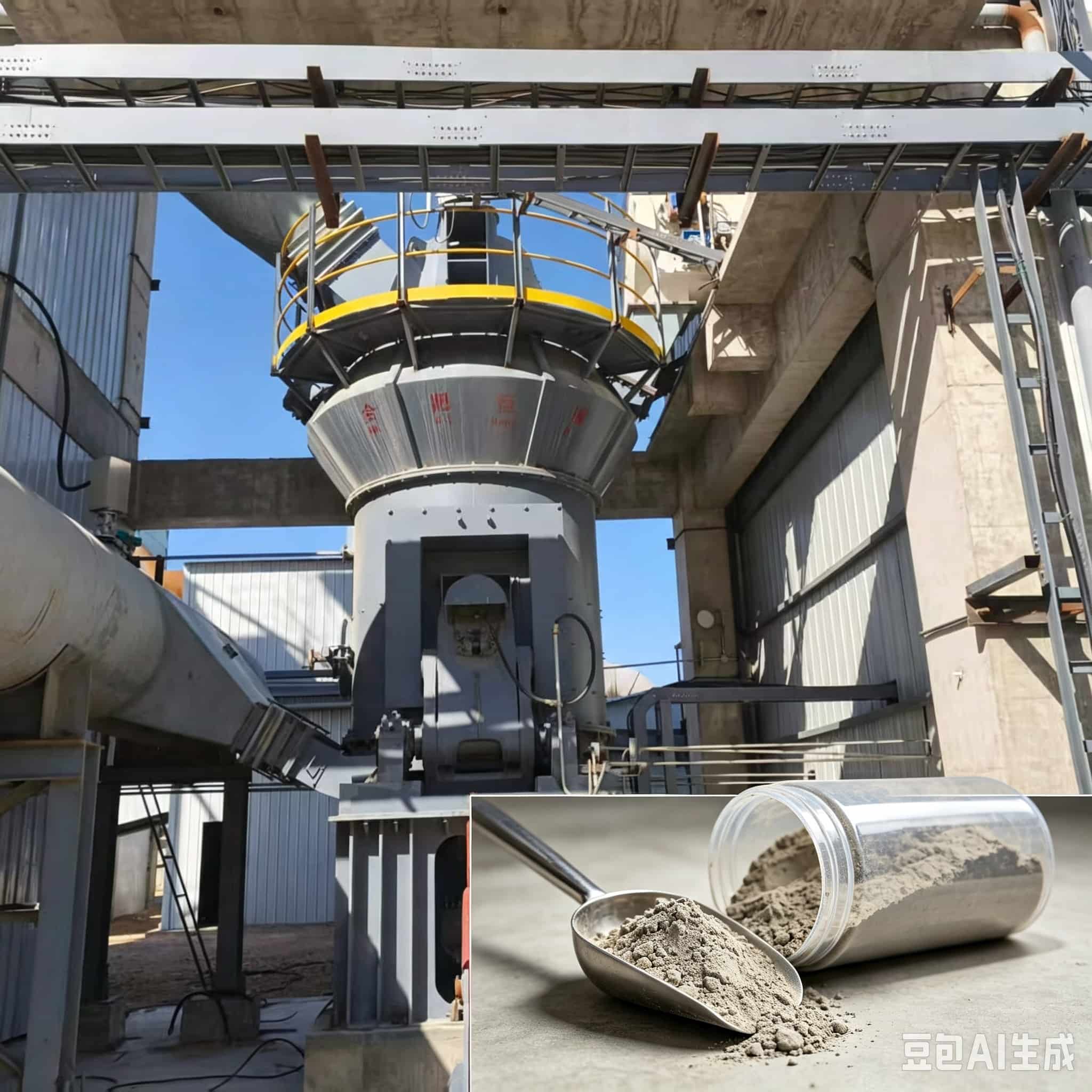
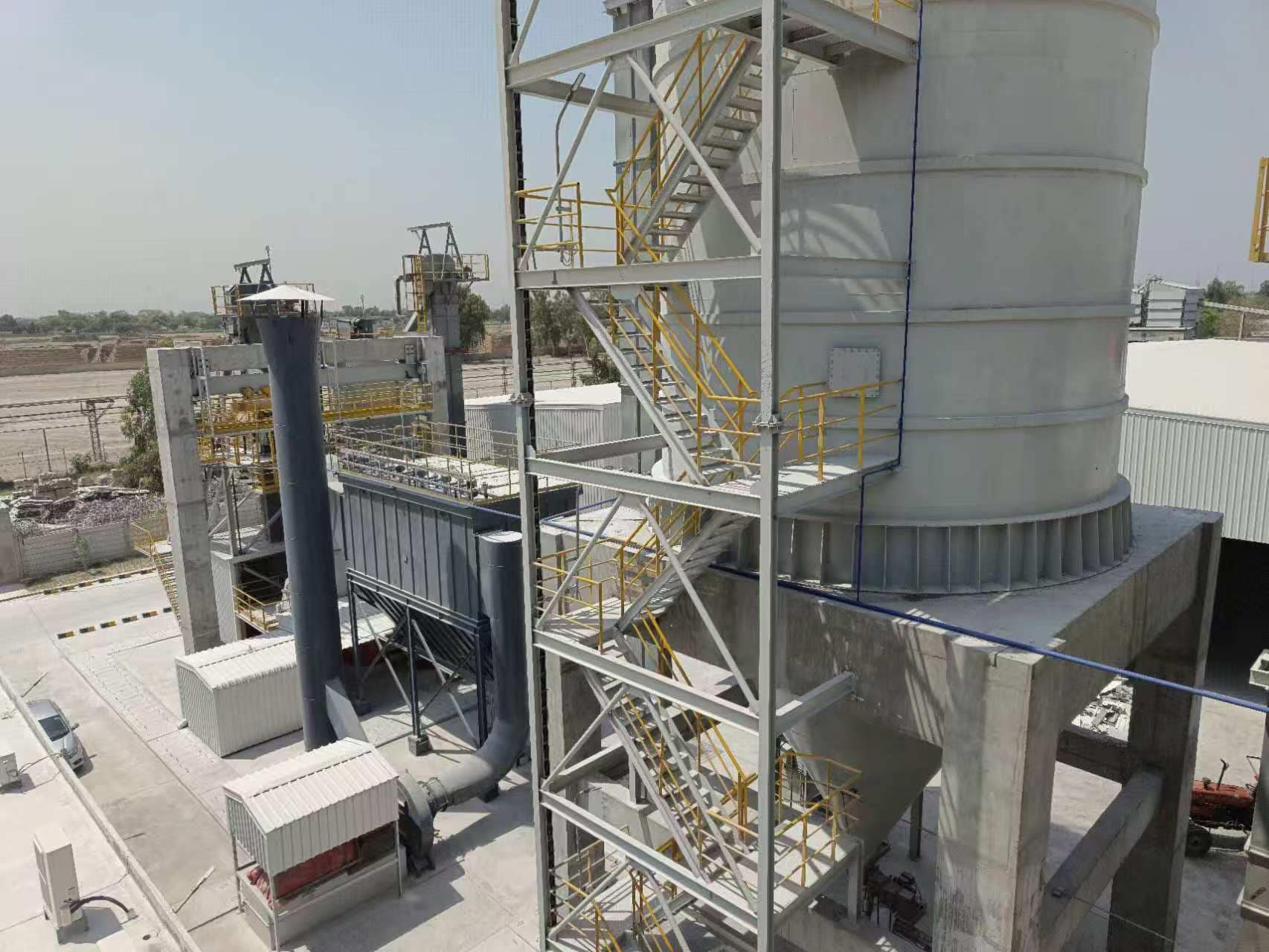
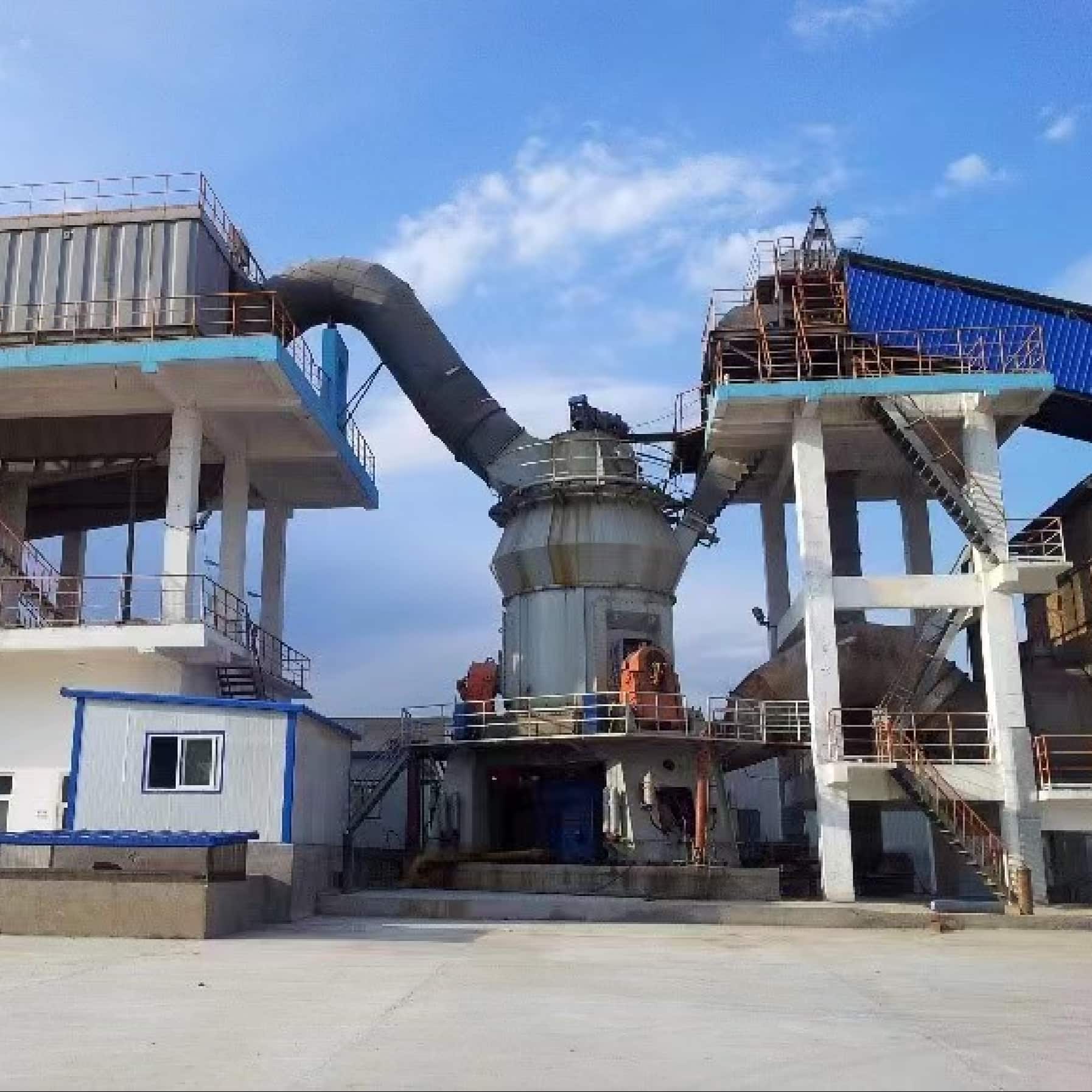
    Gypsum powder production has become one of the most indispensable processing technologies in the construction and building materials industry. With the increasing demand for natural gypsum and FGD desulfurized gypsum recycling, more manufacturers are switching from traditional ball mills and Raymond mills to high-efficiency gypsum vertical roller mill systems. As an integrated grinding solution, the modern gypsum vertical grinding system features lower energy consumption, stable output, and uniform powder fineness, becoming the mainstream equipment for commercial gypsum powder plants worldwide. What Is a Gypsum Vertical Grinding System?Gypsum Vertical Roller Mill System is a complete industrial powder preparation equipment specifically designed for natural gypsum, desulfurized gypsum (FGD gypsum), and industrial gypsum residues. Unlike single-function grinding mills, this turnkey gypsum powder production line integrates drying, grinding, and screening into one unit. It can directly process raw gypsum materials into finished construction plaster powder, cement retarder powder, and drywall base powder with adjustable fineness. Working principle of gypsum vertical milling systemCore Advantages of Gypsum Vertical Roller Mill Compared with traditional grinding equipment, the energy-saving gypsum vertical grinding plant has obvious competitive advantages in industrial production, which explains why it is increasingly popular in Southeast Asia, the Middle East, and African markets. 1. Lower Energy Consumption The vertical roller mill adopts roller extrusion grinding technology, which avoids invalid impact and friction of ball mills. The overall power consumption is 30% to 40% lower than traditional grinding lines, greatly reducing long-term operating costs for gypsum processing factories. 2. Integrated Drying and Grinding Design Raw gypsum usually contains certain moisture. The gypsum vertical grinding system is equipped with a hot air drying system, which can grind and dry materials at the same time without supporting additional drying equipment. It is very suitable for processing high-moisture FGD desulfurized gypsum from power plants. 3. Stable and Uniform Powder Quality The finished gypsum powder fineness can be flexibly adjusted between 100-800 mesh. The finished powder has uniform particle size and high purity, fully meeting the production standards of gypsum boards, building plaster, and cement retarders. 4. Environmentally Friendly and Fully Sealed Operation Equipped with a pulse bag dust collector, the industrial gypsum grinding system realizes full negative pressure sealing operation. There is no dust leakage during operation, which meets international environmental protection standards and solves the dust pollution problem of traditional gypsum grinding workshops. Main Application Scenarios of HVM Gypsum Grinding System The versatile gypsum vertical milling equipment is widely used in multiple industrial fields, covering both natural gypsum mining processing and industrial solid waste recycling: - Natural gypsum ore powder processing - FGD desulfurized gypsum resource utilization - Cement plant gypsum retarder production - Gypsum board and drywall raw material preparation - Construction plaster and wall plaster powder production   Most Popular Gypsum VRM Capacity in Global Market In overseas markets, medium-capacity HVM gypsum vertical grinding systems are the most popular models. The 20-55t/h gypsum vertical roller mill is the mainstream choice for new gypsum powder plants in Saudi Arabia, UAE, Vietnam, Indonesia, and Nigeria. It balances investment cost and production efficiency, making it the best cost-effective solution for medium-scale commercial gypsum projects. For large-scale gypsum board factories, large-capacity HVM vertical mills with 60-90t/h output are available to support fully automatic continuous production. Conclusion With energy-saving performance, stable operation, environmental protection advantages, and flexible capacity configuration, the gypsum vertical roller mill has become the preferred equipment for modern gypsum powder preparation. Whether for new turnkey production lines or old plant upgrading, the HVM vertical gypsum grinding system can create higher economic benefits for global customers.                
  • The Green Revolution in Construction: Why Slag Vertical Roller Mills Are the Future of Sustainable Building The Green Revolution in Construction: Why Slag Vertical Roller Mills Are the Future of Sustainable Building
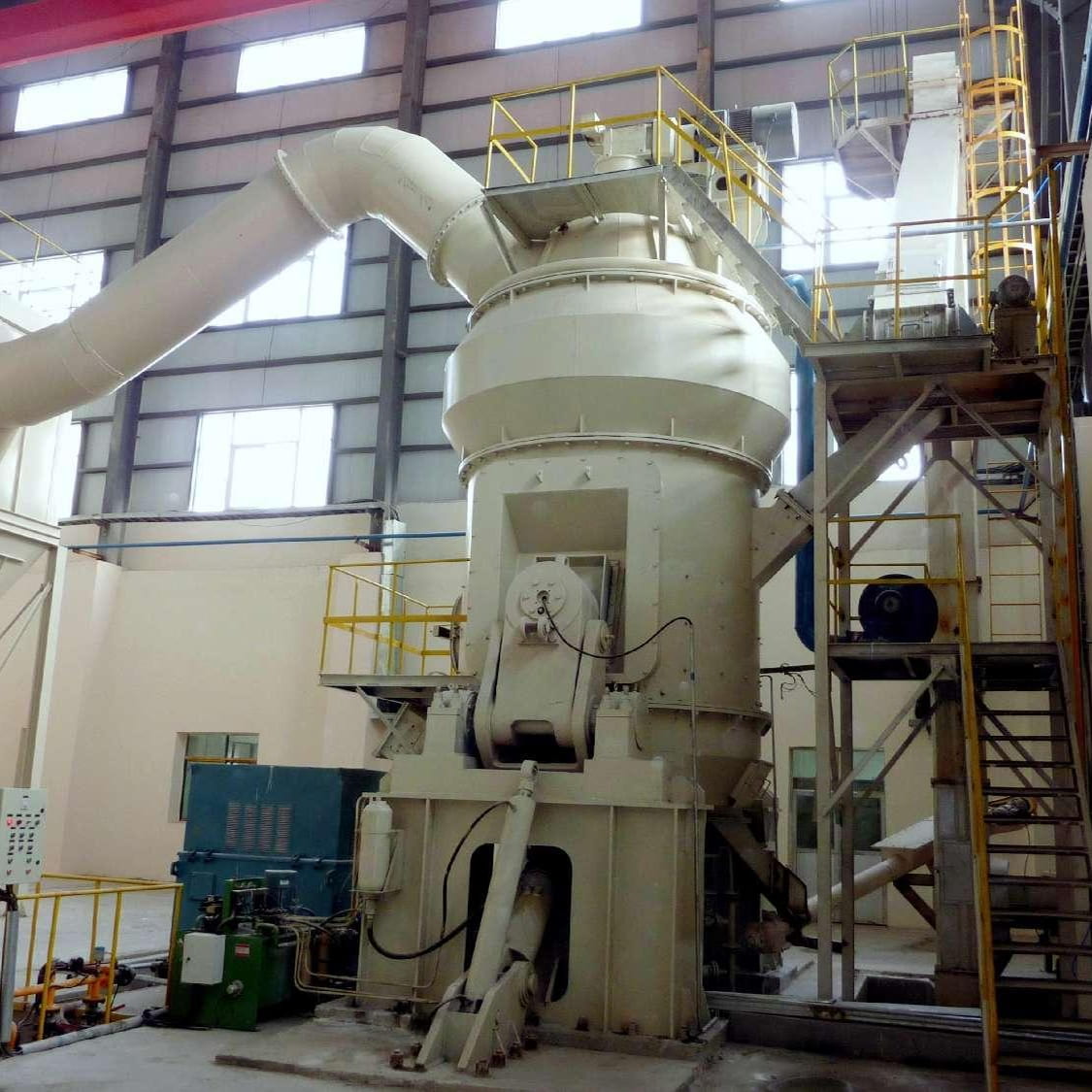
    The Green Revolution in Construction: Why Slag Vertical Roller Mills Are the Future of Sustainable Building

    In the race toward carbon-neutral construction, one technology is quietly transforming the industry: the slag vertical roller mill (VRM). As the world grapples with cement's staggering 8% contribution to global CO₂ emissions, engineers are turning to this innovative grinding solution that processes industrial by-products into high-performance building materials—and the results are remarkable. Turning Waste into Wealth Every year, the steel industry generates millions of tons of slag, traditionally destined for landfills. However, when finely ground to a specific surface area of 400–600 m²/kg, this "waste" transforms into Ground Granulated Blast Furnace Slag (GGBFS)—a premium cement additive that can replace up to 50% of clinker in cement production.   The magic happens inside the vertical roller mill. Unlike traditional ball mills that rely on energy-intensive impact and attrition, VRMs use a material bed grinding principle: hydraulically-pressed rollers crush slag particles against a rotating table, achieving 30–50% energy savings while producing a more consistent, reactive powder.   The Numbers That Matter The economics are compelling. Modern slag vertical mills consume just 35–45 kWh per ton of product—a 30–50% reduction compared to ball mill systems. With drying, grinding, and classification integrated into a single unit, plant footprints shrink by 50%, and noise levels drop from 100+ dB to below 80 dB.   Perhaps most significantly, recent engineering practices demonstrate that using VRM technology can reduce clinker consumption by 10–15%, cutting CO₂ emissions by approximately 80 kg per ton of cement produced. For a 1-million-ton cement plant, that translates to 80,000 fewer tons of CO₂ annually—equivalent to removing 17,000 cars from the road.   Real-World Results In one industry case study, a TRMS 45 slag vertical mill achieved stable production of 55 tons per hour of ultra-fine slag powder with a specific surface area exceeding 420 m²/kg, while maintaining system power consumption at just 60 kWh/t. This level of fineness unlocks superior reactivity in concrete, enhancing compressive, tensile, and flexural strengths.The Bottom Line For construction materials producers, the slag vertical roller mill is not just an equipment upgrade—it's a strategic investment in sustainability and profitability. The technology is mature, proven, and ready to scale. In a world demanding greener building solutions, VRM technology is answering the call, one ton of slag at a time.
  • Vertical Roller Mill: Ideal FGD Limestone Grinding Mill for Power Plant FGD Desulfurization Vertical Roller Mill: Ideal FGD Limestone Grinding Mill for Power Plant FGD Desulfurization
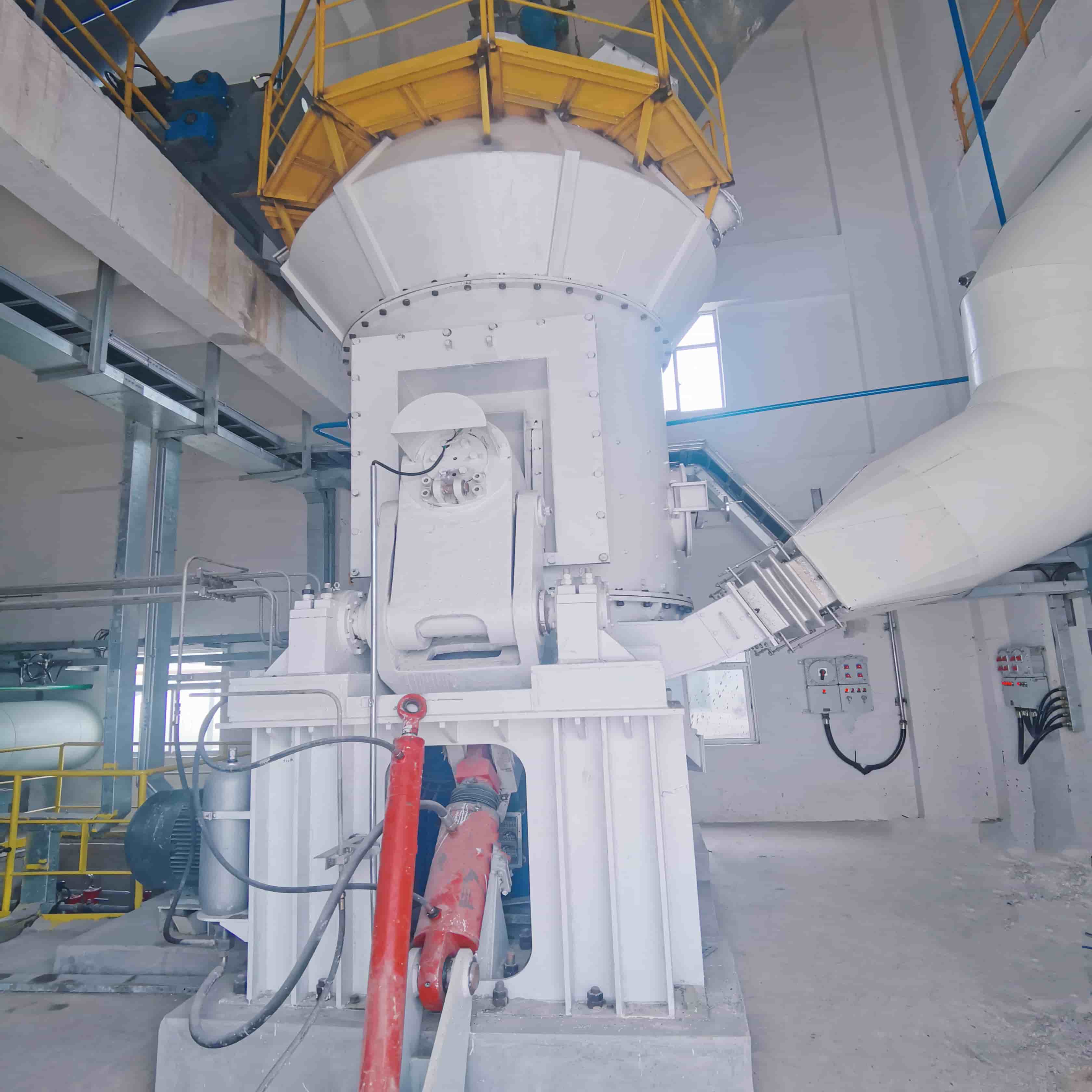
    Vertical Roller Mill: Ideal FGD Limestone Grinding Mill for Power Plant FGD Desulfurization

    Our energy-saving limestone vertical mill completes drying, grinding & classification in one unit, 30%-50% lower power than ball mill, 10–320t/h output for 80–325 mesh limestone powder for FGD wet desulfurization. Get custom quotation now.   Why Vertical Roller Mill Becomes Top Choice for Limestone FGD Powder Production For power plant wet flue gas desulfurization (FGD), stable qualified limestone powder (normally 325 mesh /44μm) directly decides desulfurization efficiency. More factory owners replace traditional ball mills with vertical roller mills (VRM) for limestone grinding thanks to outstanding cost and efficiency advantages. Working Principle: The motor drives the grinding table to rotate via a reducer. Material falls from the feed inlet onto the center of the grinding table, while hot air enters the mill through the air inlet. Under the action of centrifugal force, the material moves toward the edge of the grinding table. As it passes through the grinding groove on the table, it is crushed by the rolling pressure of the grinding rollers. The crushed material is then swept up by the high-speed airflow at the nozzle ring at the edge of the grinding table. Coarse particles fall back onto the grinding table for regrinding. When the material in the airflow passes through the dynamic and static classifier, under the action of the rotating rotor, coarse powder is rejected back to the grinding table for further grinding, while qualified fine powder is carried out of the mill with the airflow and collected in the dust collector as the final product. Material containing moisture is dried during contact with the hot gas stream, achieving the required product moisture content. Key Advantages Over Traditional Ball Mill Remarkable Energy Saving: Power consumption cuts 30%~50% compared with ball mill, greatly lowering monthly electricity cost for large-scale FGD production lines. Small Occupied Area: Compact vertical layout only takes half floor space of same-capacity ball mill, saving civil construction investment. Flexible Fineness Control: Fineness adjustable between 80~325 mesh (180~44μm), perfectly match strict standard of wet FGD desulfurization limestone powder. Wide Capacity Range: Single unit output from 10t/h to 320t/h, fit small, medium and large power plant desulfurization projects.   Main Application Scenarios of Our Vertical Roller Mill Power plant FGD limestone powder preparation (core application, 325 mesh finished powder) Cement plant raw material, slag, gypsum grinding Non-metallic mineral powder processing: calcite, talc, calcium carbonate   Get Custom Vertical Mill Solution for Your Project With over 20 years in vertical mill manufacturing, we provide one-stop service: equipment selection, process layout drawing, site installation guidance, after-sales training and global 7×24h remote technical support.   Send your raw material parameters and required hourly capacity, our engineers will tailor the optimal grinding plan and formal quotation within 24 hours. 📧 Email: margo@hfvrm.com | 🌐 Website: https://www.hengchengmill.com
  • Annual Output 200,000 Tons Natural Gypsum Calcination Production Line Annual Output 200,000 Tons Natural Gypsum Calcination Production Line

    Annual Output 200,000 Tons Natural Gypsum Calcination Production Line

    Material Type: Natural Gypsum Output: ≥35 t/h Product Fineness: 95% passing 120 mesh
  • 20–25 TPH Vertical Mill Gypsum Powder Production System 20–25 TPH Vertical Mill Gypsum Powder Production System

    20–25 TPH Vertical Mill Gypsum Powder Production System

      Project Name: 20–25 TPH Vertical Mill Gypsum Powder Production System Material Type: Natural Gypsum Output: ≥20 t/h Product Fineness: 85% passing 200 mesh
  • 15–40 t/h Medium Vertical Coal Mill: A Reliable Choice for Pulverized Coal Preparation 15–40 t/h Medium Vertical Coal Mill: A Reliable Choice for Pulverized Coal Preparation
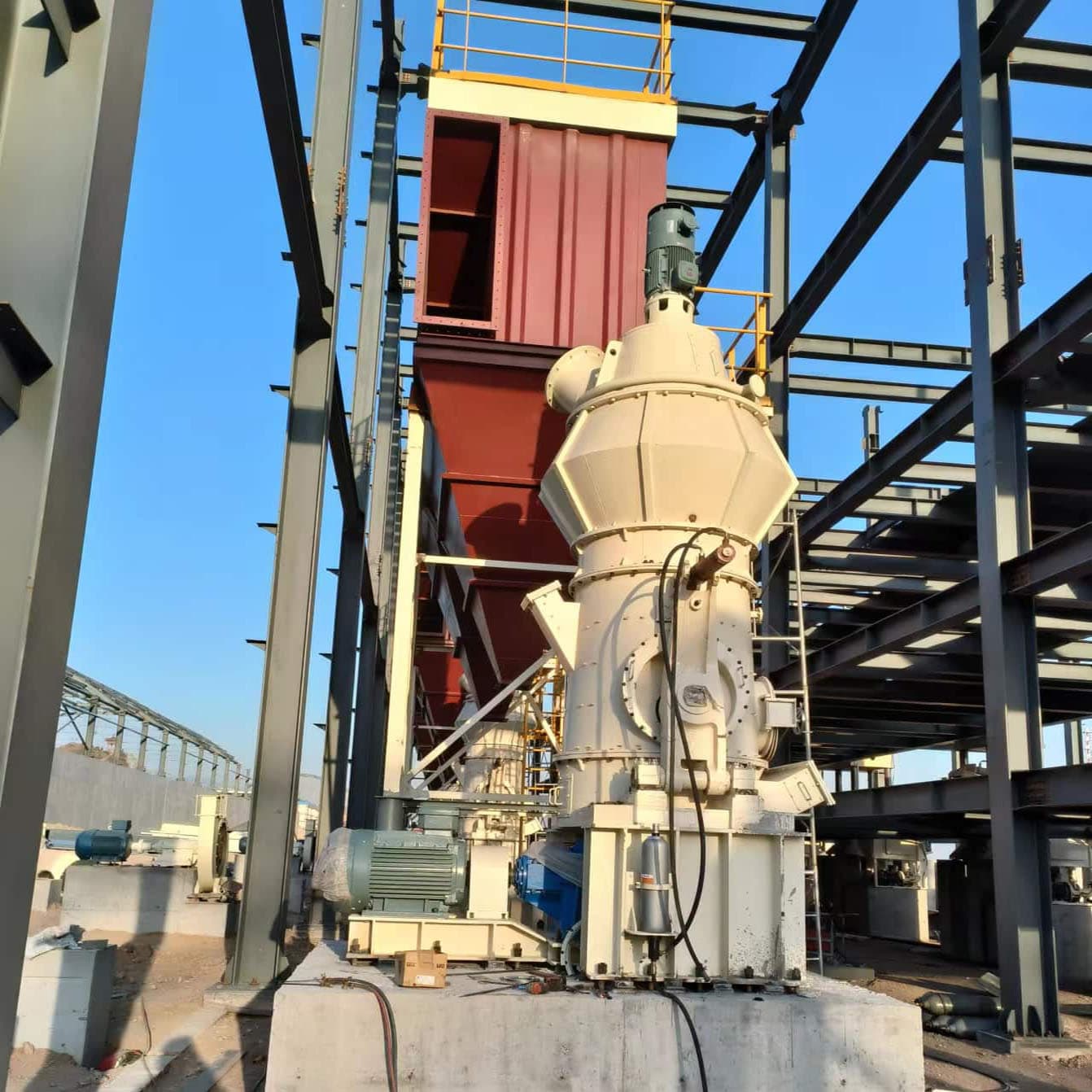
    15–40 t/h Medium Vertical Coal Mill: A Reliable Choice for Pulverized Coal Preparation

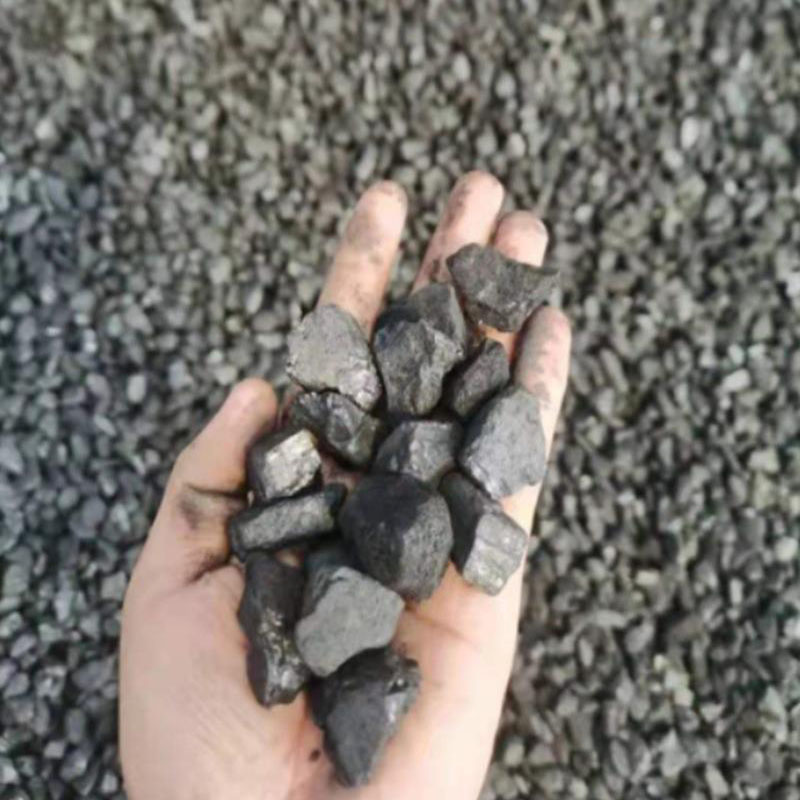
    This 15–40 t/h medium vertical coal mill integrates drying, grinding, conveying, and powder classifying functions into one unit, making it an all-in-one grinding solution specifically designed for medium-scale pulverized coal production. With a production capacity ranging from 15 to 40 tons per hour, the equipment is widely used in cement production lines with clinker outputs of 500–2,500 t/day, limestone and dolomite calcination plants, industrial boilers, metallurgical coal injection systems, and captive power plants. Compared to ball mills, it achieves 25%–30% energy savings. Equipped with wear-resistant grinding rollers and liners, the mill features low maintenance costs, low vibration, and reduced noise levels, enabling stable 24/7 operation.   The HVM vertical mill can process materials with high moisture content (20%–30%, such as calcium carbide slag and lignite) as well as materials with moisture content below 1% (such as cement clinker), demonstrating strong adaptability to material moisture levels.   Solution For processing high-moisture materials, the drying capacity of the vertical mill is critical. Therefore, the drying performance should be considered a key factor in equipment selection. By conducting a thermal balance calculation of the vertical mill process system, the three core functions—grinding, drying, and classifying—can be scientifically and rationally balanced. Under the premise of ensuring that the material meets the drying requirements, the grinding and classifying efficiencies can be optimized, achieving reliable, efficient, and energy-saving equipment selection.   For processing low-moisture materials, since the vertical mill operates on the principle of bed grinding, excessively low feed material moisture makes it difficult to form a stable material bed on the grinding table, which can lead to abnormal vibration and unstable operation. To ensure stable mill operation, the challenge of stabilizing the material bed must be addressed. Common measures include active methods (such as controlling bed thickness, grinding pressure, weir ring height, and rejected material discharge) and passive methods (such as adding a water spray system). While prioritizing grinding performance, the mill's classifying capability should be reasonably balanced as well.
  • High Volatile Coal Pulverizing System for Activated Carbon Production Line High Volatile Coal Pulverizing System for Activated Carbon Production Line
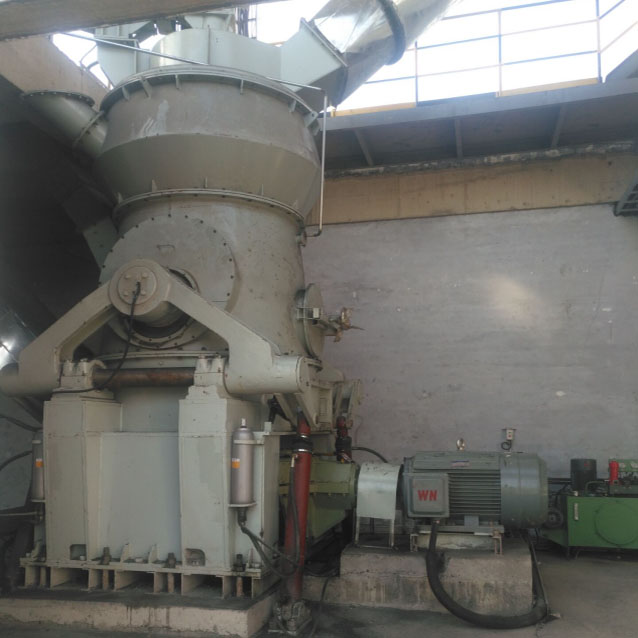
    High Volatile Coal Pulverizing System for Activated Carbon Production Line

    This solution is specifically designed for activated carbon production lines, utilizing the HVM800M vertical mill system to safely and efficiently grind high-volatile, low-moisture bituminous coal. Key Specifications   - Output: ≥ 3 t/h   - Fineness: 85% passing 325 mesh   - Material Type: High-volatile, low-moisture bituminous coal Scope of Supply   - HVM800M vertical mill (explosion-proof design)   - Complete engineering design and equipment manufacturing supply   - Integrated safety devices for high-volatile materials Advantages of the Solution   - Stable operation with precise fineness control   - Tailored specifically for activated carbon process requirements   - Integrated service from design to equipment delivery   - Video or on-site installation guidance available Applicable Industry: Activated carbon production   Equipment Type: HVM800M vertical coal milling system    
  • 600 t/d Lime Rotary Kiln Production Line – Precision Calcination Solution 600 t/d Lime Rotary Kiln Production Line – Precision Calcination Solution
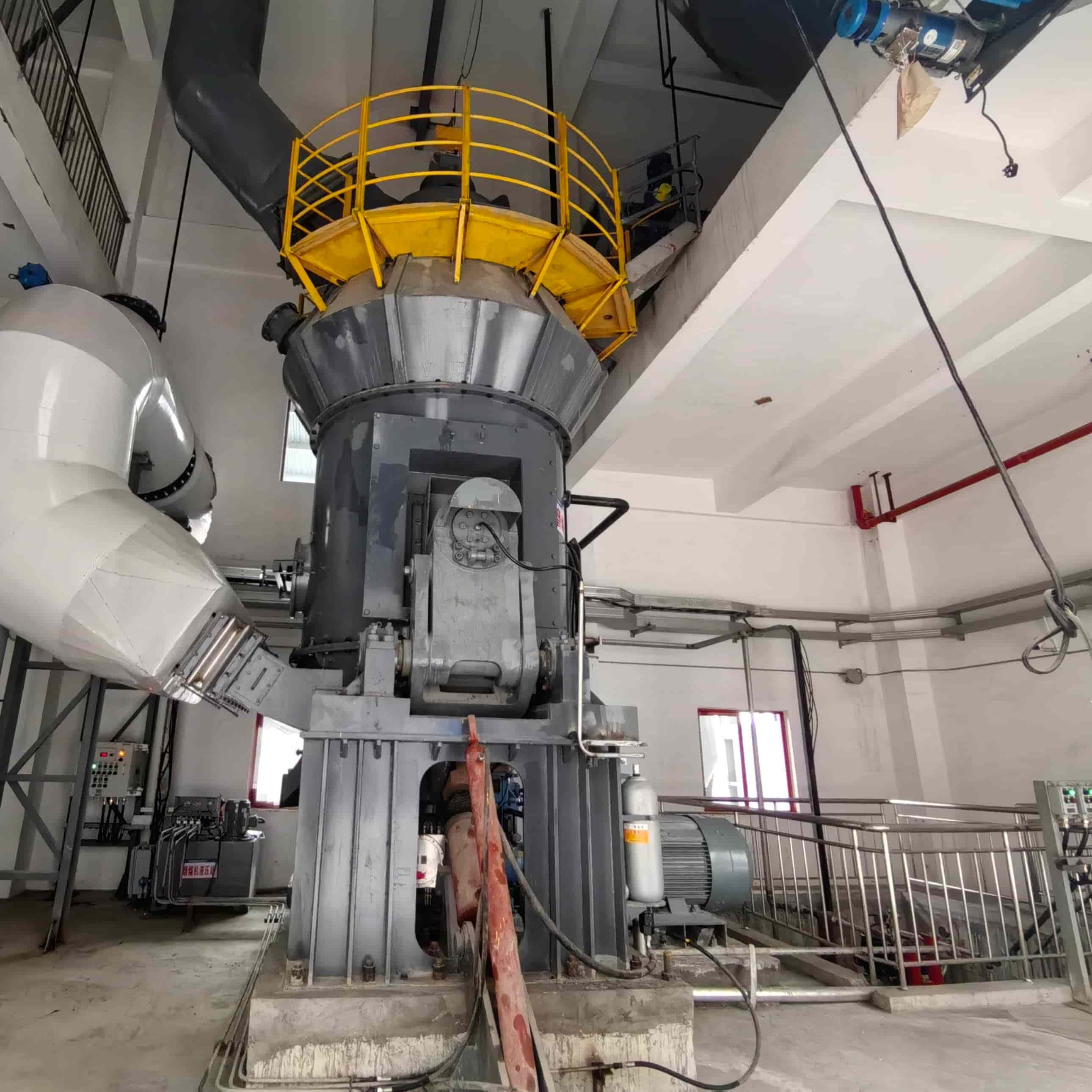
    600 t/d Lime Rotary Kiln Production Line – Precision Calcination Solution

    Introduction Designed for medium-sized steel mills and chemical plants seeking to replace inefficient shaft kilns and upgrade production equipment, this 600 TPD rotary kiln system strikes an optimal balance between production capacity and operational controllability. It produces high-activity lime with stable and uniform quality (activity>320 ml), which serves as an essential raw material for BOF steelmaking and calcium carbide production. Core Advantages Automatic Control: Equipped with Siemens PLC control system to realize remote monitoring and equipment operation & maintenance. Eco-Friendly Performance: Fitted with low-nitrogen burners and pulse jet bag dust collectors, with waste gas emission kept below 20 mg/Nm³. Long Service Life: Adopts chrome refractory lining, with a service life of more than 18 months. Get Quotation We provide customized turnkey engineering solutions based on your limestone quality. Feel free to contact us for detailed technical documents and official quotes. Project Name: 600t/d Lime Rotary Kiln Production Line  Scope of Work: Engineering design and equipment manufacturing supply of HVM1250M Vertical Mill Coal Pulverizing System  Material Type: Anthracite  Output: ≥8 t/h  Product Fineness: 90% passing 200 mesh
  • Coal Powder Preparation System Coal Powder Preparation System

    Coal Powder Preparation System

    ★ Project Name: 2*600TPD Coal Powder Preparation System Supporting the High-performance Paper Base New Material Project  ★ Material Type: Mixed Coal (Bituminous Coal and Anthracite) ★ Output: ≥14t/h ★ Product Fineness: 80% passing 200 mesh ★ Commissioning Year: 2025
  • Why Vertical Roller Mills Are the Optimal Choice for Quartz Powder Processing? Why Vertical Roller Mills Are the Optimal Choice for Quartz Powder Processing?
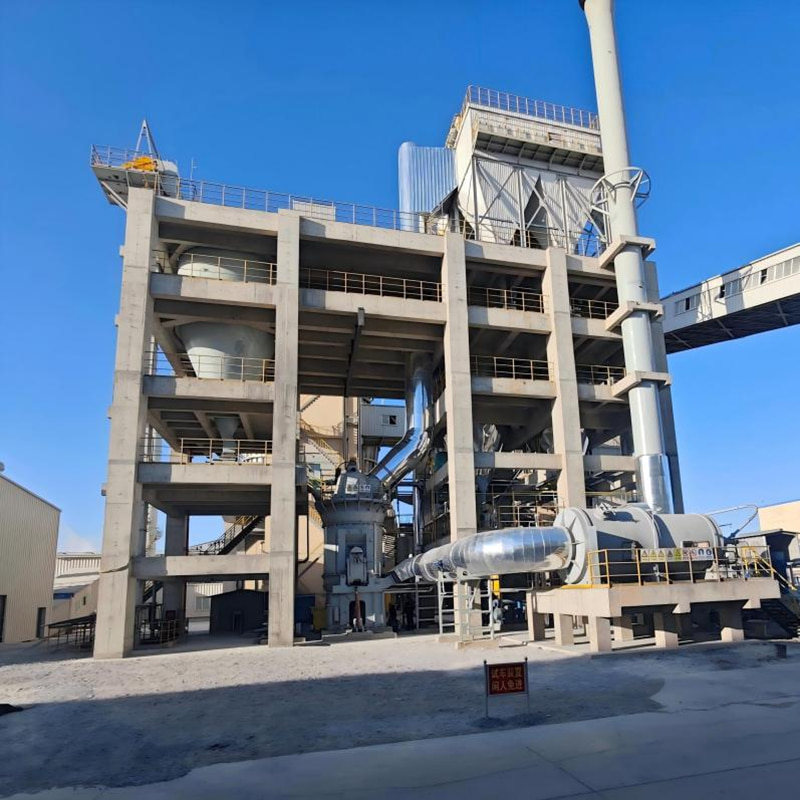
    Why Vertical Roller Mills Are the Optimal Choice for Quartz Powder Processing?

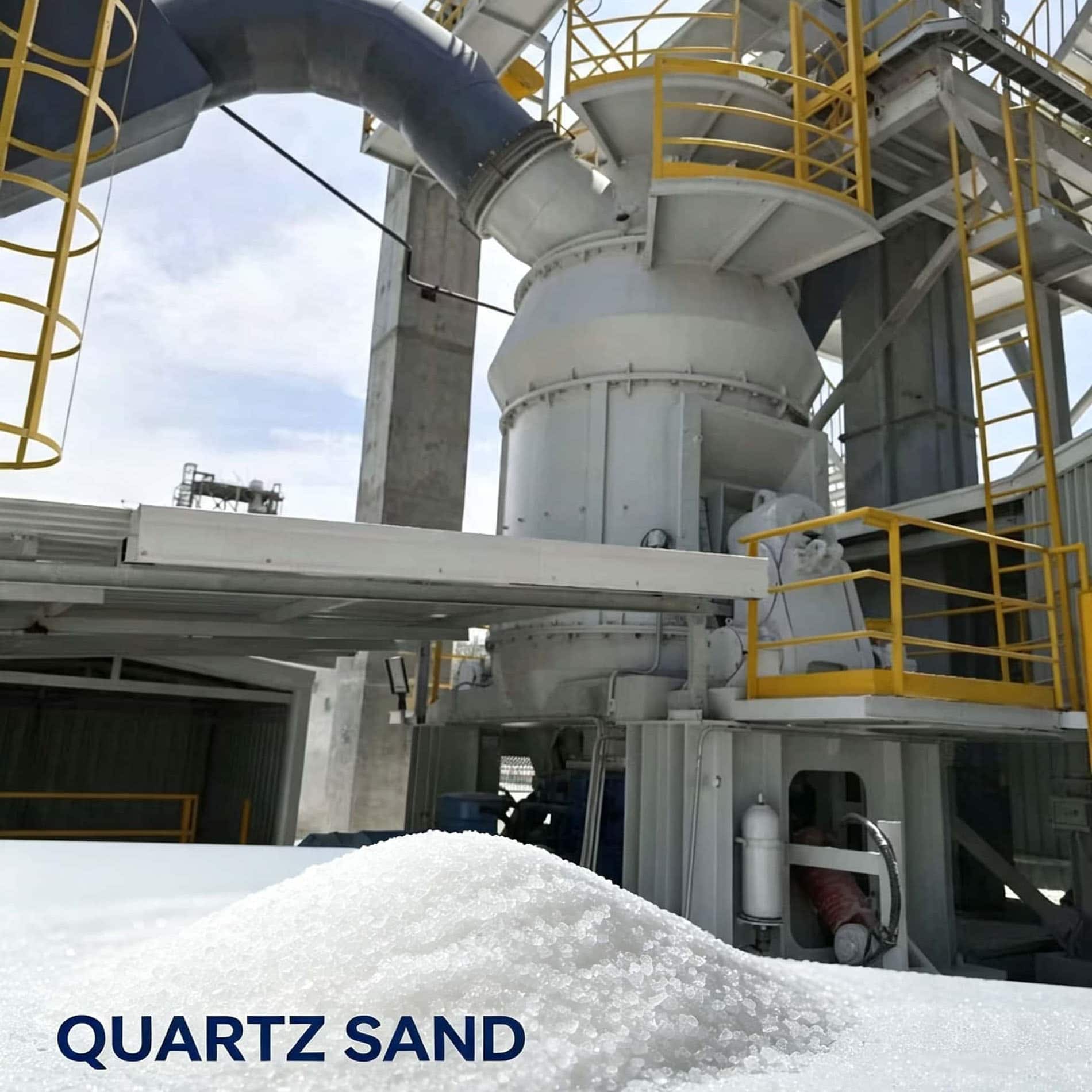
    Quartz is one of the hardest and most abundant minerals on Earth, with a Mohs hardness of 7 and a highly abrasive nature. These characteristics make it both highly valuable and extremely challenging to process—industries ranging from electronics, ceramics, and building materials to high-purity glass all require quartz to be ground into fine powder. For processing companies planning to build new quartz powder grinding lines or upgrade existing ones, selecting the right milling equipment is a critical strategic decision. The vertical roller mill (VRM) has emerged as a superior technology for quartz powder production, offering unmatched advantages in efficiency, product quality control, and long-term cost savings compared with traditional grinding systems. The Unique Challenges of Grinding Quartz Before exploring why the vertical roller mill excels in quartz processing, it is essential to understand why this material is so difficult to grind: High abrasiveness: Quartz's high hardness causes severe wear on grinding components. Product purity requirements: Many applications demand minimal metal contamination. High energy consumption: Pulverizing hard quartz down to micron-sized particles requires substantial electrical power. Thermal management: Heat generated during the grinding process must be controlled to maintain product quality. While traditional ball mills can also grind quartz, they tend to exacerbate the above issues, manifesting as high energy consumption, significant metal contamination risks, and insufficient particle size control precision. Operating Principle of a Vertical Roller Mill for Grinding Quartz The high efficiency of a vertical roller mill stems from its bed-of-material grinding principle, which is fundamentally different from impact-based systems such as ball mills. The process is as follows: The electric motor drives the grinding table to rotate through a reducer. Raw quartz (typically with a feed size of ≤20–50mm) falls from the feed inlet onto the center of the grinding table, while hot air enters the mill through the air inlet. Under the action of centrifugal force, the material moves toward the edge of the grinding table. As it passes through the annular grooves on the grinding table, it is crushed by the rolling pressure of the grinding rollers. After being pulverized, the material is carried upward by the high-speed airflow at the air ring around the edge of the grinding table. Coarse particles fall back onto the grinding table for re-grinding. As the material-laden airflow passes through the dynamic and static classifier, coarse particles are separated out under the action of the rotating rotor and fall back onto the grinding table for further grinding, while qualified fine powder is discharged with the airflow and collected in the dust collection system as the final product. Material containing moisture is dried during contact with the hot gas stream, achieving the required product moisture content. Core Advantages of Vertical Roller Mills for Quartz Production (Concise Version) 1. Significant Energy Savings Consumes 30–50% less energy than ball mills, attributed to the bed-of-material grinding principle where energy is directly applied to crushing the material rather than driving grinding media. 2. Low Wear and Minimal Contamination Grinding rollers and table liners are made of special wear-resistant alloys, achieving metal wear rates as low as 5–10 grams per ton of material. This extends maintenance intervals and greatly reduces metal contamination, meeting the purity requirements of high-grade quartz applications. 3. Precise and Controllable Fineness Equipped with an integrated dynamic classifier, product fineness can be adjusted in real time by simply changing the rotor speed. Capable of producing ultrafine powders ranging from 30–400 mesh (general industrial use) to 2500 mesh (high-value specialty products), with rapid and accurate response. 4. Compact Footprint and Environmental Friendliness Occupies approximately 50% of the floor space required by a ball mill system, with integrated classification that eliminates the need for separate classifiers and associated conveying equipment. Fully enclosed negative-pressure operation ensures near-zero dust emissions, and noise levels are 20–25 dB lower than ball mills. 5. Integrated Drying Capability Built-in hot gas system simultaneously dries quartz feed containing surface moisture, eliminating the need for separate drying equipment, simplifying the overall process flow, and reducing initial capital investment. Selecting the Right Vertical Roller Mill for Quartz Processing Not all VRMs suit quartz processing. The material's high abrasiveness requires mills built specifically for hard minerals. For fine and ultra-fine quartz powders, choose models with high-precision turbo classifiers and wear protection. Key features: quick-change roller systems, PLC automation, and robust hydraulics for stable grinding pressure. Key parameters: feed size (10–50mm), product fineness (30–600+ mesh), capacity, and power consumption per ton. Conclusion Ball mills are outdated for today's quartz market. VRMs offer energy savings, better quality control, lower wear costs, compact design, and environmental benefits. For long-term competitiveness, investing in VRM technology is a strategic move—ensuring efficiency, quality, and sustainability as demand for high-purity quartz grows in electronics, renewables, and advanced manufacturing.
  • Coal Mill System for Gas-to-Coal Retrofit Project of Lime Kiln Coal Mill System for Gas-to-Coal Retrofit Project of Lime Kiln
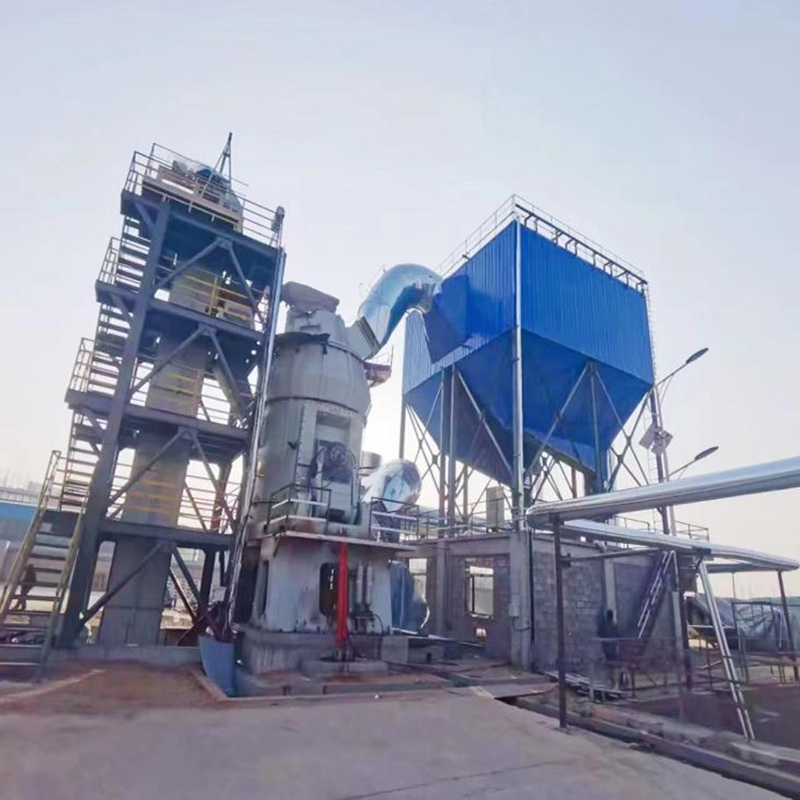
    Coal Mill System for Gas-to-Coal Retrofit Project of Lime Kiln

    Overview This coal pulverizing system is specially designed for the gas-to-coal retrofit project of 2×600 t/d hanging cylinder double-chamber lime kiln, capable of efficient and stable grinding of bituminous coal or blended coal. Key Technical Parameters Material: Bituminous coal / Blended coal Capacity: 28–30 t/h Fineness: 200 mesh, 90% passing rate Scope of Supply Complete coal mill system (equipment manufacturing and supply) Process design and general contracting of engineering Electrical automation control system Solution Advantages Adapted to fuel conversion of lime kilns with stable and reliable pulverizing performance Custom-designed for working conditions of gas-to-coal retrofit Stable output capacity and precise control of finished product fineness Application Industries Lime kiln, metallurgy, and industries taking lime kiln as core equipment (steel, non-ferrous metals, building materials, chemical industry, environmental protection, papermaking); also applicable to other industrial calcining kilns requiring conversion from gas firing to coal firing. Equipment Type: Vertical coal roller mill system
  • HVM2500X Vertical Roller Mill System HVM2500X Vertical Roller Mill System

    HVM2500X Vertical Roller Mill System

    Product Introduction The HVM2500X Vertical Mill System is specially designed by our company for bauxite ore grinding processes. Equipped with a complete electrical automation package, it enables highly stable, high-precision, and adjustable grinding operations.   Main Technical Parameters - Applicable Material: Bauxite ore - Capacity & Fineness Specifications:   - 200 mesh, 85% passing: ≥50 t/h   - 325 mesh, 90% passing: ≥25 t/h   Solution Advantages - A single system meets dual capacity and dual fineness production requirements - Stable operation with high production efficiency; average energy consumption reduced compared to traditional grinding equipment - Fully automated operation with online monitoring, enabling unattended on-site production   Applicable Industries - Bauxite processing - Refractory materials - Abrasives - Alumina preparation   Scope of Supply - Complete HVM2500X vertical mill equipment - Process design - Electrical automation system   Main components include: raw material precise proportioning, conveying and storage into silos, quantitative feeding, grinding and screening, fan dust collection, finished product separation, conveying and storage, non-standard ducting, lubrication and hydraulic systems, etc.   Company Advantages - Customized models to meet the specific needs of different customers - Turnkey one-stop service including engineering general contracting + complete equipment supply
  • Active Lime Production Line Active Lime Production Line

    Active Lime Production Line

    ★ Project Name: 1000TPD Active Lime Production Line ★ Project Scope: HVM1700X Vertical Mill for Quicklime and Auxiliary Equipment ★ Material Type: Limestone ★ Output: ≥22t/h ★ Product Fineness: 90% passing 200 mesh ★ Country of Use: Tỉnh Bà Rịa - Vũng Tàu  

Global Footprint

It is a national-level high-tech enterprise and technology-based enterprise specializing in powder industry technology and equipment R&D, manufacturing, sales and service.
Information

Latest news

  • 22t/h Pulverized Coal Preparation System for OBI Island Lime Kiln Project in Indonesia Successfully Commissioned

    22t/h Pulverized Coal Preparation System for OBI Island Lime Kiln Project in Indonesia Successfully Commissioned

    The main material type processed by our equipment is bituminous coal, with 85% passing through a 200-mesh screen. This system is designed to provide stable and efficient pulverized coal fuel for the lime kiln, playing a key role in the entire production process. The successful commissioning marks an important milestone for the project, demonstrating reliable technical execution and coordination under site conditions. The smooth operation of the system will help improve the production capacity and operational efficiency of the lime kiln plant on OBI Island.    

    Learn More
  • The Company Won The Contract For Coal And Quicklime Grinding Systems For The Drc Kolwezi 2×600t/D Lime Kiln Project

    The Company Won The Contract For Coal And Quicklime Grinding Systems For The Drc Kolwezi 2×600t/D Lime Kiln Project

    The Company has successfully secured the contract for the Coal Powder Preparation System and Quicklime Grinding System for the 2×600t/d Twin-shaft Lime Kiln Project in Kolwezi, Democratic Republic of Congo (DRC). The scope of work encompasses the engineering design and turnkey supply of equipment for one coal grinding system and one quicklime grinding system. This includes a 12t/h vertical coal mill system (product fineness: 90% passing 200 mesh) and a 3t/h quicklime grinding system (product fineness: 90% passing 200 mesh).

    Learn More
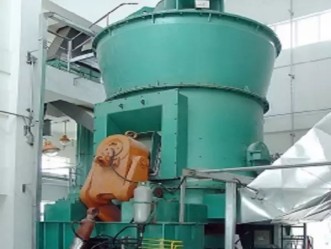
  • Contract Signing: Quicklime Grinding System for Vietnam Client's 600t/d Twin-shaft Lime Kiln Project

    Contract Signing: Quicklime Grinding System for Vietnam Client's 600t/d Twin-shaft Lime Kiln Project

    The Company Secures Contract for Quicklime Grinding System for Pomina's 600t/d Twin-shaft Lime Kiln Project in Vietnam The Company has successfully signed a contract with Pomina (Vietnam) for the supply of a Quicklime Grinding System for their 600t/d twin-shaft lime kiln project. The scope of work includes the engineering design and complete equipment supply for one (1) set of 3t/h quicklime grinding system (product fineness: 90% passing 200 mesh). As a technical renovation project located overseas, this project demanded exceptionally high standards in both engineering design and equipment manufacturing. Among numerous competing bidders, our company stood out with our scientific, rational, and professional engineering design, combined with our proven product quality, ultimately winning the client's trust and the contract award. This achievement marks a significant and encouraging milestone in the Company's journey toward international market expansion.

    Learn More
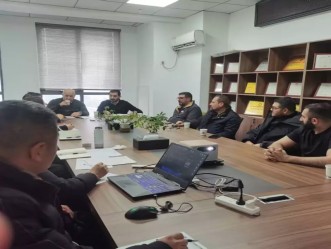
  • A Delegation of Iraqi Clients Visited Our Company for a Field Inspection

    A Delegation of Iraqi Clients Visited Our Company for a Field Inspection

    Recently, a seven-person delegation from an Iraqi company visited our company to conduct technical exchanges and inspect the equipment supply status for the signed natural gypsum vertical mill project. During the meeting, our technical team provided a detailed introduction to the structure and working principle of the vertical mill. Focusing on the customer's concerns regarding product fineness and capacity matching, we elaborated on this topic by drawing on our extensive industry experience and rich track record. Subsequently, using flowcharts and project drawings, we systematically explained the complete process flow from material inlet to outlet. The team addressed the customer's inquiries about warranty, after-sales service, and replacement cycles of wear parts, providing actual operational data from previous projects as reference. Additionally, we introduced the selection and branding of key components. After the meeting, both parties visited the production workshop together to inspect the progress of equipment manufacturing. This exchange enhanced mutual understanding and trust, laying a solid foundation for the smooth progress of the project.

    Learn More

Want to talk? Reach out to our experts

Contact Us

leave a message

leave a message
If you are interested in our products and want to know more details,please leave a message here,we will reply you as soon as we can.
submit
Contact us:hckj@hfvrm.com

Home

Products

WhatsApp

contact