Pneumatic Conveying Jet Pump: Working Principle, Benefits and Typical Applications
Nov 03, 2026
Pneumatic Conveying Jet Pump: Working Principle, Benefits and Typical Applications
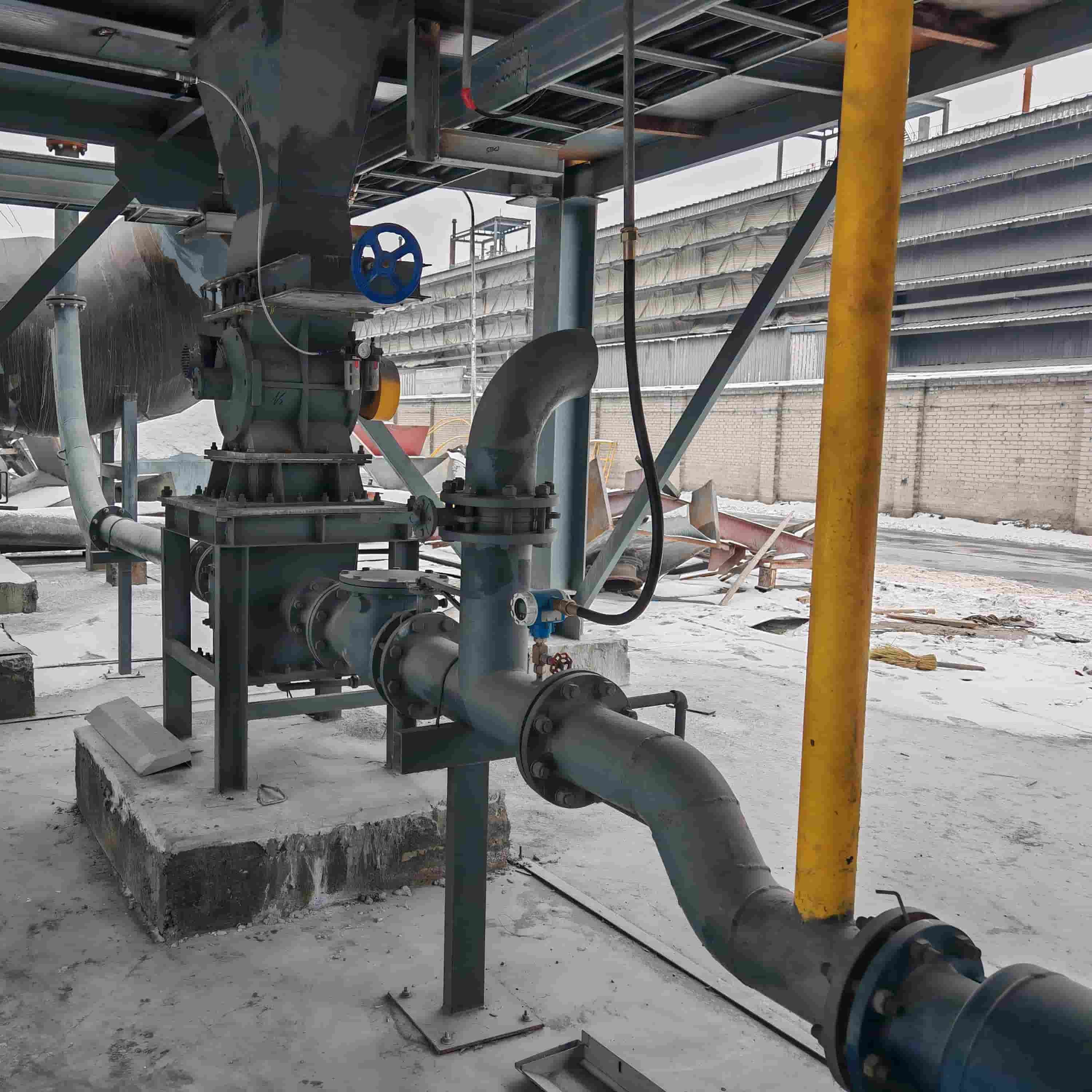
A pneumatic conveying jet pump, also known as a pneumatic ejector or jet ejector, is a core dilute-phase powder transfer device powered by compressed air. With no internal moving parts, it reliably conveys fine bulk powders such as graphite powder, gypsum, cement and fly ash in a fully sealed pipeline with minimal maintenance.
What Is a Pneumatic Conveying Jet Pump?
The HCPJP® Jet Pump is a low-pressure, dilute phase, continuous positive-pressure conveying device. It typically uses a Roots blower as the conveying power source, with an air supply pressure generally not exceeding 100 kPa. During conveying, the solid-to-gas ratio typically ranges from 5 to 15 kg/kg.
How Does a Pneumatic Conveying Jet Pump Work?
Material enters the jet pump chamber. When the gas source is ejected at high speed through the nozzle, the resulting high-velocity flow creates a negative pressure inside the chamber, allowing the material within the pump to mix readily with the high-speed gas stream. The mixture is then discharged through the venturi tube, where the kinetic energy of the high-velocity gas flow is converted into static pressure energy, thereby conveying the powdered and granular materials through the conveying pipeline to the destination.
Key Advantages of Pneumatic Conveying Jet Pump
The entire jet pump body has no moving parts, relying entirely on the Venturi tube structure to achieve jet conveying, thus ensuring long-term, reliable operation.
✅ No moving parts: No jamming, less wear, fewer spare parts replacement, long service life
✅ Fully enclosed, dust-free conveying: Reduces powder leakage and workplace dust hazards
✅ Simple structure & compact layout: Easy to retrofit into existing silo feeding systems
✅ Suitable for abrasive powder: Works well for fly ash, alumina, graphite, lime and gypsum powder
✅ Explosion-safe design: Compatible with ATEX / explosion-proof powder processing workshops
✅ Continuous feeding: Stable dilute-phase transfer for 24-hour continuous operation
✅ Low installation and operation cost, easy to control air flow and feed rate
What Materials and Industries Use Pneumatic Conveying Ejectors?
This pneumatic ejector pump is a popular solution for powder bulk handling across these sectors:
Building materials: cement powder, gypsum powder, hydrated lime
Power plant: fly ash, bottom ash
Metallurgy & carbon industry: graphite powder, carbon powder, alumina powder
Chemical industry: mineral fillers, pigment powder, fine chemical powders
Mining & mineral processing: fine ore powder, silica powder
It fits your graphite electrode factory project perfectly for graphite powder feeding and conveying.
Pneumatic Jet Pump vs Rotary Airlock: Which Is Better?
Many procurement engineers compare pneumatic conveying jet pumps with rotary airlock valves for powder feeding.
Jet ejector: No moving parts, better for abrasive powder, lower maintenance; mainly for dilute phase conveying
Rotary airlock: Has rotating vanes and bearings, higher risk of wear and blockage on sharp abrasive powder; widely used as discharge feeder
If your material is abrasive, or you need explosion-proof, low-maintenance continuous transfer, the pneumatic ejector jet pump is usually the preferred option.FAQ
Is a pneumatic conveying jet pump the same as a pneumatic ejector?
Yes. Pneumatic conveying jet pump and pneumatic ejector / jet ejector are common interchangeable names for this Venturi powder transfer equipment.
Can jet pumps convey dense phase powder?
Most standard jet ejectors are designed for dilute phase pneumatic conveying. For high concentration dense-phase transfer, other silo pumps are more suitable.
Does a pneumatic jet pump need frequent maintenance?
No. Because there are no moving parts inside the pump body. Regular inspection of the nozzle and wear liner is the main routine maintenance work.
Can the jet pump handle graphite powder?
Yes. Our wear-resistant pneumatic conveying jet pump is widely used for graphite powder feeding in graphite electrode manufacturing plants.
Final Summary
The pneumatic conveying jet pump (pneumatic ejector) remains a reliable, cost-effective dilute-phase powder conveying solution for cement, gypsum, fly ash and graphite powder processing. Its biggest selling point — no moving parts — helps factories cut downtime and maintenance costs, especially for abrasive bulk solids.
If you need a custom-engineered pneumatic ejector for your powder conveying project, send over your material data and required conveying capacity. Our engineering team can offer technical drawing and quotation support.