
Maximizing Limestone Grinding Efficiency: The Vertical Roller Mill Advantage
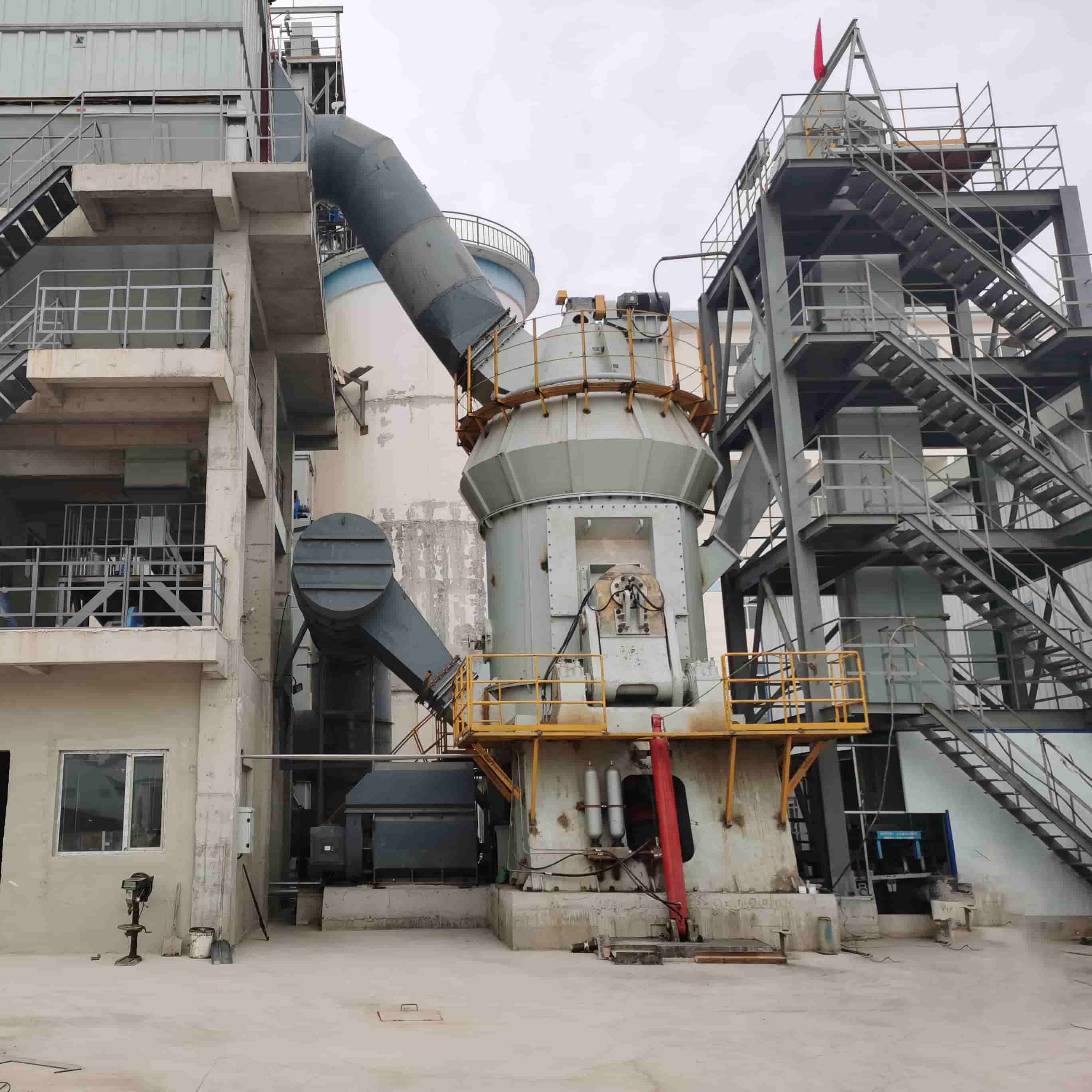
In modern industrial processing, from cement production and construction materials to flue gas desulfurization in power plants, the demand for high-quality limestone powder continues to grow. Achieving high-capacity production while maintaining precise particle size control and energy efficiency presents a significant challenge for processors worldwide. Among the various grinding technologies available, the vertical roller mill (VRM) has emerged as a superior solution, particularly for large-scale limestone processing. Hefei Hengcheng's vertical mill stands out as a leader among them.
The Limestone Grinding Challenge
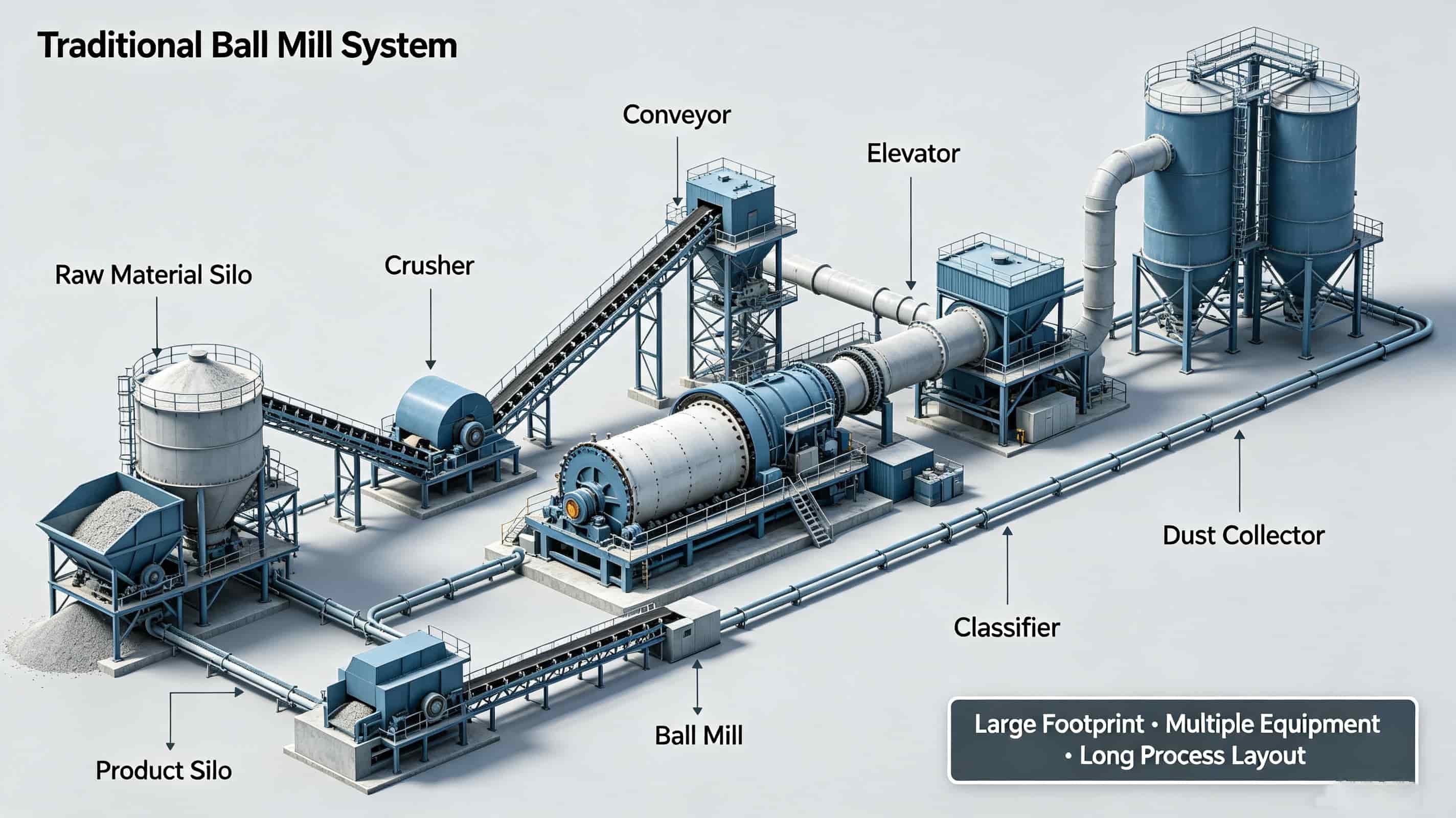
Limestone, primarily composed of calcium carbonate, is a relatively soft but abrasive material. Traditional grinding systems, such as ball mills, often struggle with the dual objectives of high throughput and low operational cost. They can be energy-intensive, have large physical footprints, and require multiple stages of combines grinding, drying, and classification in one machine.
The goal for modern plants is to consolidate these processes into a single, efficient unit that can handle feed sizes up to 50mm and deliver a consistent product ranging from coarse fillers to ultra-fine powders for specialized applications
The vertical mill features a simple, compact process with integrated classifier—no extra equipment needed. It has fewer failure points, is easy to operate, and allows flexible, outdoor-ready layouts. Floor space is about 70% of a ball mill system, and building volume is only 50–60%.
Key Advantages for High Capacity:
Integrated Drying – Hot gas dries feed materials with up to 10-15% moisture, eliminating the need for a separate dryer.
Internal Classification – Pneumatic conveying to an integrated dynamic classifier; coarse particles return to the table, fines pass through – closed-loop system ensures consistent quality and maximizes output.
Compact Layout – Vertical design integrates multiple functions, saving floor space, reducing civil costs, and simplifying material handling.
Lower Energy Use – Consumes 30-50% less energy than ball mill systems – a critical advantage for high-capacity operations where energy costs dominate.
Understanding the Key Components and Working Principle
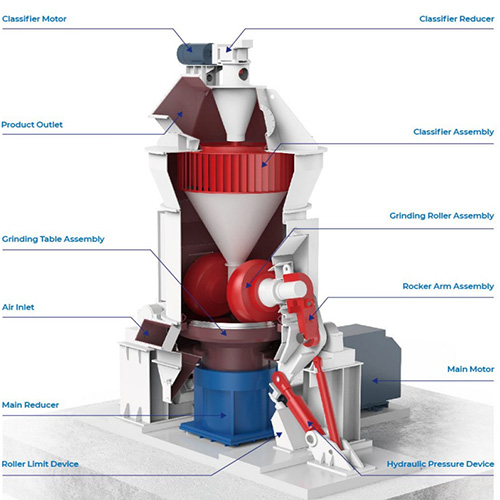
To appreciate why VRMs are so efficient, it helps to understand their key components:
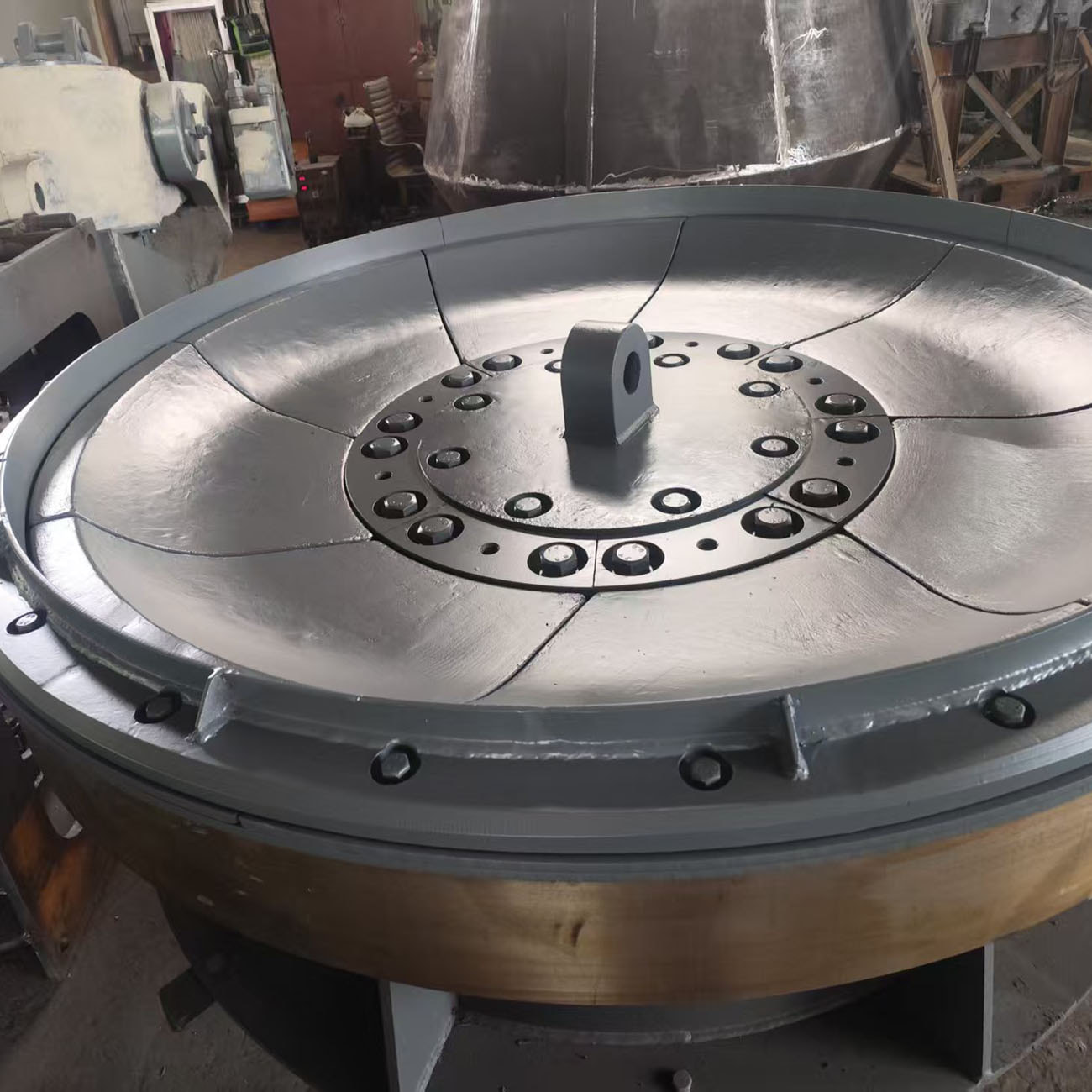
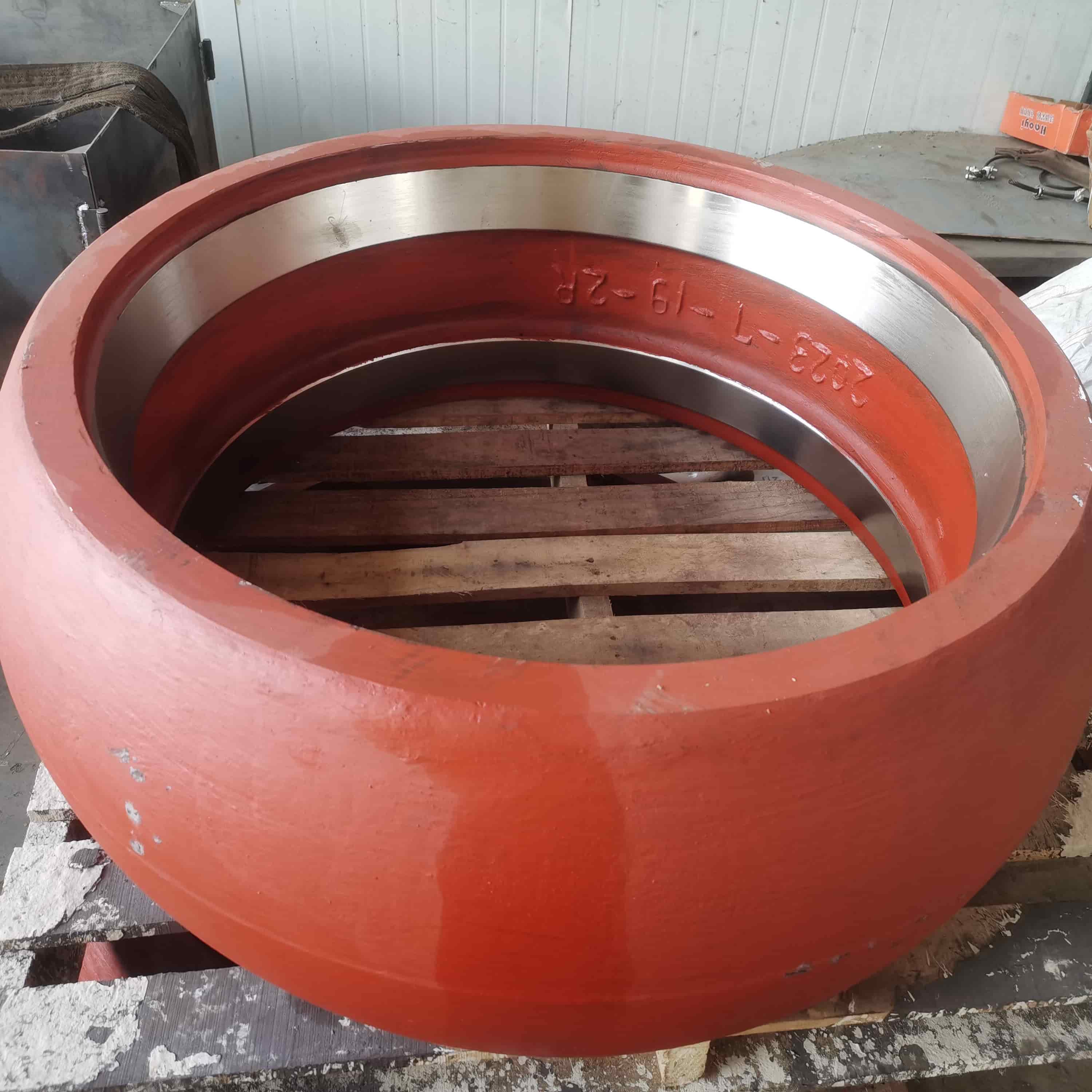
Grinding Table and Rollers: The heart of the VRM system consists of a rotating grinding table and multiple grinding rollers that apply pressure to the material. The material bed acts as a stress-transmitting medium, distributing the grinding forces evenly and protecting the grinding elements from metal-to-metal contact .
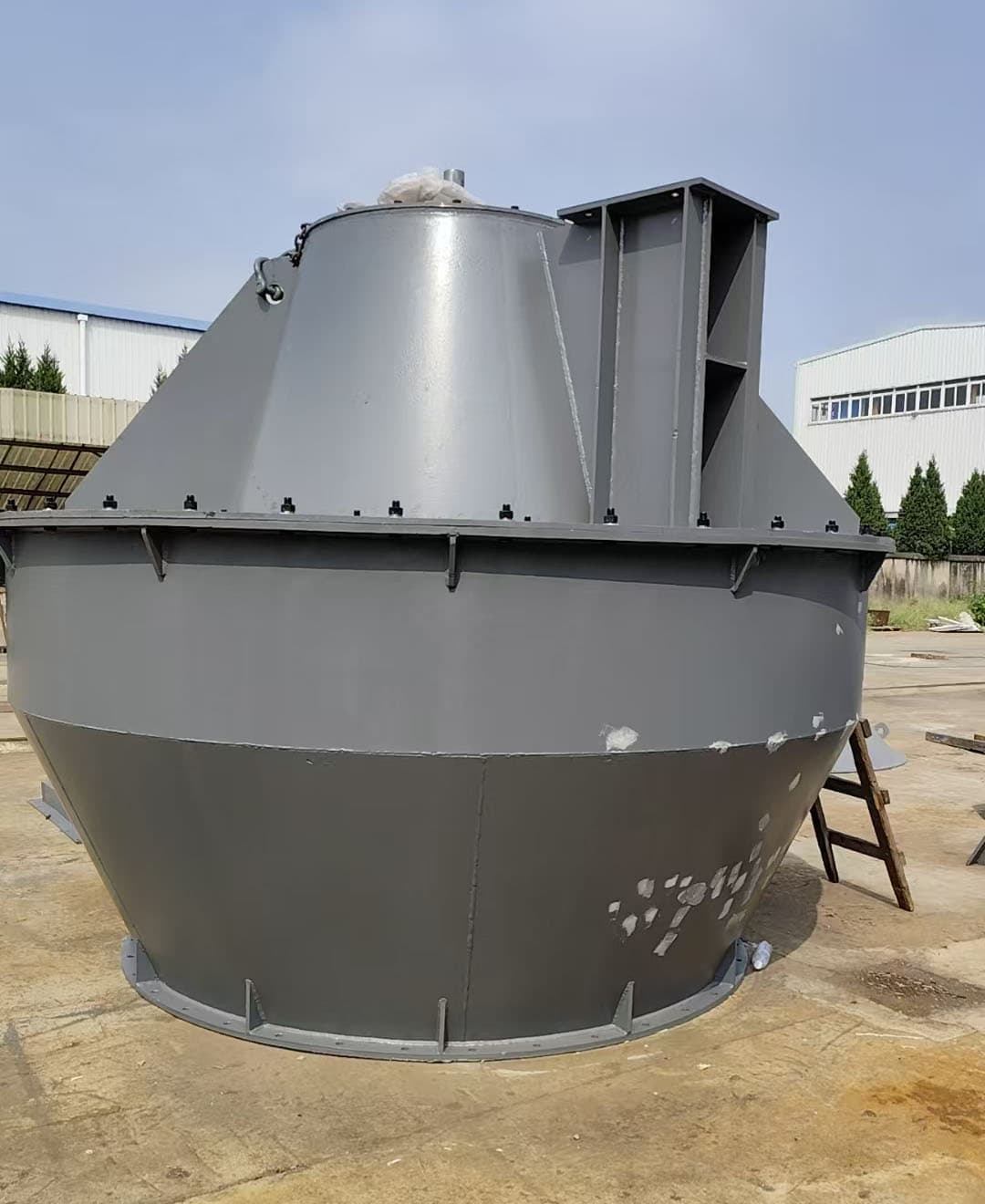
Classification System: Located above the grinding zone, the dynamic classifier determines the final product fineness. By adjusting the classifier rotor speed, operators can precisely control the product fineness without changing other mill parameters
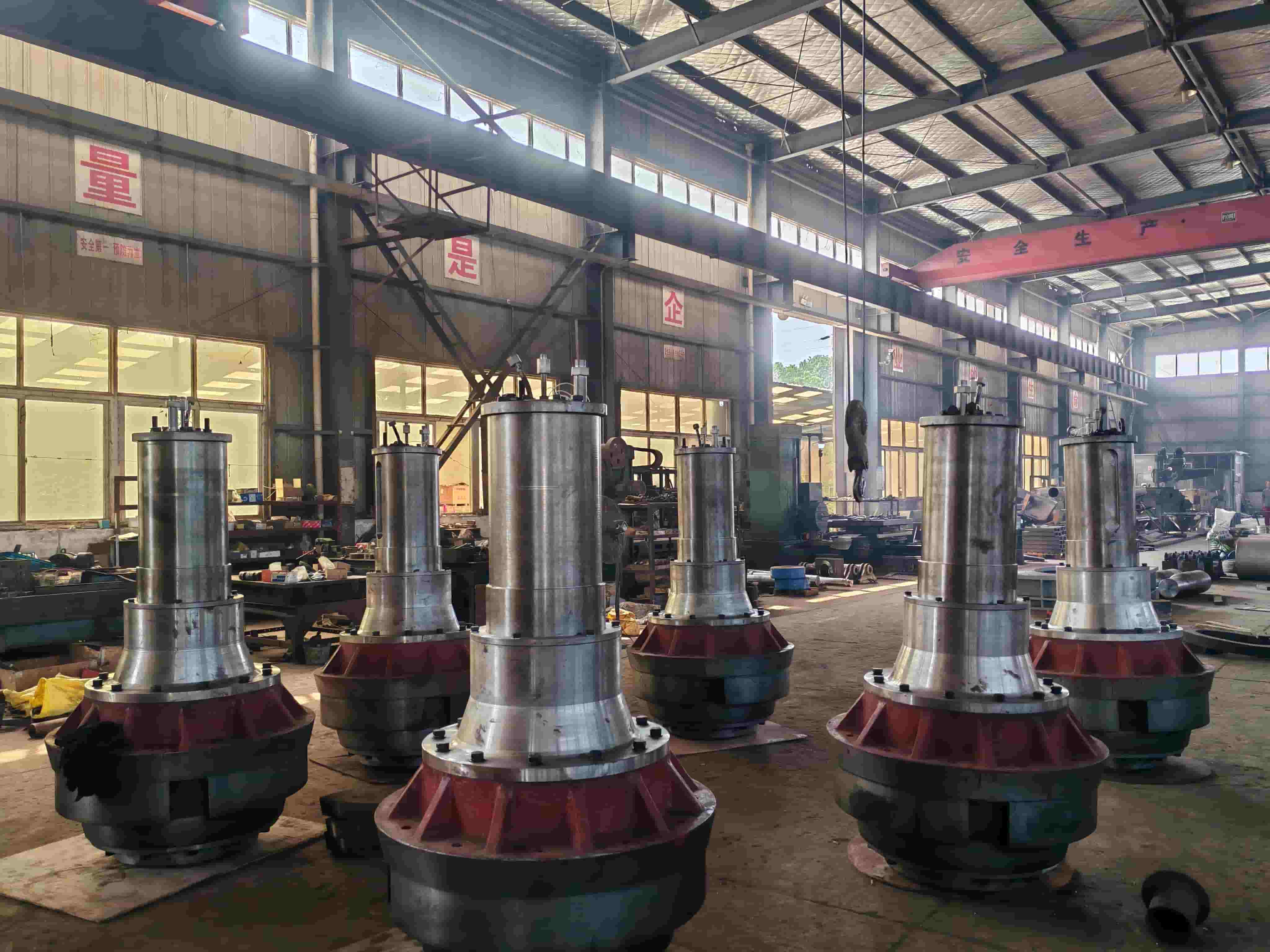
Drive and Transmission System: The main drive system typically consists of an electric motor connected to the grinding table through a planetary gearbox, providing the high torque required for grinding operations
Application scope of vertical roller mill
Cement Production :Raw material grinding, limestone preparation for clinker production
Power Generation: Desulfurization limestone powder (typically 250-325 mesh) for flue gas desulfurization
Calcium Carbonate Processing: Fine and ultra-fine GCC powder for plastics, rubber, coatings, and paper
Construction Materials: Limestone powder for mortar, dry-mix, and asphalt fillers
Grinding Pressure: Optimal roller pressure is critical. Too low reduces throughput and increases recirculation; too high causes excessive vibration and wear.
Classifier Speed: The rotational speed of the integrated dynamic classifier is the primary control for product fineness. Higher speed yields finer product but may reduce mill capacity.
Feed Rate and Stability: A consistent, well-metered feed of limestone is essential. Fluctuations can cause instability, reducing efficiency and capacity.
Gas Flow and Temperature: Adequate air flow is necessary for material transport and drying.
Conclusion
The transition to vertical roller mill technology represents a strategic upgrade for limestone processing plants aiming for high-capacity output. The integrated, efficient, and compact design directly translates to lower capital and operational expenditures, higher product consistency, and greater operational flexibility .
leave a message
Wechat :


Whatsapp :

Home
Products
contact