
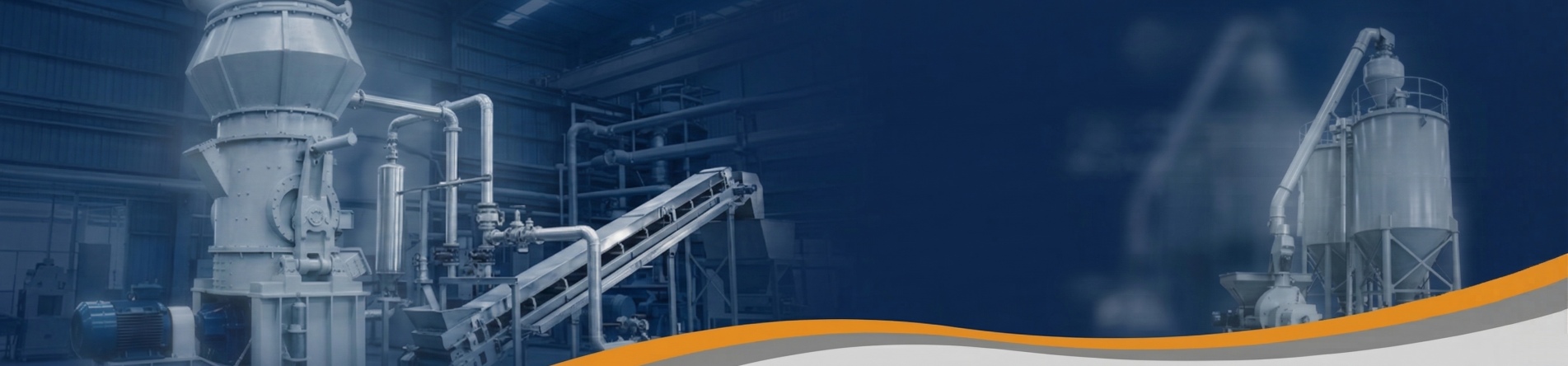
The Green Revolution in Construction: Why Slag Vertical Roller Mills Are the Future of Sustainable Building
In the race toward carbon-neutral construction, one technology is quietly transforming the industry: the slag vertical roller mill (VRM). As the world grapples with cement's staggering 8% contribution to global CO₂ emissions, engineers are turning to this innovative grinding solution that processes industrial by-products into high-performance building materials—and the results are remarkable.
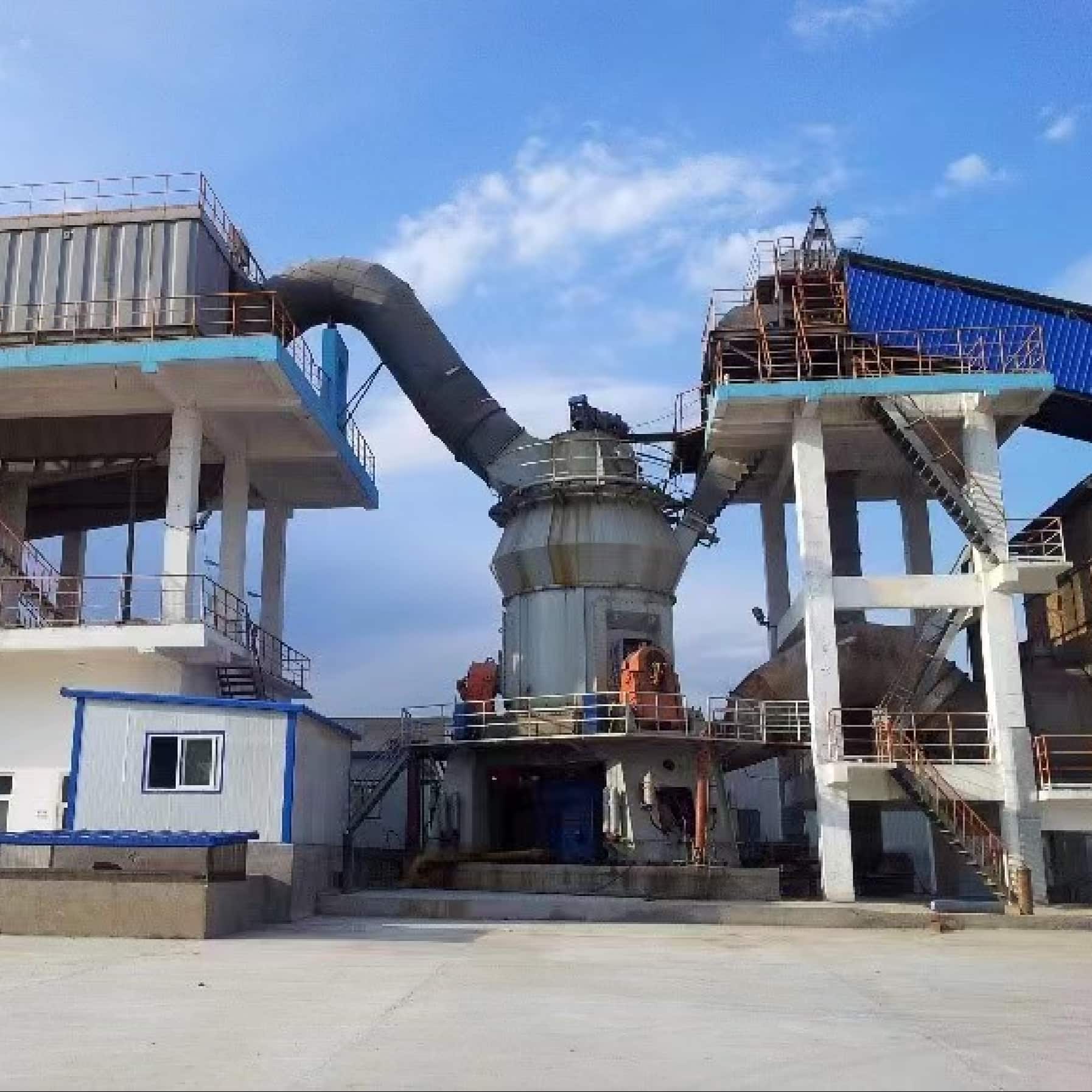
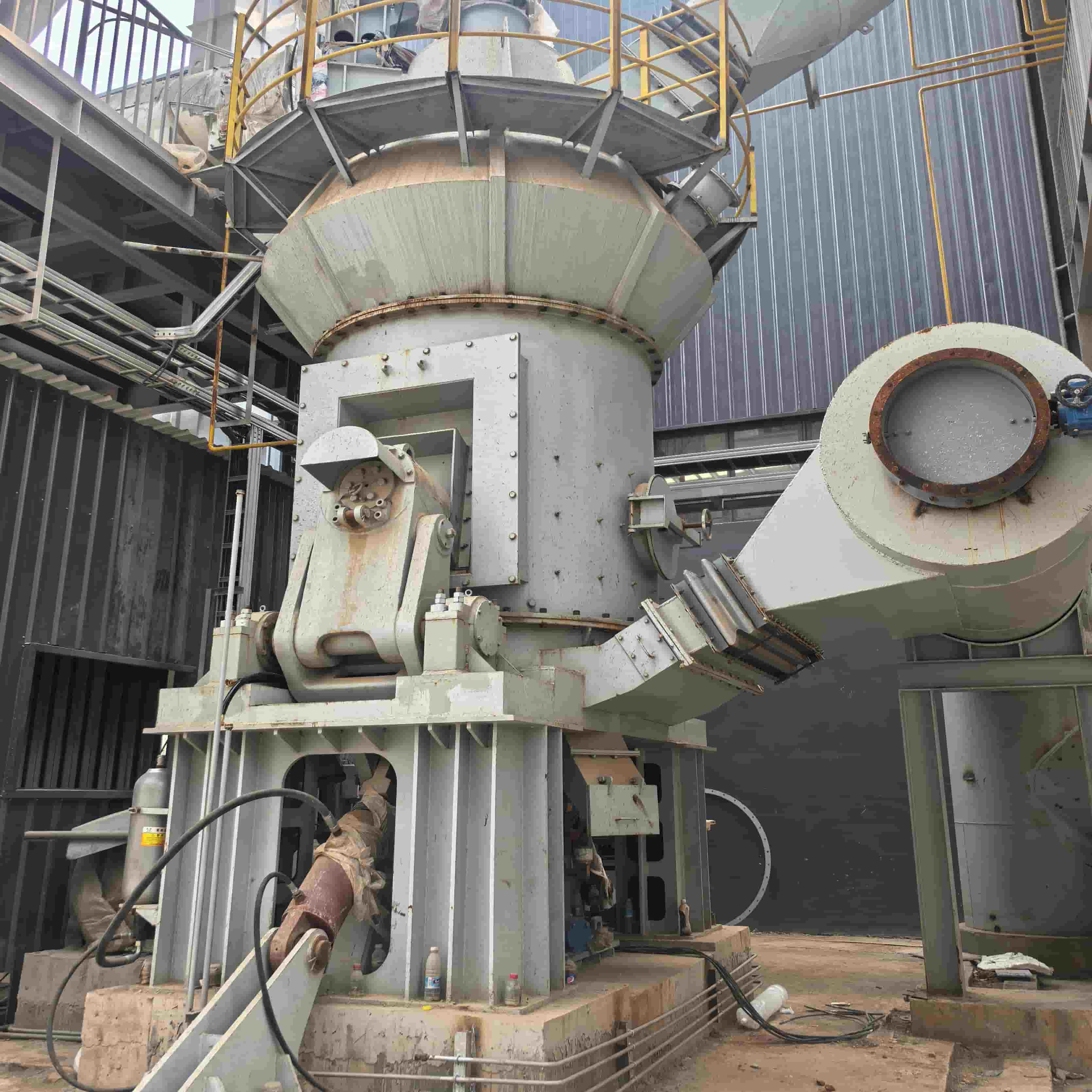
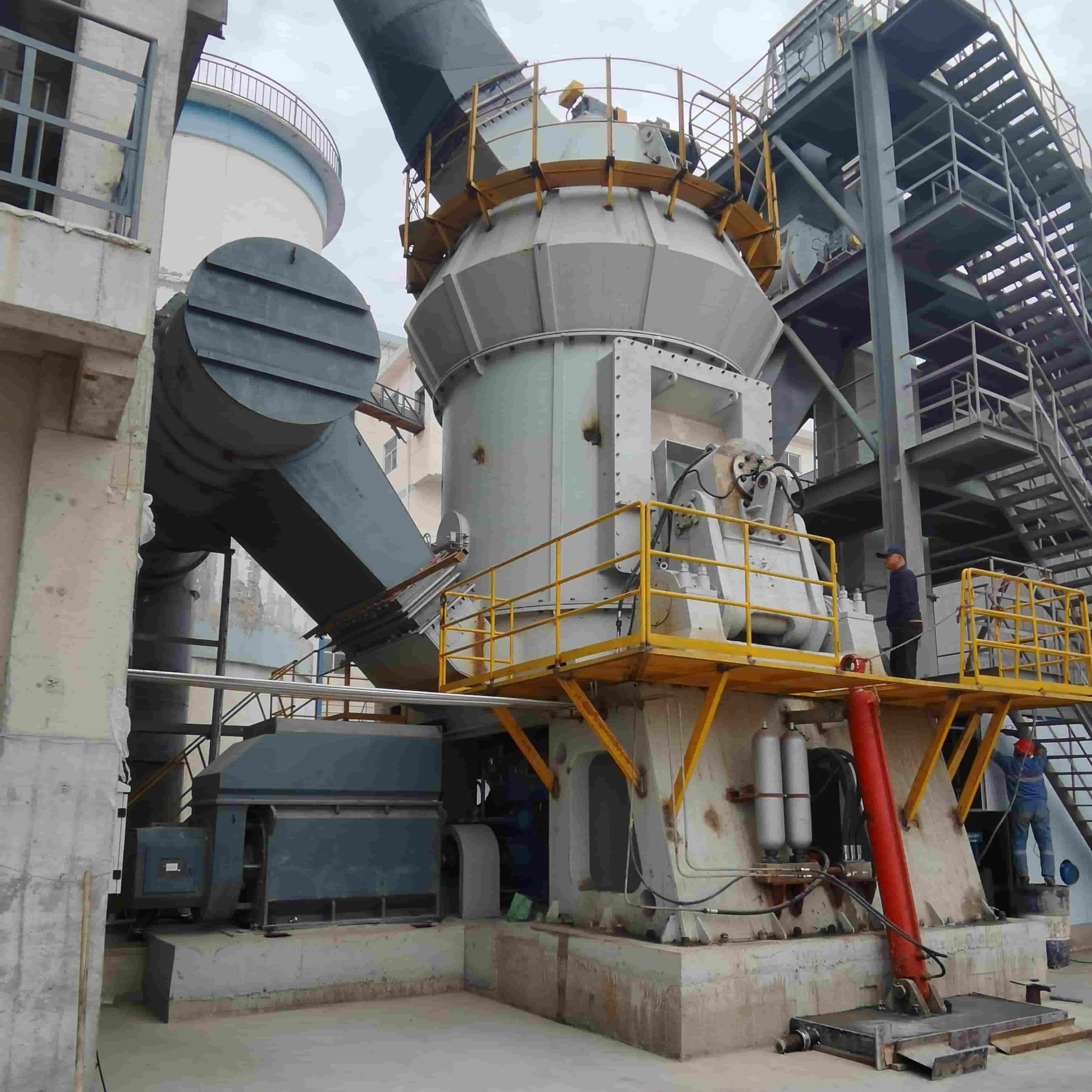
Every year, the steel industry generates millions of tons of slag, traditionally destined for landfills. However, when finely ground to a specific surface area of 400–600 m²/kg, this "waste" transforms into Ground Granulated Blast Furnace Slag (GGBFS)—a premium cement additive that can replace up to 50% of clinker in cement production.
The magic happens inside the vertical roller mill. Unlike traditional ball mills that rely on energy-intensive impact and attrition, VRMs use a material bed grinding principle: hydraulically-pressed rollers crush slag particles against a rotating table, achieving 30–50% energy savings while producing a more consistent, reactive powder.
The economics are compelling. Modern slag vertical mills consume just 35–45 kWh per ton of product—a 30–50% reduction compared to ball mill systems. With drying, grinding, and classification integrated into a single unit, plant footprints shrink by 50%, and noise levels drop from 100+ dB to below 80 dB.
Perhaps most significantly, recent engineering practices demonstrate that using VRM technology can reduce clinker consumption by 10–15%, cutting CO₂ emissions by approximately 80 kg per ton of cement produced. For a 1-million-ton cement plant, that translates to 80,000 fewer tons of CO₂ annually—equivalent to removing 17,000 cars from the road.
In one industry case study, a TRMS 45 slag vertical mill achieved stable production of 55 tons per hour of ultra-fine slag powder with a specific surface area exceeding 420 m²/kg, while maintaining system power consumption at just 60 kWh/t. This level of fineness unlocks superior reactivity in concrete, enhancing compressive, tensile, and flexural strengths.
The Bottom Line
For construction materials producers, the slag vertical roller mill is not just an equipment upgrade—it's a strategic investment in sustainability and profitability. The technology is mature, proven, and ready to scale. In a world demanding greener building solutions, VRM technology is answering the call, one ton of slag at a time.
leave a message
Wechat :


Whatsapp :

Home
Products
contact