Why Bentonite Producers Are Switching to Vertical Roller Mills
Jul 27, 2026
Bentonite is a versatile mineral used in drilling fluids, foundry sand binders, iron ore pelletizing, and even cosmetics. But processing it efficiently has always been a challenge—especially when using traditional equipment like Raymond mills or ball mills. Here’s why more bentonite producers are making the switch to vertical roller mills.
The Problem with Traditional Mills
Bentonite raw ore often comes with high moisture content (15–35%) and requires fine grinding—typically 200 mesh or finer. Raymond mills struggle with these conditions. They suffer from:
Low single-machine output
High wear and maintenance costs
Dust leakage and poor working conditions
Low automation levels
For large-scale producers, these limitations directly impact profitability.
pic: Frame of Raymond Mill
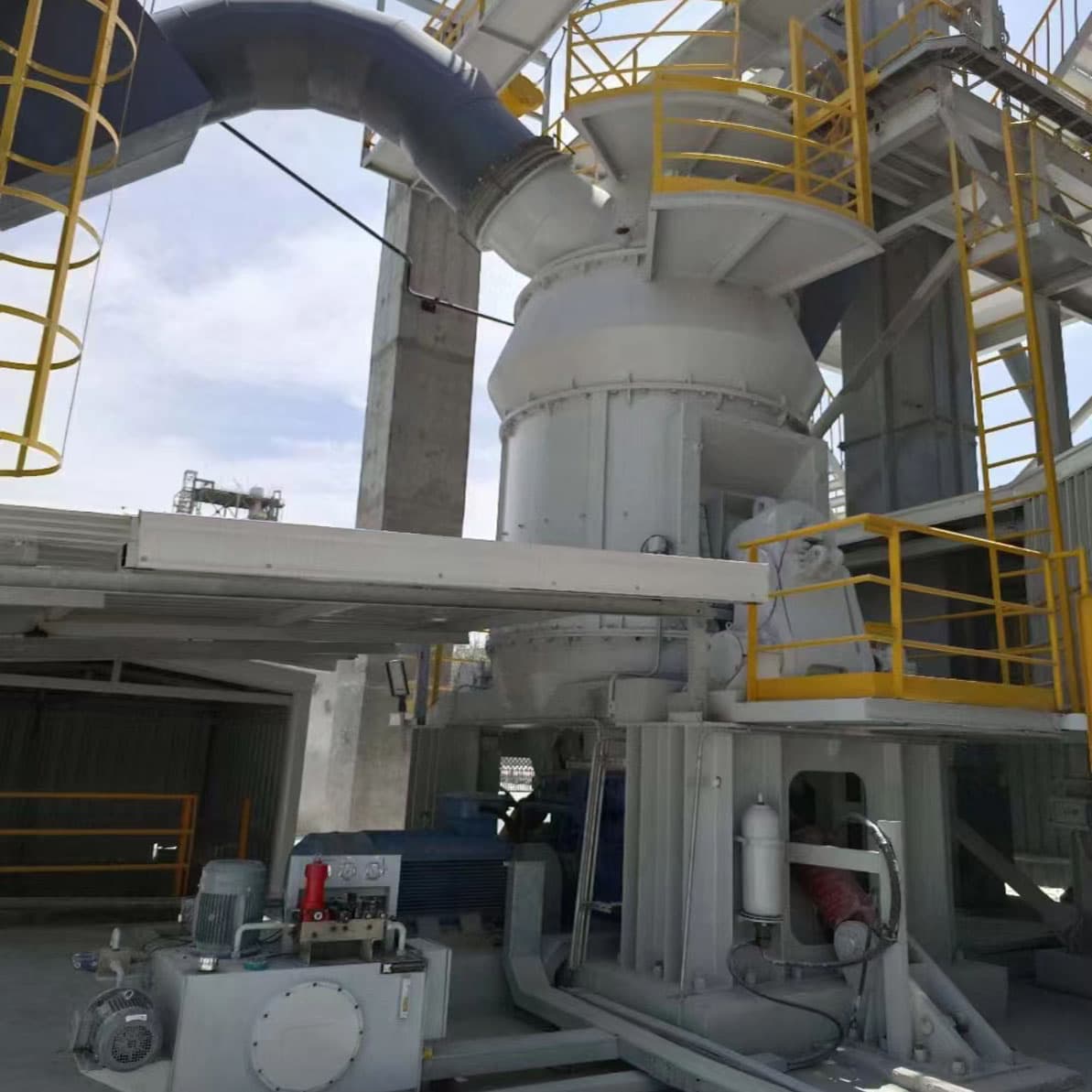
The HCHVM Vertical Roller Mill Advantage
Vertical roller mills address all these pain points.
1. Integrated Drying and Grinding
Bentonite's high moisture is no longer a bottleneck. VRMs introduce hot gas directly into the grinding chamber, simultaneously drying and grinding the material in one step. This eliminates the need for a separate pre-dryer—saving both equipment costs and floor space.
2. Higher Efficiency & Lower Power Expense
Adopting material bed extrusion grinding,industrial slag grinding vertical roller mill are far more energy-saving than impact-type ball mills, delivering 30%–50% power reduction. Practical application data proves bentonite manufacturers can slash power expenditure by 3.3$ per ton with VRMs.
3. HFVRM Precise Fineness Control
Bentonite applications demand consistent particle size—whether it's 200 mesh for drilling mud or 1500 mesh for high-end coatings. Modern VRMs are equipped with dynamic classifiers that allow real-time fineness adjustment without stopping production. Output ranges typically span 100–2500 mesh depending on the model.
4. Lower Wear and Maintenance
The grinding bed itself provides a cushioning effect, reducing direct contact wear between rollers and the grinding table. Wear parts are made from high-chromium or composite alloys, delivering extended service life—2–5 years for non-metallic mineral applications.
5. Cleaner, Quieter Operation
HFVRM VRMs operate under negative pressure with pulse-jet dust collectors, keeping emissions below strict environmental standards. Noise levels are also significantly lower than traditional mills—roughly 15 dB quieter than Raymond mills.
Real-World Results
Data from operating bentonite VRM lines confirms the benefits: One plant producing 325-mesh bentonite achieved daily output exceeding 300 tons, with monthly electricity savings of nearly USD 8000. A 200-mesh bentonite line with 98% passing rate achieved 35% lower energy consumption than a traditional Raymond mill setup.
Annual production capacity for a single VRM line can exceed 150,000 tons.
For bentonite producers looking to scale up, reduce operating costs, and meet stricter environmental standards, vertical roller mills are no longer a luxury—they're a competitive necessity. The technology has matured, proven itself in real-world applications, and is increasingly the go-to choice for new and expanded bentonite processing lines.
Interested in upgrading your bentonite grinding line? Contact us for a customized solution and feasibility analysis.
Contact Us or through the WhatsApp