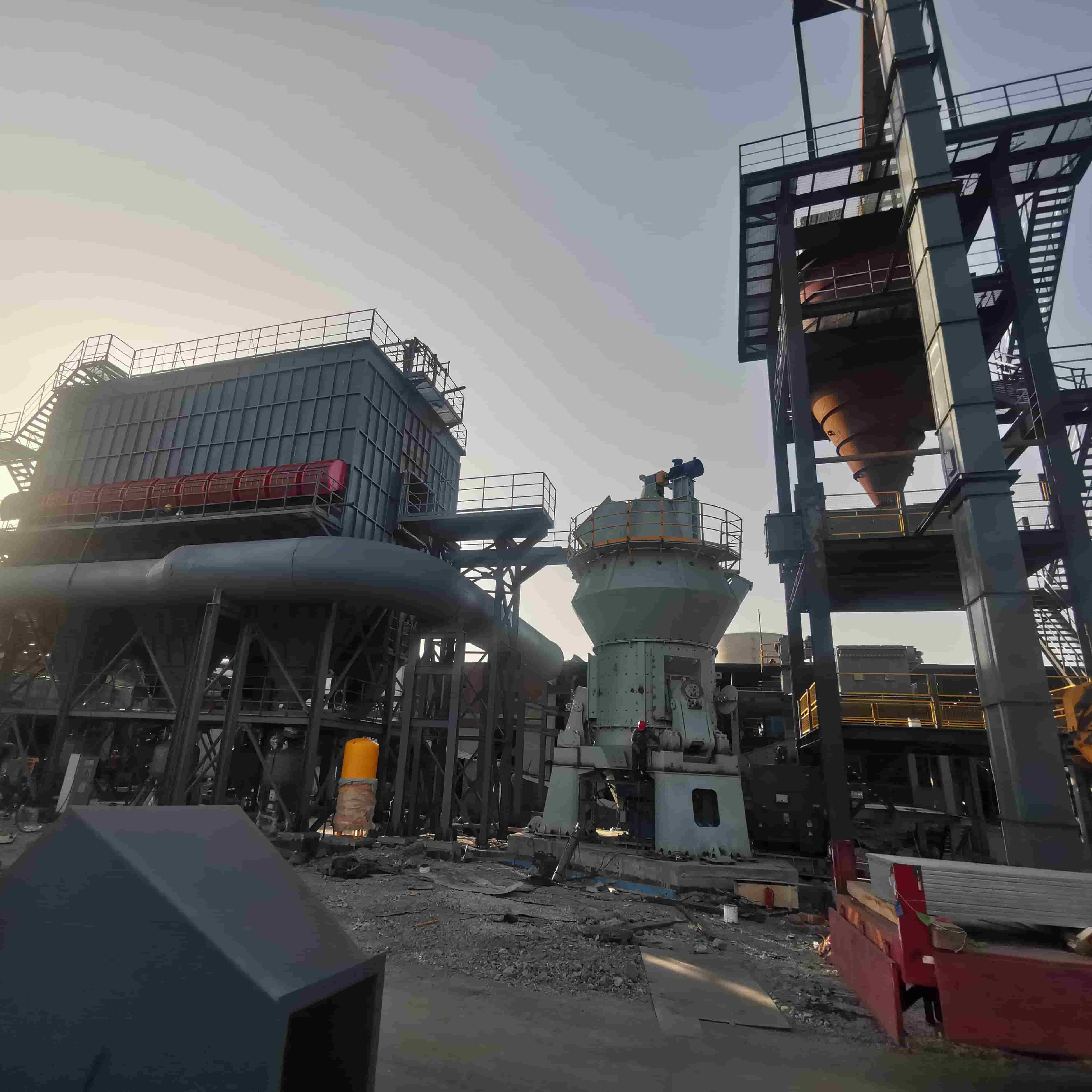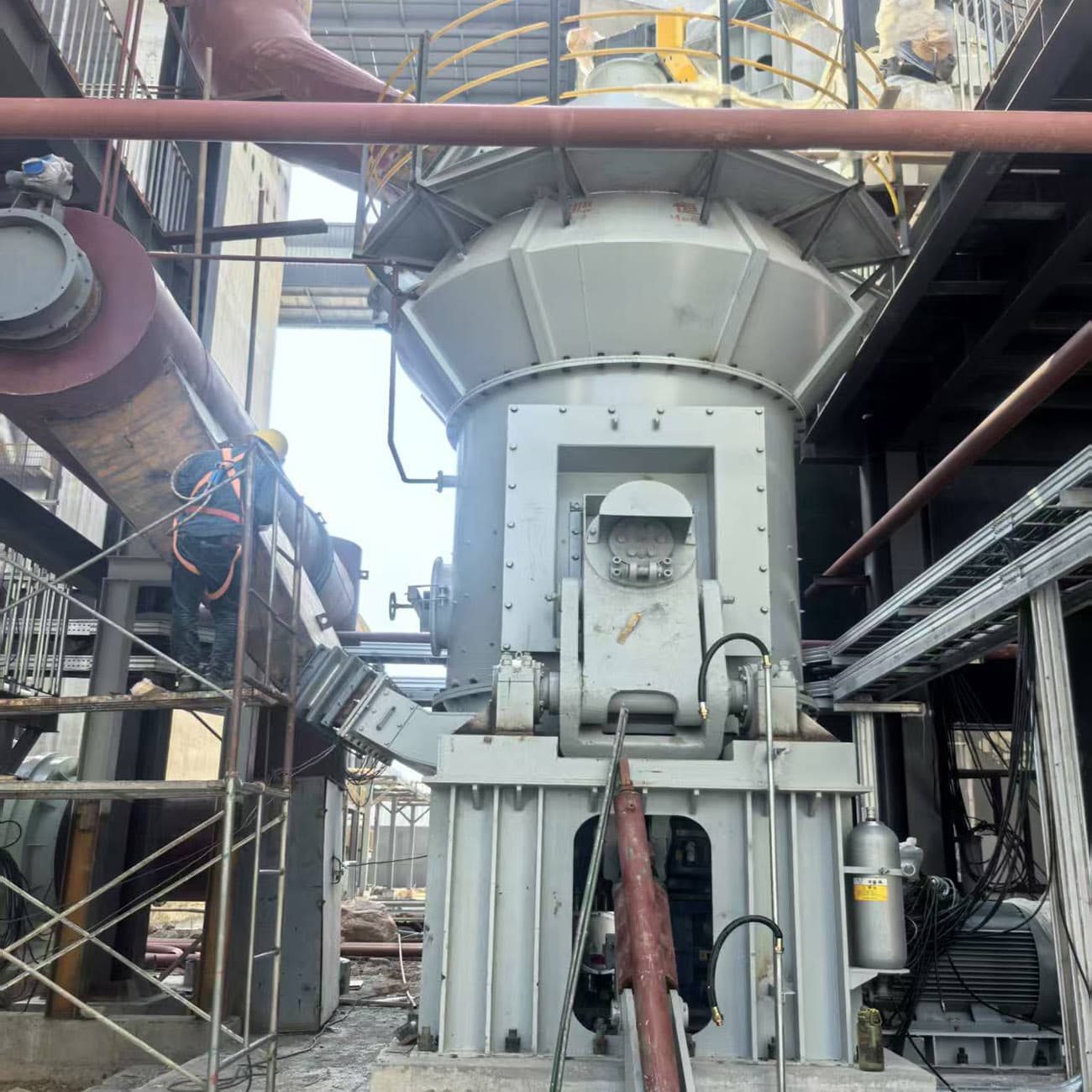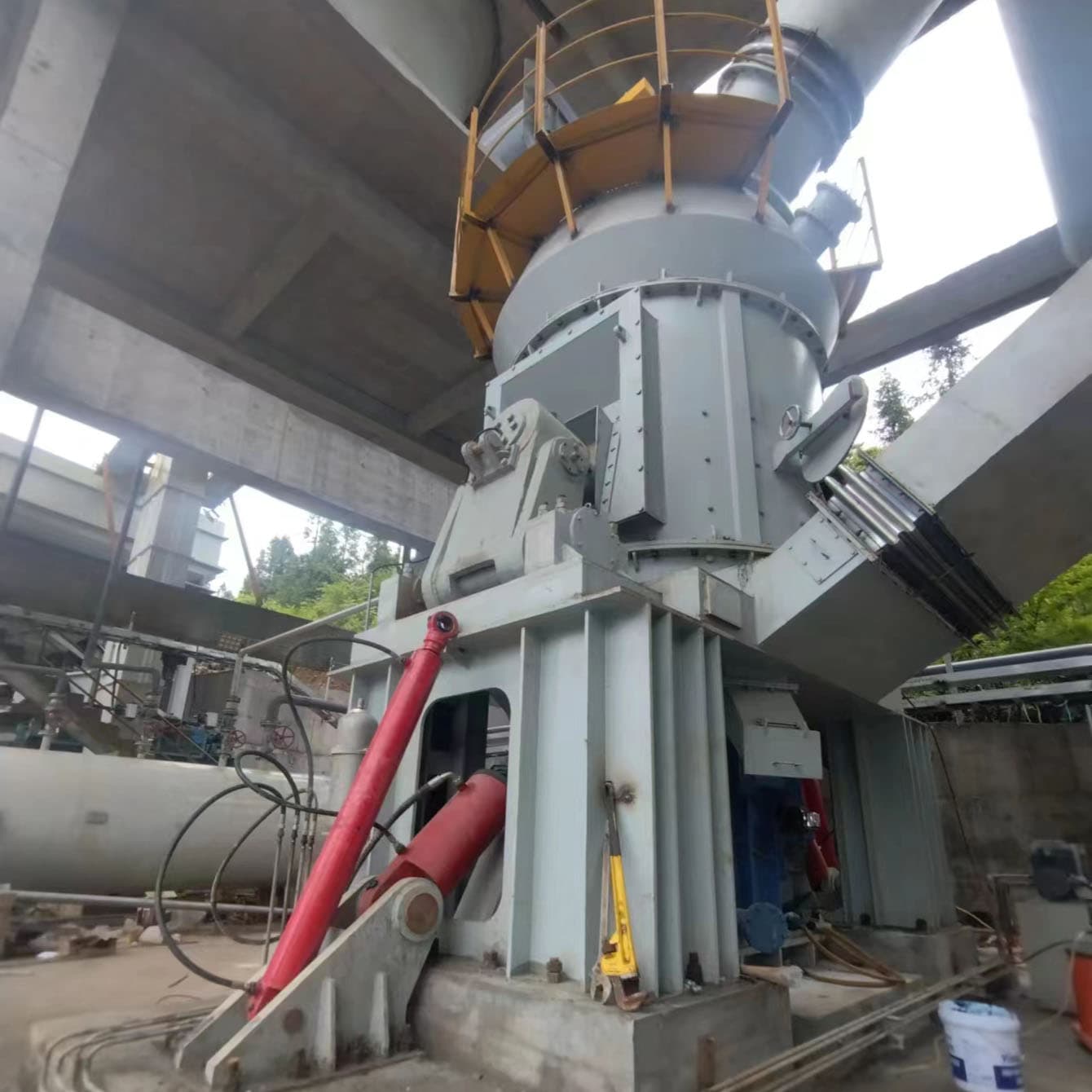
Item No :
Kaolin Vertical Roller MillOrder(MOQ) :
1Payment :
NegotiationProduct Origin :
Hefei,ChinaColor :
CustomizeShipping Port :
NegotiationLead Time :
NegotiationWeight :
Based on actual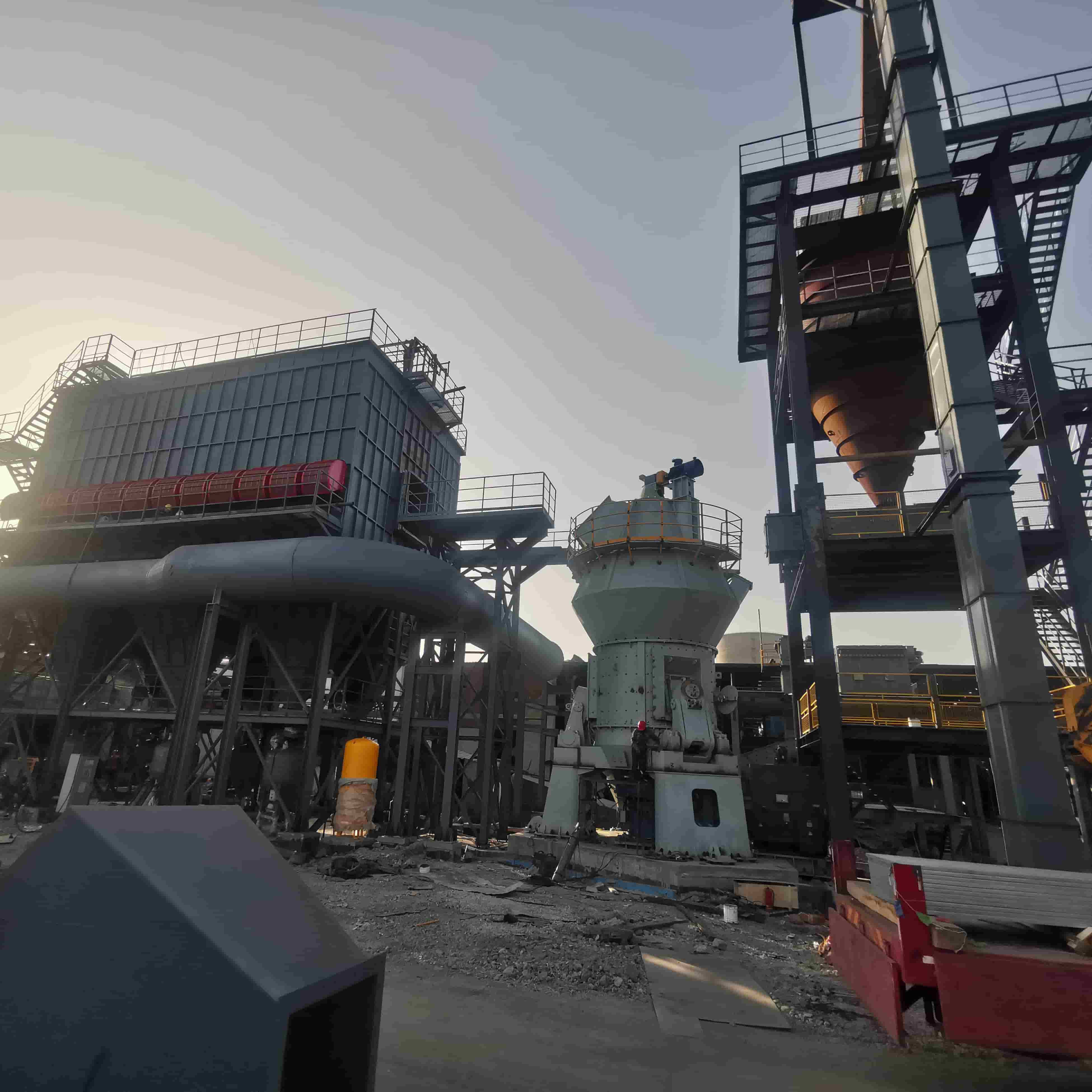
Key Features for Kaolin Processing
1. Tailored for Coal Measure Kaolin
Specially optimized roller & liner profile for abrasive coal measure kaolin. Hydraulic loading stabilizes grinding pressure to adapt to fluctuating feed size of raw/calcined kaolin.
2. Tight Particle Size Distribution
Built-in dynamic classifier adjusts fineness online. Multi-rotor design ensures stable D97 for paper coating, ceramic glaze and other strict-granularity scenarios.
3. Low Wear & Maintenance
High-chromium alloy rollers and liners; reversible rollers prolong service life. Spare part cost ~40% lower than ordinary vertical mills.
4. Fully Sealed Negative Pressure
Equipped with pulse bag filter, dust emission<20 mg/m³. Complies with environmental standards and satisfies high-cleanliness needs for paper filler, pharmaceutical kaolin.
Technical Specifications
|
Model specification |
HVM800X |
HVM1250X |
HVM1300X |
HVM1500X |
HVM1700X |
HVM1900X |
HVM2400X |
HVM2800X |
|
|
Capacity |
1~3 t/h |
2~7 t/h |
3~10 t/h |
4~15 t/h |
6~22 t/h |
7.5~25 t/h |
9~38 t/h |
11~45 t/h |
|
|
Grinding material moisture |
≤5% |
||||||||
|
Product fineness |
(10~40um)97% |
||||||||
|
Product moisture |
≤1% |
||||||||
|
Main Motor Power |
55 kW |
132 kW |
180 kW |
250 kW |
355/400 kW |
450 kW |
560/630 kW |
710 kW |
|
|
Description |
Note: 1. The above technical indicators are based on materials with Mohs hardness of 3~4. |
||||||||
Working Principle
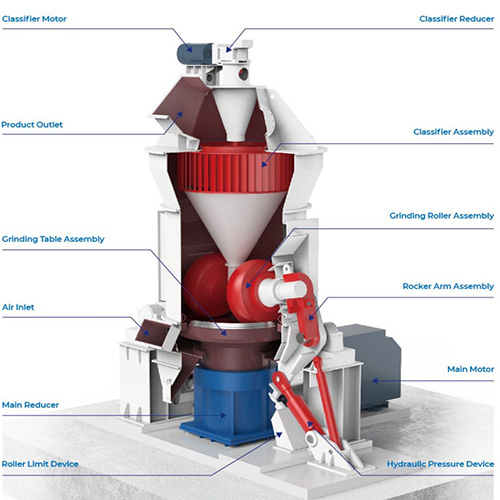
An electric motor drives the grinding table to rotate via a gearbox. Material enters through the feed inlet and lands at the center of the grinding table, while hot gas simultaneously enters the mill through the air inlet. Under the effect of centrifugal force, the material moves toward the edge of the grinding table, where it is crushed under the grinding rollers as it passes through the annular groove on the table. The crushed material is then swept up by the high-velocity gas stream at the air ring near the edge of the table. Larger particles fall directly back onto the grinding table for re-grinding. When the material-laden gas stream passes through the dynamic-static separator, the action of the rotating rotor causes coarse particles to fall back onto the grinding table for further grinding, while the qualified fine powder exits the mill with the airflow and is collected by the powder collection device as the final product. Moist material is dried through contact with the hot gas stream during this process until the required product moisture level is achieved.

Applications
Paper & Coating;Ceramics & Refractories;Paints & Coatings;Calcined kaolin;Rubber & Plastics;Washed kaolin, surface-modified kaolin;Fiberglass & Glass
FAQ
Q1: What fineness can a vertical roller mill achieve for kaolin?
A: Standard configuration: 325–1250 mesh (10–45 μm). With a secondary classifier, down to 5 μm (~2500 mesh) for paper coating and pharmaceutical fillers.
Q2: How does it compare to a ball mill for kaolin grinding?
A: 30–50% lower power per ton at equivalent fineness, narrower particle size distribution, and only 45–60% of the floor space. Integrated drying handles feed moisture up to 5% without an external dryer.
Q3: Can this mill handle high-moisture kaolin?
A: Yes, up to 5% moisture via the integrated hot-air generator. Higher moisture requires a pre-drying system. The air-swept design dries and grinds simultaneously.
Q4: What is the typical maintenance schedule?
A: Inspect rollers and table liners every 1,500–2,000 hours. Invertible rollers and centralized lubrication keep routine maintenance to about one shift per month; major overhaul intervals exceed 8,000 hours.
Q5: Is it suitable for both raw and calcined kaolin?
A: Yes. The hydraulic system auto-adjusts pressure for different hardness. For abrasive calcined kaolin, we recommend a ceramic-lined classifier and extra roller-path wear protection.
Case
 |
|
★ Project Name: Nigeria Annual Production 200000 Tons Natural Gypsum Calcination Production Line
★ Type of processed material: natural gypsum
★ Production capacity: ≥ 35t/h
★ Product fineness: 120 mesh, 90% pass
|
FAQ
Typical Technical Questions about Gypsum Vertical Roller Mill:
Q1: What is the maximum moisture content of gypsum that the vertical roller mill can handle?
A: The standard configuration handles feed moisture ≤5%. For higher‑moisture materials (e.g. FGD gypsum with 10‑15% moisture), a hot‑air drying system can be equipped to realize simultaneous drying inside the mill.
Q2: What is the service life of grinding rollers and grinding table liners?
A: Made of high‑chromium cast iron or ceramic composite materials. Under normal gypsum grinding conditions, the service life of grinding rollers ranges from 6,000 to 10,000 hours, while liners last 12,000‑18,000 hours. Actual service life depends on material abrasiveness and fineness requirements.
Q3: Can the output fineness be adjusted?
A: Yes. The fineness can be adjusted within the range of 80‑600 mesh by variable‑frequency control of the classifier rotating speed, without shutdown or component replacement.
Q4: What are the differences between vertical roller mill and ball mill for gypsum grinding?
A: The vertical roller mill system features 30‑40% lower power consumption, over 50% smaller footprint and lower noise (<85 dB), with more flexible output fineness adjustment. However, it has certain requirements on feed particle size and feed moisture.
Why Choose Hefei Hengcheng?
leave a message
Wechat :


Whatsapp :

Home
Products
contact