Enter product details (such as color, size, materials etc.) and other specific requirements to receive an accurate quote.
leave a message
If you are interested in our products and want to know more details,please leave a message here,we will reply you as soon as we can.
submit
other
Home

Blogs

Blogs

  • What Technical Parameters Does a Kaolin Vertical Roller Mill Have?
    What Technical Parameters Does a Kaolin Vertical Roller Mill Have?
    Jul 17, 2026
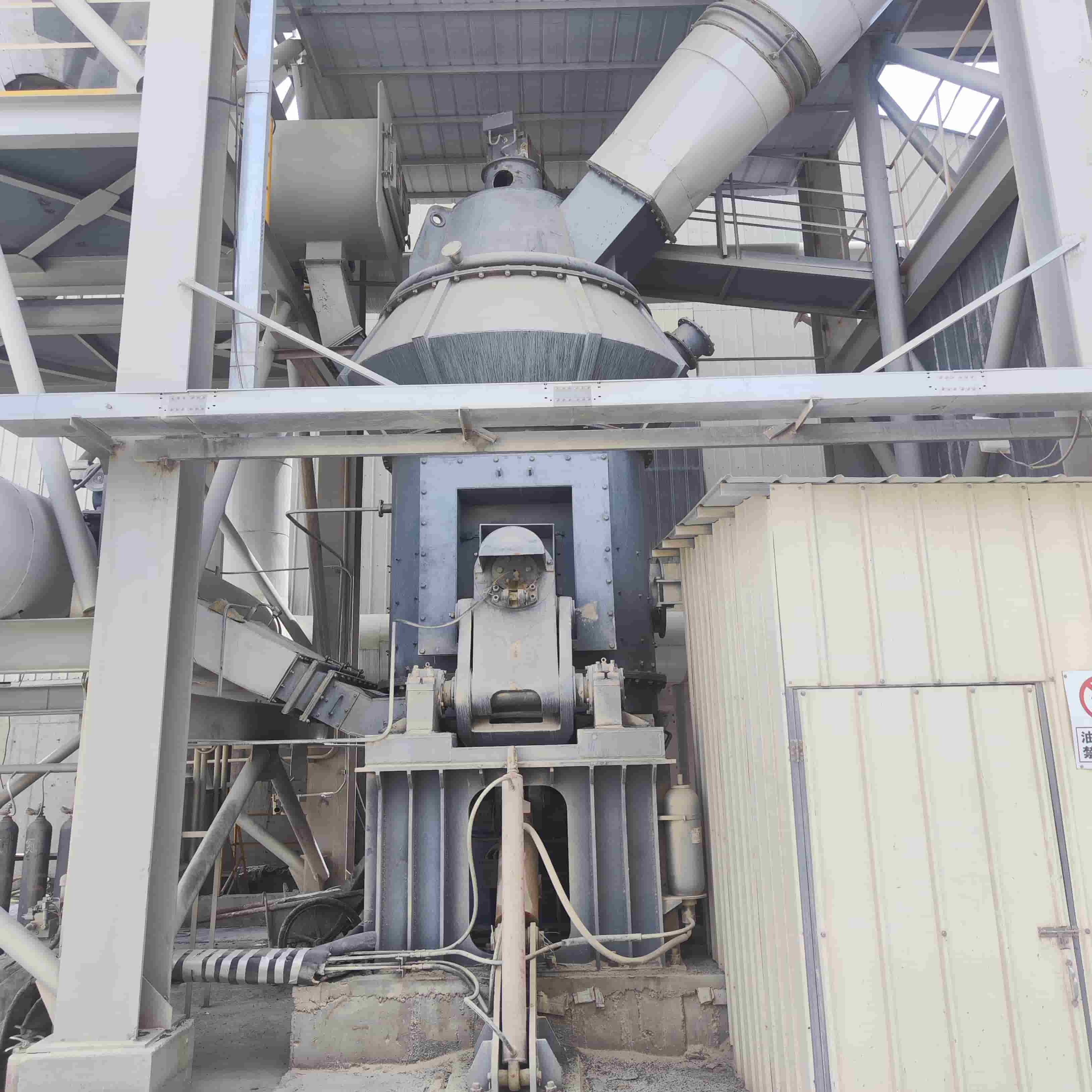
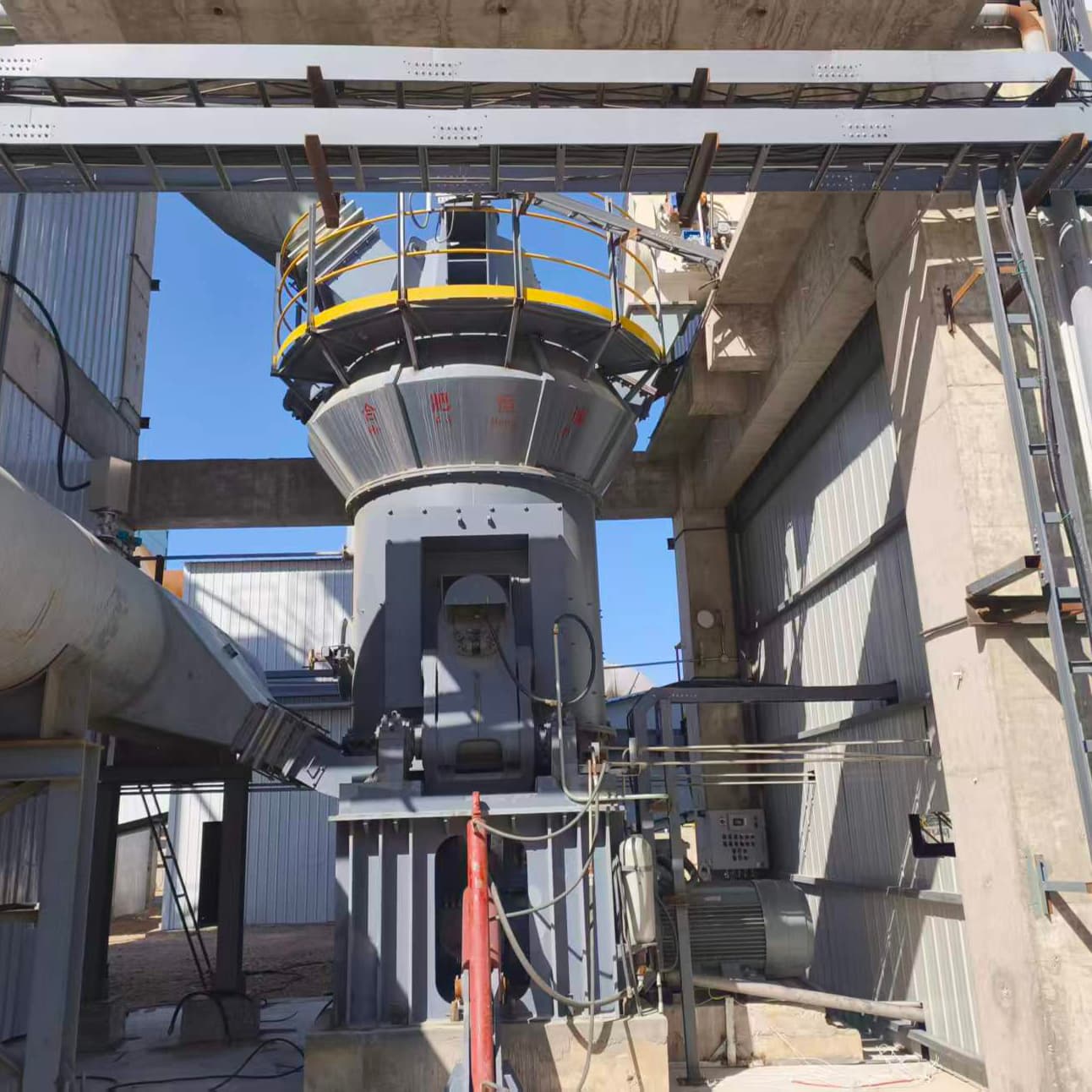
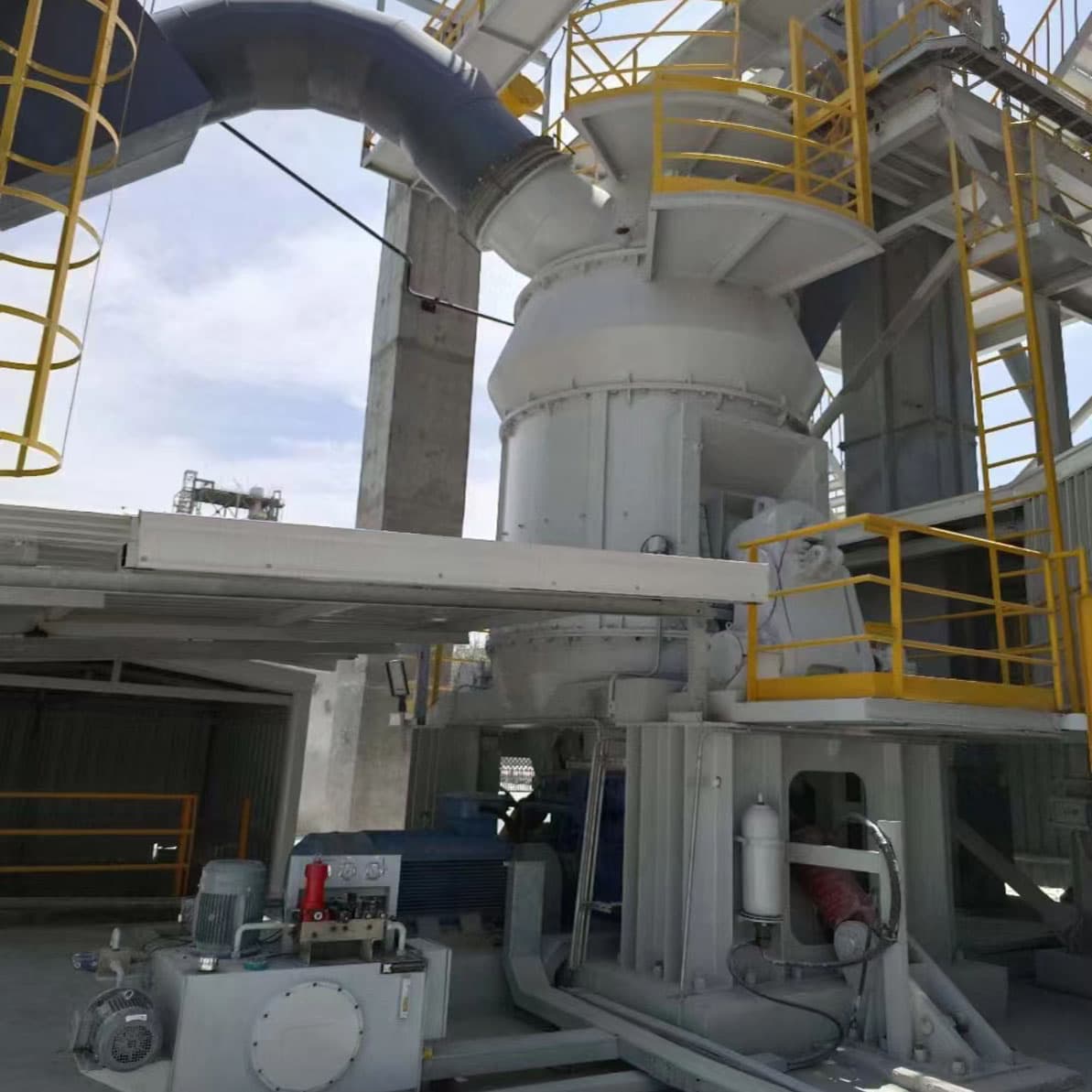
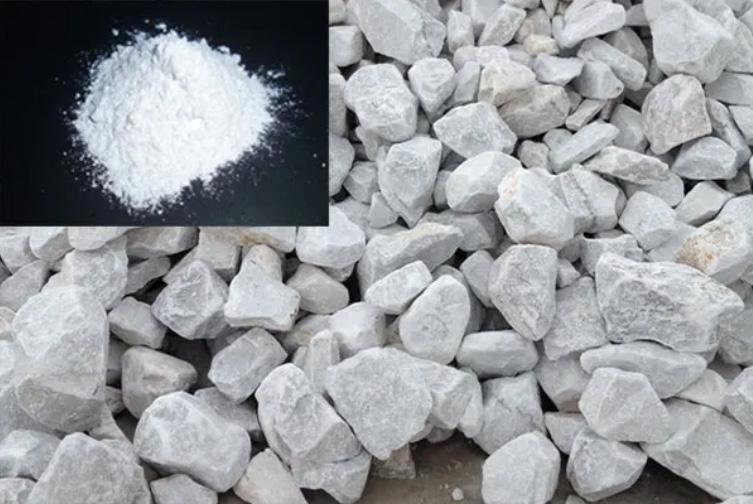
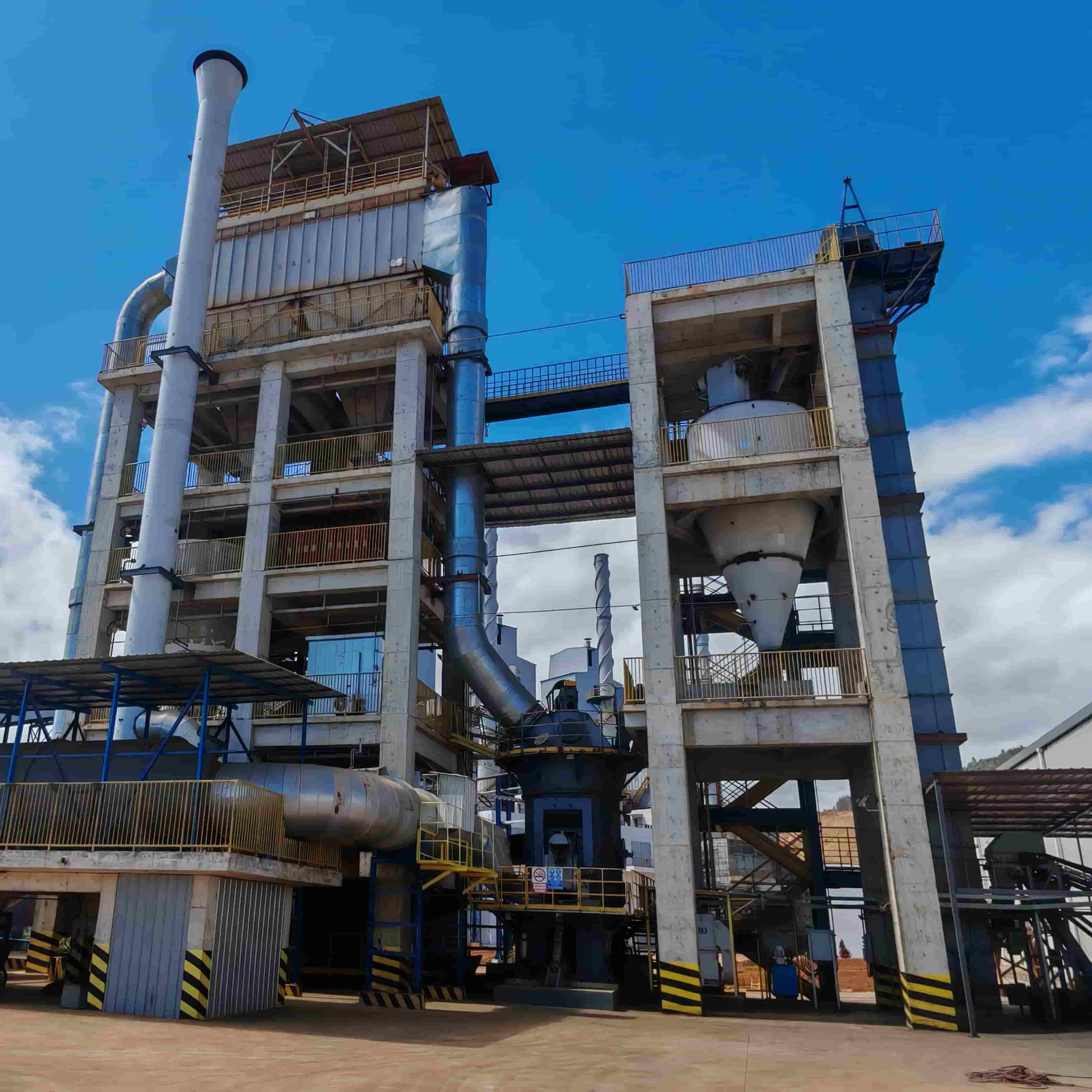
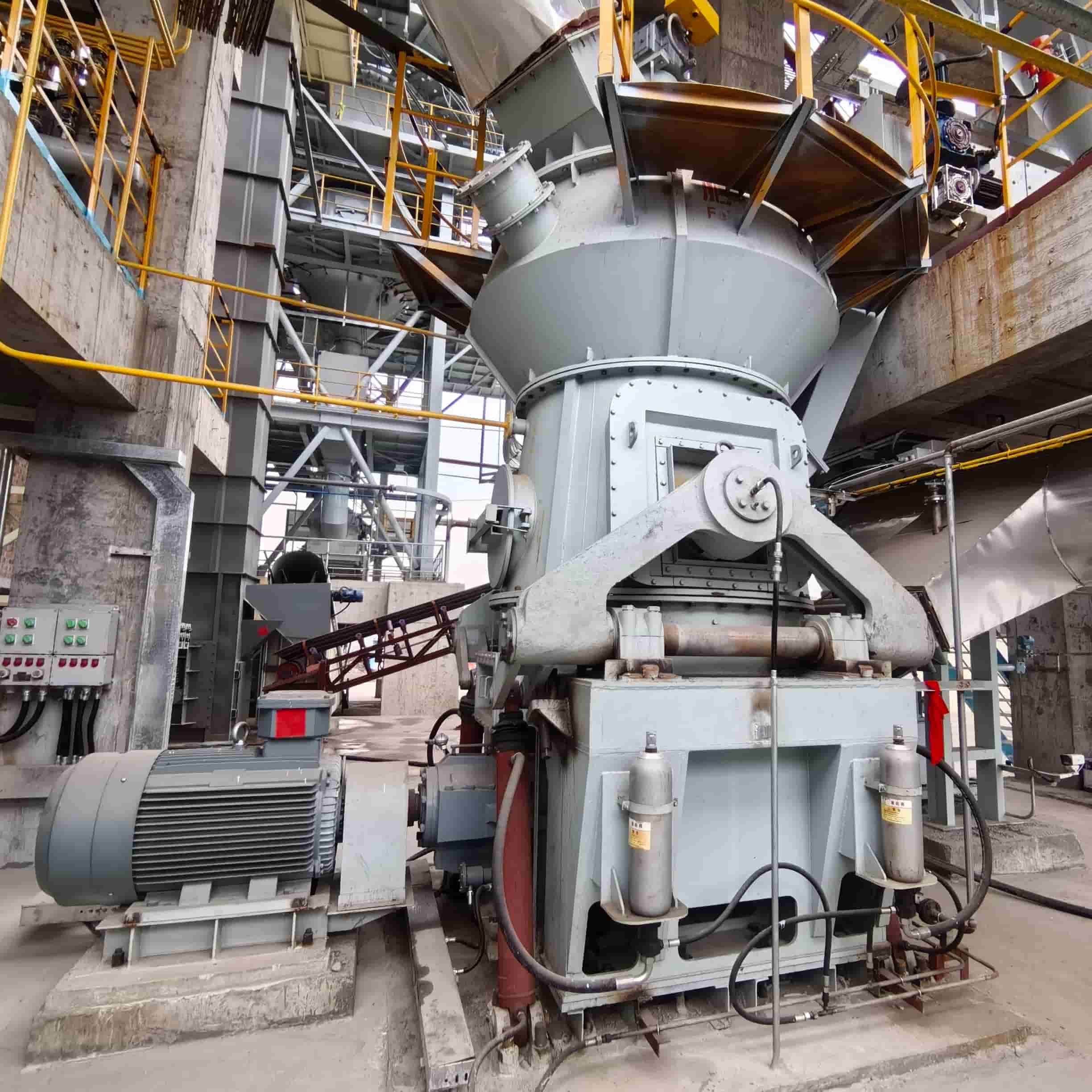
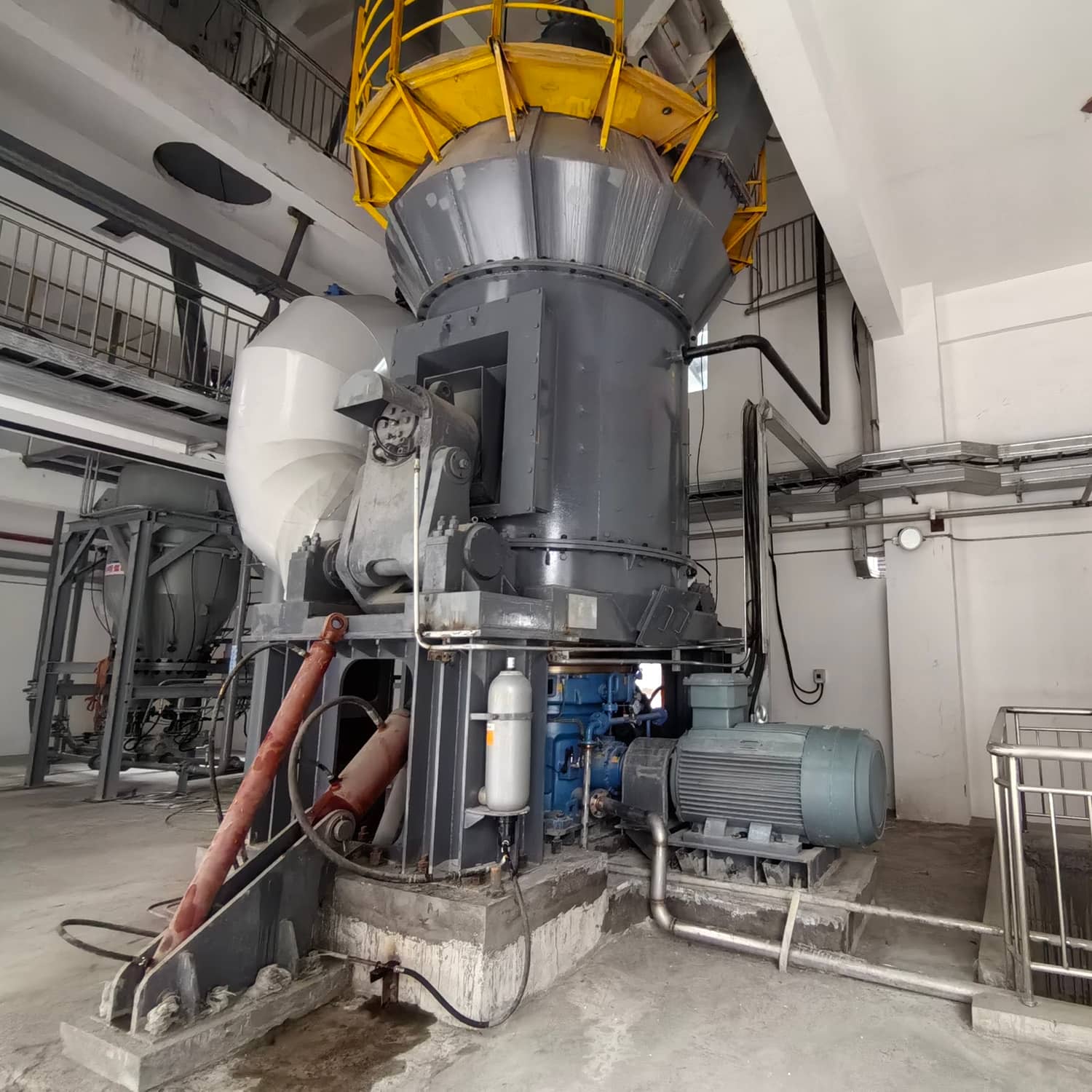
    Overall Appearance Drawing of Kaolin Vertical Roller Mill   Kaolin is one of the most widely used industrial minerals, and vertical roller mills (VRM) have become core processing equipment for kaolin. Integrating grinding, classification, drying and conveying in a single unit, they stand as the top choice for kaolin manufacturers. So what specific technical parameters does a vertical roller mill for kaolin processing feature, and why do these parameters matter? This article breaks down all key specifications in detail to clarify the critical factors for your equipment selection.   Why Should You Pay Attention to Technical Parameters for Kaolin Grinding? The value of kaolin directly depends on its particle size, whiteness and purity. The grinding process must achieve precise fineness, generally ranging from 325 mesh (45 μm) to 2500 mesh (5 μm), to meet the standards of downstream industries such as paper coatings, ceramics, paints, plastics and cosmetics. Vertical roller mills can produce ultra-fine powder with uniform particles and narrow size distribution, making them the preferred grinding technology.   Key Technical Parameters of Kaolin Vertical Roller Mill 1. Grinding Disc Grinding The millstone diameter directly determines the mill’s production capacity. A larger diameter allows higher material throughput and output. Model Series Grinding Disc Grinding (mm) Capacity(t/h) HVM1400 1400mm 3–14 (Depends on target fineness) HVM1600 1600mm 5-17 HVM1700 1700mm 6-19 Data of HVM series based on calcite test; output varies with target fineness. For large-scale production demands, the HVM2400 model features a 2400 mm millstone diameter with a capacity up to 40 t/h, fully meeting the requirements of mass industrial production.     2. Number of Grinding Rollers Grinding rollers exert compressive force on the material bed atop the rotating millstone. The quantity of grinding rollers directly impacts grinding efficiency and operational stability. HVM Series: Equipped with 2 to 3 grinding rollers as standard.   More rollers generally deliver stronger grinding pressure and higher output of fine powder, yet the exact number is determined by the overall mill design.     3. Fineness Range of Finished Powder Fineness is the most critical indicator for kaolin grinding. Modern vertical roller mills equipped with high-efficiency dynamic classifiers enable precise particle size control, with adjustable fineness without machine shutdown.   Typical fineness range: 300–3000 mesh (47–5 μm). Ultra-fine grinding capacity: Fitted with a secondary classification system, certain mill models can reach a fineness of 3 μm (D97). Precise classification: The integrated classifier guarantees narrow particle size distribution, which is essential for high-standard applications such as paper coatings.     4. Feed Particle Size and Moisture Handling Capacity These two parameters define the basic raw material requirements for the mill. Maximum feed particle size: For the HVM series, the standard feed size is less than 10 mm or up to 20 mm. Certain models fitted with a pre-crushing system are capable of processing materials with a particle size no greater than 50 mm.   Raw material moisture: Most vertical mills are equipped with a hot air system, enabling them to process feedstock with a moisture content of 3% to 5% without external drying equipment. Special customized designs can handle raw materials with moisture levels as high as 15% in a single pass. This built-in drying performance constitutes a prominent advantage. It eliminates the need for standalone drying units and streamlines the overall production process.       5. Metal Wear and Product Purity Kaolin purity is critical, especially for high-end application scenarios. HVM Vertical mills are engineered to minimize metallic contamination generated during the grinding process.   Metal wear rate: As low as 5–10 grams per ton of processed material. Wear-resistant materials: The grinding rollers and grinding table liners are fabricated from special wear-resistant alloys to extend service life and cut down contamination. Reduced wear brings higher product purity alongside lower maintenance costs, serving as a core selling point for customers targeting high-end markets.       6. Energy Efficiency Power consumption accounts for a major share of operational costs. Vertical mills deliver remarkable power savings in comparison with conventional ball mills.   Power saving performance: Energy consumption is reduced by 30%–40% versus ball mills. Integrated process merits: Integrating grinding, drying and classification into one unit removes the requirement for multiple standalone machines. The overall plant energy consumption can be lowered by 30%–50% comprehensively.     Whether your target markets are paper coatings or high-performance industrial fillers, selecting a vertical mill with matched parameters is critical to your market competitiveness. If you require accurate recommendations tailored to your specific raw material properties and production capacity targets, please consult the technical team of the equipment manufacturer.     Have any further questions regarding vertical mill model selection? Feel free to get in touch with our technical team for a customized evaluation solution.
  • Dense Phase vs Dilute Phase: Which Pneumatic Conveying Pump Is Right for You?
    Dense Phase vs Dilute Phase: Which Pneumatic Conveying Pump Is Right for You?
    Sep 10, 2026
    Choosing a suitable pneumatic conveying system stands as a pivotal decision for facilities processing dry bulk solids. The selection between dense‑phase and dilute‑phase transport carries far‑reaching implications: it influences upfront capital expenditure, ongoing energy consumption, material integrity, and routine maintenance overhead. This guide outlines their core distinctions to support you in identifying the optimal solution matching your site operational parameters. Understanding Dense Phase vs Dilute Phase Pneumatic Conveying Pneumatic conveying systems leverage compressed air or gas to transfer dry bulk materials inside sealed pipelines. The core distinction separating dense phase and dilute phase systems rests on the material’s transport state within piping. In dilute phase conveying, solid particles are suspended within a high‑speed airflow, analogous to leaves swept away by strong winds. Materials stay evenly dispersed along the pipeline, with typical air velocities between 18 and 35 m/s and comparatively low solid‑gas ratios. Operating pressure generally stays below 1 bar, so the system can work with low‑pressure blowers or compressors.   By contrast, dense phase conveying propels materials in dense slugs or plugs at far lower speeds of 3–10 m/s. Driven by elevated pressure ranging from 1 bar to 4 bar, materials advance through pipes in a mild, controllable flow. It delivers remarkably high solid‑to‑gas ratios, enabling larger material throughput while consuming less air. When to Select Dilute Phase Conveying? Dilute phase conveying systems shine in scenarios prioritizing fast transfer speeds and straightforward setup over gentle material handling. Powered by high‑speed airflow that maintains particles in suspension, this technology fits perfectly for the following use cases: - Free‑flowing, non‑abrasive bulk solids including flour, plastic pellets and select chemical powders. Such materials can withstand high‑velocity transportation with minimal particle breakage. - Conveying routes of limited length, where the energy cost brought by high‑speed operation stays within acceptable range. Generally speaking, dilute phase solutions deliver optimal performance for short and medium transport distances. - Projects with constrained upfront budgets. Dilute phase systems adopt simpler hardware and low‑pressure air supply units to cut initial capital expenditure. Moreover, the flexible layout facilitates convenient installation, on‑site adjustment and later capacity expansion. Still, dilute phase conveying carries inherent drawbacks. High transport velocity speeds up pipe abrasion, especially at elbows and bends where particles strike inner pipe surfaces. Delicate materials risk fragmentation and quality deterioration during transit, while overall energy consumption tends to rise throughout long‑term operation.   Making the Right Choice for Your Operation Selecting between dense and dilute phase conveying requires careful evaluation of your specific requirements. Consider these factors: Material characteristics should be your starting point. Assess particle size, density, abrasiveness, fragility, and moisture content. Materials that are heavy, coarse, abrasive, or fragile generally favor dense phase conveying. Conveying distance and throughput requirements will influence system design. Longer distances and higher capacities often justify the higher initial investment of dense phase systems, particularly when considering long-term operating costs. Product value and quality requirements matter significantly. If material degradation affects your final product quality or downstream processing, dense phase conveying‘s gentle handling becomes essential.   Available utilities and space may constrain your options. Dense phase systems require higher-pressure compressed air, while dilute phase systems need higher air volumes. Evaluate what your facility can support. There is no absolutely superior solution—the most suitable conveying system depends on your actual operating conditions. Dilute phase pneumatic conveying has a simple structure and requires lower upfront investment for materials with good flowability and short-distance conveying; dense phase pneumatic conveying, on the other hand, better protects materials and reduces equipment wear, offering long-term operational advantages for difficult-to-handle materials and long-distance conveying scenarios.   Many factories ultimately choose to consult professional pneumatic conveying engineers: engineers can test material samples, simulate system operating conditions, and recommend the optimal turnkey solution. Making a reasonable investment at the system selection stage will continuously pay off in the form of greater equipment stability, lower maintenance costs, and consistent finished product quality.  
  • Dense Phase Pneumatic Conveying Vessel Pump: The Complete Guide for 2026
    Dense Phase Pneumatic Conveying Vessel Pump: The Complete Guide for 2026
    Sep 08, 2026
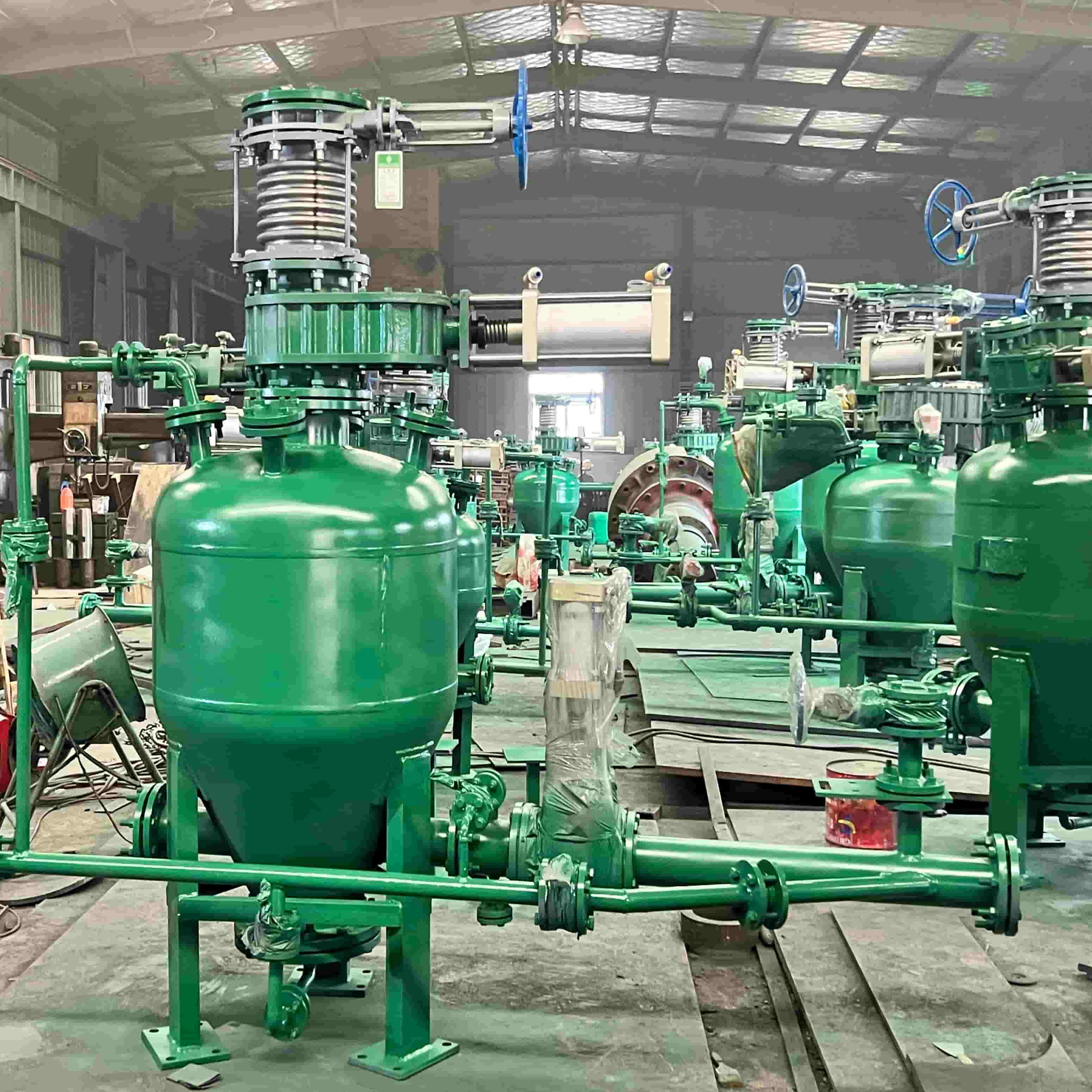
    What Is a PCD Dense Phase Pneumatic Conveying Vessel Pump? PCD‑type Positive‑pressure Dense‑phase Pneumatic Conveying Pressure Vessel Pump With years of R&D and abundant practical field experience, our company has developed pneumatic conveying equipment and complete process systems with independent intellectual property rights. Its key performance indicators have reached internationally advanced levels. The volume of each pump is custom‑designed according to material properties, particle size, conveying distance and conveying capacity. This customized single‑unit design minimizes conveying energy consumption while fully meeting process requirements. Based on parameters provided by customers, including powder material specifications & properties, conveying distance, throughput and site geographical conditions, we formulate the optimal overall solution for pneumatic conveying, covering air volume calculation, pipeline configuration, dust collection for receiving silos, and after‑sales service planning.  Working Principle of Dense‑Phase Vessel Pump Dense‑phase vessel pumps perform intermittent batch conveying in four core stages. During the filling stage, bulk material drops into the pressure vessel by gravity through the inlet valve. Excess air is discharged to dust‑collection equipment to guarantee efficient filling. Next comes pressurization: inlet and vent valves seal off. Compressed air charges the vessel, reaching working pressures of 7 Barg and higher. For conveying, the discharge valve activates. Compressed air drives powders along piping under dense‑phase conditions. Flow patterns shift between fluidized moving bed and slug‑plug flow, which depends entirely on material physical properties. Finally, purging takes place as system pressure falls. Remaining air cleans out pipeline interiors and mitigates clogging risks. Improved structural designs realize semi‑continuous production: vessel refilling occurs without pipeline depressurization or flow interruption. Dual‑vessel layouts are widely adopted to realize almost continuous material delivery. -- Application Fields PCD‑series pneumatic conveying equipment and systems are widely adopted in building materials, chemical, mining, power, and metallurgy industries. Typical conveyed materials: cement, raw meal, fly ash, slaked lime, dry‑disposed carbide slag, slag powder, steel slag powder, coal powder, alumina powder, vanadium ore powder, phosphorus powder, pyrophyllite powder, silicone powder, etc. Why Choose Dense Phase Over Dilute Phase? 1. Energy Efficiency Dense phase systems use significantly less compressed air per ton of material conveyed—often one-third the air consumption of dilute phase systems . This directly reduces your operating costs. 2. Reduced Wear & Maintenance Because the material moves at low velocity, pipe and elbow wear is dramatically reduced . Some systems incorporate pocket elbows that trap material to protect the deflection point—extending elbow life up to 10:1 compared to standard designs . 3. Material Integrity Friable or fragile products (like coated urea, extruded alumina, or food ingredients) arrive intact with minimal breakage . 4. Fewer Moving Parts Many modern dense phase pumps use only one moving part—a dome valve or cone valve on the inlet—reducing maintenance downtime and spare parts inventory  Choosing the Right Dense Phase Vessel Pump When selecting a system, consider: Material characteristics – Bulk density, particle size, abrasiveness, friability, and whether the material is fluidizable  Conveying distance – Standard systems handle up to 200 meters; high-capacity models extend to 1,000–1,500 meters  Throughput requirements – From small batch systems at 0.1 t/h to high-tonnage systems over 250 t/h  Temperature requirements – Some designs operate at up to 480°C  Pressure vessel codes – Vessels can be manufactured to most international codes (ASME, PED, etc.)    The Bottom Line The dense phase pneumatic conveying vessel pump remains the go-to solution for industries that demand reliable, energy-efficient, and low-maintenance bulk material handling. Whether you're moving cement across a plant, conveying fly ash from a power station, or handling abrasive minerals, this proven technology delivers long-distance capability, material integrity, and lower cost of ownership . Looking to upgrade or specify a new system? Contact our team with your material properties and capacity requirements for a customized solution.
  • What Size Vertical Roller Mill Do You Need? A Complete Sizing Guide
    What Size Vertical Roller Mill Do You Need? A Complete Sizing Guide
    Sep 03, 2026
    Choosing the right size vertical roller mill is one of the most important decisions when setting up a calcite powder processing plant. An undersized mill will fail to meet production targets, while an oversized mill wastes capital and energy. This guide walks you through the key factors to consider when selecting the correct vertical roller mill size for your operation. Why Mill Sizing Matters A vertical roller mill is a long-term investment. The right size ensures: Stable and continuous production Lower energy consumption per ton Extended equipment service life Better return on investment Selecting the wrong size can lead to frequent shutdowns, high wear rates, and increased operating costs. Key Factors That Determine Vertical Roller Mill Size 1. Required Production Capacity The very first factor to clarify is your target hourly throughput in tons. For calcite‑grinding vertical roller mills, production capacity generally falls within 5‑50+ tons per hour. Defining your daily or monthly output goals early on allows you to shortlist suitable mill models efficiently. Capacity Range (t/h) Typical Application 5–10 Small-scale powder plants 10–20 Medium-sized processing lines 20–30 Large industrial operations 30–50+ High-volume GCC production bases   2. Target Product Fineness Your desired finished‑powder fineness is a critical parameter influencing vertical roller mill selection. Finer powders demand higher grinding energy input, which will lower your overall production throughput.   - 200‑325 mesh – Coarse powders, widely used for building materials and industrial fillers - 400‑800 mesh – Medium‑fine powders, ideal for paper, rubber and plastic industries - 800‑1250 mesh – Ultra‑fine powders, engineered for premium‑grade coatings, paints and special‑purpose applications   To maintain the same hourly output when producing 1250‑mesh ultra‑fine powder, you may have to upgrade to a larger‑capacity model or opt for a vertical roller mill custom‑built for ultra‑fine grinding.   3. Raw Material Characteristics Calcite ore differs significantly from one deposit to another, which must be factored into your mill‑selection decision. Key material‑related parameters include: Feed Particle Size – Raw feed with larger particle dimensions calls for a vertical roller mill fitted with an adequate grinding‑table diameter and optimized roller geometry. Moisture Level – Calcite containing high moisture demands a mill equipped with built‑in drying functions. Hardness and Abrasive Properties – Pure calcite is comparatively soft at Mohs hardness 3; however, mineral impurities can accelerate component wear and alter your equipment‑sizing requirements. A vertical roller mill capable of delivering 10 t/h throughput for dry, high‑purity calcite is unlikely to maintain that same production rate when processing wet or impurity‑laden feedstock.   4. Energy Consumption & Operating Cost Thanks to economies of scale, larger‑size mills usually deliver a lower per‑ton power consumption. Yet this advantage only applies when the equipment runs close to its rated capacity. Buying a 20 t/h mill for an actual demand of just 6 t/h will lead to unnecessary power waste from under‑loaded operation. It is recommended to align mill capacity with your real‑world output requirement, while reserving a reasonable 10‑20 % spare margin for future production expansion.   5. Plant Layout & Available Space While vertical roller mills boast a more compact footprint than ball mills, large‑capacity units still demand substantial headroom and floor area on‑site.   Verify the following site conditions in advance: - Clear workshop height reserved for mill installation - Sufficient layout space for classifier, cyclone collector, baghouse filter and conveying systems - Unobstructed maintenance access surrounding the grinding table and rollers 6. Budget & Return on Investment   High‑capacity mills carry a higher initial capital outlay, yet they can bring superior long‑term economic benefits when your production volume can support the investment. Take these expenses into your financial evaluation: - Up‑front equipment purchase cost - Installation and commissioning charges - Per‑ton energy‑consumption expense - Replacement cycle of wear‑resistant components - Labor and routine maintenance expenditure For most medium‑sized calcite processing plants, a mid‑capacity mill operated at 80‑90% load rate usually yields the optimal return on investment. Step-by-Step Sizing Process Follow these steps to determine the right vertical roller mill size: Define your target output – Required tons per hour or tons per year. Specify powder fineness – Target mesh size and particle size distribution. Analyze raw material – Feed size, moisture, and impurity content. Evaluate plant conditions – Available space, power supply, and environmental requirements. Consult manufacturer – Provide your data and request a technical proposal with specific model recommendations. Compare options – Evaluate capacity, energy consumption, price, and after-sales support. Conclusion Choosing the right size vertical roller mill is a balance between production demands, powder specifications, and budget. A professional manufacturer can help you determine the optimal model based on your specific calcite processing requirements. For a customized sizing recommendation and factory quotation, contact us with your capacity target and fineness requirement — our engineering team will provide a tailored solution within 24 hours.  
  • Vertical Roller Mill vs Ball Mill: Which Is Better for Your Grinding Plant?
    Vertical Roller Mill vs Ball Mill: Which Is Better for Your Grinding Plant?
    Aug 28, 2026
    1. Equipment structure analysis 1. Ball Mill  The ball mill is composed of a horizontal cylinder, a hollow shaft for feeding and discharging materials, and a grinding head. The cylinder is a long cylinder with a grinding body inside. Generally, it is a steel ball, and it is loaded into the cylinder according to different diameters and certain proportions. The grinding body can also be made of steel segments. Figure 1: Structural schematic diagram of ball mill The material is selected according to the particle size of the grinding material, and the material is loaded into the cylinder through the hollow shaft at the feed end of the ball mill. When the ball mill is rotated, the grinding body is attached to the lining plate of the nearby cylinder due to the action of inertia, centrifugal force and friction. The cylinder is taken away, and when it is brought to a certain height, it is thrown down due to its own gravity, and the falling grinding body crushes the materials in the cylinder like a projectile. The material is spirally and evenly entered into the first chamber of the mill through the feeding hollow shaft by the feeding device. There are stepped lining boards or corrugated lining boards in the chamber, and steel balls of different specifications are installed inside. The rotation of the cylinder produces centrifugal force to bring the steel balls to a certain height. After falling down, it will hit and grind the material. Materials get coarse grind in the first warehouse, then into the second warehouse through the single-compartment. The second warehouse has flat liner and also filled with balls , then grind the material again. The powder is discharged through the discharge grate to complete the grinding operation.During the rotation of the cylinder, the grinding body also has a phenomenon of slipping. During the sliding process, the material is given a grinding effect. In order to effectively use the grinding effect, when grinding the material with a larger particle size of generally 20 mesh, the grinding body cylinder Divided into two sections by partition board, it becomes a double warehouse. When the material enters the first warehouse, it is crushed by steel balls. When the material enters the second warehouse, the steel forging grinds the material, and the finely ground material is hollowed out from the discharge end. Shaft discharge, when grinding materials with small feed particles, such as sand No. 2 slag, coarse fly ash, the mill cylinder can be a single-silo mill without partitions, and the grinding volume can also be used for steel sections . 2. Vertical Mill Vertical mill is an ideal large-scale grinding equipment, widely used in cement, electric power, metallurgy, chemical industry, non-metallic minerals and other industries. It integrates crushing, drying, grinding, grading and conveying, and has high production efficiency. It can grind block, granular and powder raw materials into required powder materials. Figure 2: Schematic diagram of vertical mill structure The vertical mill works as follows: the motor drives the grinding disc to rotate via a reducer. Material is fed through an airlock feeder onto the center of the rotating disc, then moves outward by centrifugal force into the grinding zone. There, grinding rollers apply hydraulic pressure to crush and shear the material. (Vertical Roller Mill)   Hot air rises through a wind ring around the disc, blowing the ground material upward. Coarse particles fall back to the disc for regrinding, while the hot air simultaneously dries the material. Fine powder is carried into a separator for classification — qualified product exits with the airflow and is collected by a dust collector, while oversized particles return to the disc for further grinding. This cycle completes the entire grinding process. 3. Grinding mechanism of ball mill and vertical mill   3.1 Grinding mechanism of ball millAs we all know, as a traditional grinding equipment, the ball mill has always been in a monopoly position in the grinding operation of materials. Due to the following defects in the grinding mechanism of the ball mill, the effective utilization rate of energy is extremely low. According to data reports, generally only 1 to 3 %. Therefore, the energy saving of grinding operation is also one of the issues that should be paid attention to in energy saving and consumption reduction. The grinding mechanism of the ball mill is based on impact and grinding, and its characteristics: (1) It is necessary to bring dozens of tons, even hundreds of tons of grinding bodies and materials to a certain height at the same time; (2) The force of the grinding body acting on the material changes greatly, which cannot be controlled by humans; (3) There are useless collisions between the grinding bodies and between the grinding bodies and the liner, and a large amount of energy is wasted; (4) Over-grinding phenomenon exists; (5) Loud noise, generally 100-120dB (A sound level); (6) The grinding body consumes a lot. In the past, the energy-saving transformation of the grinding system was limited to the transformation of the ball mill itself and its system, such as improving the mill liner, compartment plate, adjusting the gradation of the grinding body, ventilation inside the mill, reducing the particle size of the incoming material, etc. Achieved a certain effect of increasing production and saving energy, but did not fundamentally solve the problems existing in the grinding mechanism of the ball mill.3.2 Grinding mechanism of vertical mill  When the vertical mill grinds materials, it squeezes the material bed formed by the loose materials through the surfaces of the two tightly pressed rolling elements inside, and gradually crushes or grinds them into powder. The grinding rollers in the vertical mill are movable, and the grinding pressure is transmitted by the compressed material bed filled in the gap between the rollers. Vertical mill operation has the following main features: (1) The force of the grinding roller on the material can be controlled artificially to ensure that the force on the material and equipment is uniform and constant. (2) Qualified fine powder can be sorted out in time. (3) The vertical mill body realizes low-noise operation. (4) Integrates five processes of crushing, grinding, drying, grading and conveying. Due to the reasonable structure and grinding method of the vertical mill, the grinding efficiency of the vertical mill is higher than that of the ball mill. 2、 Analysis of grinding system   1. Comparison of Ball Mill and Vertical Mill Pulverization Schemes 1.1 Comparison of Process Plans for Ball Mill Pulverization and Vertical Mill Pulverization Limestone grinding can be done using a vertical mill or ball mill. The top of the vertical mill comes with a separator. By adjusting the air ring valve, the product fineness can be changed, and the load of the material bed inside the mill can be uniform and stable. After the powder is discharged from the mill, it enters the pulse bag dust collector with the exhaust fan airflow for collection, and then enters the limestone powder silo for storage through horizontal and vertical conveying equipment, as shown in Figure 4. If it is a ball mill, after the powder is discharged, it first passes through an efficient powder concentrator for sorting. The powder concentrator has a rotor driven by a variable frequency motor and rotating vertically. By adjusting the speed of the rotor and the ventilation rate of the powder concentrator, the fineness of the finished product is adjusted. The sorted coarse material is sent back to the inlet of the mill through a screw conveyor for further grinding. The powder with the required fineness enters the pulse bag dust collector along with the exhaust fan airflow for collection, and then enters the limestone powder silo for storage through horizontal and vertical conveying equipment, as shown in Figure 3. Figure 3: Process Flow Diagram of Ball Mill Pulverizing System Figure 4: Process Flow Diagram of Vertical Grinding Powder System The process flow shown in Figure 3 is a "two-stage dust collection system". The process is complex, there are many system equipment, and there are many system failure points. The system is characterized by difficult operation, multiple constraints on process layout, and a large footprint. Although high concentration dust collectors are not required, the relative investment is also significant. The process flow shown in Figure 4 is a "primary dust collection system". It has the advantages of simple process flow, fewer system equipment, fewer system failure points, convenient system operation, flexible process layout, and no wear on the main fan impeller of the system. But it requires the configuration of a high concentration dust collector, which is relatively expensive. Through comparison, it can be found that the vertical grinding process is simple, occupies a small area and space. The vertical grinding itself has a powder concentrator, and does not require additional powder concentrators and lifting equipment, resulting in fewer system equipment. The system has few fault points, convenient operation, and flexible process layout. The process is simple, the layout is compact, and can be arranged outdoors. The building area is about 70% of the ball mill system, and the building space is about 50-60% of the ball mill pulverizing system. 1.2 Comparison of Ball Mill Pulverizing and Vertical Mill Pulverizing System Schemes  The HVM type vertical mill pulverizing system used in a Fossil fuel power station is compared with the original ball mill pulverizing system of the plant. Table 1: Comparison of Limestone Powder Preparation System Schemes From Table 1, it can be seen that using a ball mill milling system incurs nearly 10% more investment than using a vertical milling system. However, all technical and economic indicators are lower than those of the vertical grinding powder system. Especially for the power consumption per unit product, the vertical milling system is 30% to 40% lower than the ball milling system. It can be seen that the vertical grinding powder system is far superior to the ball mill powder system in terms of technical and economic indicators. In terms of other technical indicators, the vertical grinding powder system is also much more advanced. 3、 Conclusion analysis Compared with ball mill systems, vertical mill systems have the following advantages: 1. Lower investment cost Simple process, compact layout and small‑footprint design. With an integrated powder separator, no extra separators or lifting equipment are required. Its floor area is around 70% and occupied space 50‑60% of that of a ball‑mill system. 2. High efficiency, energy‑saving & eco‑friendly Adopting material‑bed grinding, it cuts power consumption by 30‑40% versus ball mills, with higher energy savings for high‑moisture materials. Noise is reduced by 20‑25 dB; the fully‑sealed negative‑pressure operation achieves zero dust emission. 3. Convenient operation & maintenance Automatic control system supports remote operation. Quick replacement of roller sleeves and liners via cylinder maintenance and rocker‑arm turnover reduces downtime. Longer service life of wear‑resistant parts lowers replacement frequency. 4. Stable product quality & fast adjustment Residence time of materials inside the mill is only 2‑3 minutes (15‑20 minutes for ball mills). This enables rapid testing and adjustment of chemical composition and fineness, delivering products with stable components and uniform particle‑size distribution. 5. Low wear loss & high utilization of grinding parts No direct metal‑to‑metal contact between grinding rollers and disc results in minimal abrasion. Metal consumption stands at 5‑10 g/t of finished product, and wear‑resistant components can serve for about 10,000 hours. 6. Strong drying capacity Hot air is used for material conveying. By adjusting inlet air temperature, materials with moisture content up to 20% can be dried.  

  • Why Bentonite Producers Are Switching to Vertical Roller Mills
    Why Bentonite Producers Are Switching to Vertical Roller Mills
    Jul 27, 2026
    Bentonite is a versatile mineral used in drilling fluids, foundry sand binders, iron ore pelletizing, and even cosmetics. But processing it efficiently has always been a challenge—especially when using traditional equipment like Raymond mills or ball mills. Here’s why more bentonite producers are making the switch to vertical roller mills.   The Problem with Traditional Mills Bentonite raw ore often comes with high moisture content (15–35%) and requires fine grinding—typically 200 mesh or finer. Raymond mills struggle with these conditions. They suffer from: Low single-machine output High wear and maintenance costs Dust leakage and poor working conditions Low automation levels   For large-scale producers, these limitations directly impact profitability. pic: Frame of Raymond Mill   The HCHVM Vertical Roller Mill Advantage Vertical roller mills address all these pain points. 1. Integrated Drying and Grinding Bentonite's high moisture is no longer a bottleneck. VRMs introduce hot gas directly into the grinding chamber, simultaneously drying and grinding the material in one step. This eliminates the need for a separate pre-dryer—saving both equipment costs and floor space.   2. Higher Efficiency & Lower Power Expense Adopting material bed extrusion grinding,industrial slag grinding vertical roller mill are far more energy-saving than impact-type ball mills, delivering 30%–50% power reduction. Practical application data proves bentonite manufacturers can slash power expenditure by 3.3$ per ton with VRMs.   3. HFVRM Precise Fineness Control Bentonite applications demand consistent particle size—whether it's 200 mesh for drilling mud or 1500 mesh for high-end coatings. Modern VRMs are equipped with dynamic classifiers that allow real-time fineness adjustment without stopping production. Output ranges typically span 100–2500 mesh depending on the model.   4. Lower Wear and Maintenance The grinding bed itself provides a cushioning effect, reducing direct contact wear between rollers and the grinding table. Wear parts are made from high-chromium or composite alloys, delivering extended service life—2–5 years for non-metallic mineral applications.   5. Cleaner, Quieter Operation HFVRM VRMs operate under negative pressure with pulse-jet dust collectors, keeping emissions below strict environmental standards. Noise levels are also significantly lower than traditional mills—roughly 15 dB quieter than Raymond mills.   Real-World Results Data from operating bentonite VRM lines confirms the benefits: One plant producing 325-mesh bentonite achieved daily output exceeding 300 tons, with monthly electricity savings of nearly USD 8000. A 200-mesh bentonite line with 98% passing rate achieved 35% lower energy consumption than a traditional Raymond mill setup.   Annual production capacity for a single VRM line can exceed 150,000 tons. For bentonite producers looking to scale up, reduce operating costs, and meet stricter environmental standards, vertical roller mills are no longer a luxury—they're a competitive necessity. The technology has matured, proven itself in real-world applications, and is increasingly the go-to choice for new and expanded bentonite processing lines. Interested in upgrading your bentonite grinding line? Contact us for a customized solution and feasibility analysis.   Contact Us or through the WhatsApp      
  • The Smart Choice for Calcite Ultrafine Milling: How Vertical Roller Mills Deliver Higher Value for You?
    The Smart Choice for Calcite Ultrafine Milling: How Vertical Roller Mills Deliver Higher Value for You?
    Jul 20, 2026
    Calcite is a natural calcium carbonate mineral and one of the most widely used and highest-consumption non-metallic mineral raw materials in the industrial sector. Processed Ground Calcium Carbonate (GCC) powder plays an irreplaceable role in numerous industries including plastics, coatings, papermaking, rubber, construction materials and daily chemical products.   Nevertheless, processing raw calcite ore into ultrafine powder that meets stringent downstream specifications (such as 325 mesh, 800 mesh and even above 1250 mesh) is no simple task. When used for high-fineness grinding, traditional ball mills and Raymond mills commonly suffer from high energy consumption, poor particle size distribution control and rapid equipment wear. For enterprises committed to developing the non-metallic mineral grinding business, what solution stands out as the most competitive option available today? The answer is increasingly clear: Vertical Roller Mill (VRM). This article analyzes the core advantages of the HVM vertical roller mill in calcite processing, and explains how precise technical selection helps enterprises stand out in fierce market competition.   Why is the HVM Vertical Roller Mill an Ideal Choice for Calcite Processing? Compared with traditional grinding equipment, heavy-duty vertical roller mills deliver revolutionary technological upgrades in calcite processing, with prominent advantages reflected in the following core aspects: 1. Energy Saving and Consumption Reduction, Solving Core Cost Pain Points The HVM vertical roller mill adopts the bed grinding principle. Materials are crushed and ground through extrusion between the grinding disc and grinding rollers, achieving a far higher energy utilization rate than the impact grinding mode of ball mills. Mass field applications prove that the system power consumption for calcite processing by vertical roller mills can be reduced by 30%-50% compared with traditional ball mills. Against the backdrop of continuously rising energy costs, this advantage directly translates into substantial profit margins for enterprises.   2. Precise Powder Control to Meet High-end Market Requirements Equipped with a high-efficiency dynamic classifier, the HVM vertical roller mill enables real-time adjustment of finished product fineness and achieves a narrow particle size distribution. Whether producing 325-mesh conventional filler powder or high-value-added 800-mesh and 1250-mesh ultrafine powder, operators can realize accurate fineness control simply by adjusting the classifier speed. This ensures stable product indicators and fully meets the stringent standards of high-end customers.   3. Integrated Process Design to Simplify Production Line Layout A single HVM vertical roller mill integrates five core functions: crushing, grinding, classifying, drying and conveying. For calcite raw materials with a certain moisture content, drying and grinding can be completed synchronously inside the mill. This greatly simplifies the production process, reduces investment in auxiliary equipment, and saves plant floor space.   Tap into High-value Calcite Markets The selection of appropriate processing equipment directly determines your access to high-margin end markets. Conventional Filler Market (200–400 mesh): Featuring high output and steady demand, this segment forms the fundamental market for vertical roller mills. For instance, the HVM1900 vertical mill boasts a production capacity of 23 to 68 tons per hour, fully capable of supporting large-scale industrial production.   High-value-added Ultrafine Powder Market (600–2500 mesh): This is the core driver of profit growth. Ultrafine calcium carbonate powder commands premium prices for applications in high-end coatings, sealants, automotive paints and other sectors. To cater to such demands, professional ultrafine vertical mills (the HVM series, for example) can control product particle size at D97 = 5–30 microns, empowering manufacturers to capture greater share in high-end markets.   Key Considerations for Equipment Selection For domestic machinery manufacturers striving to make breakthroughs in overseas markets, merely supplying equipment parameters is insufficient. It is equally critical to demonstrate in-depth understanding of application processes. The following factors should be prioritized when proposing solutions to clients:   Raw Material Compatibility Calcite features low hardness (Mohs hardness 3), yet finished products demand stringent whiteness and purity standards. The equipment must adopt a low-wear structural design to prevent product contamination caused by abrasion of grinding rollers and grinding discs during milling.   Intelligent Control System Modern vertical roller mills shall be equipped with PLC automatic control systems to support one-click start-stop, remote monitoring and fault diagnosis. This functionality drastically cuts labor costs and technical barriers for overseas customers.   Environmental Compliance Negative-pressure operation and high-efficiency pulse dust collectors are standard configurations. Ensuring dust emission concentration below 20 mg/Nm³ is a prerequisite to comply with increasingly stringent global environmental regulations.     In the non-metallic mineral processing industry, shifting focus from "selling standalone equipment" to "providing comprehensive processing solutions" holds the key to capturing overseas markets. When it comes to calcite grinding, vertical roller mills stand out as the optimal solution to help clients cut costs, boost efficiency and upgrade product quality, thanks to their three core strengths: outstanding energy efficiency, precise particle size control and highly integrated system design.   If you wish to learn more detailed information about the HVM Vertical Roller Mill, please click:www.hengchengmill.com  or Contact Us!  
  • One Verical Roller Mill, Multiple Minerals: How to Maximize Your Toll Grinding Business in the Middle East?
    One Verical Roller Mill, Multiple Minerals: How to Maximize Your Toll Grinding Business in the Middle East?
    Jul 08, 2026
    Within the rapidly evolving industrial landscape of the Middle East, toll grinding — processing raw materials into powder for a processing fee — has emerged as a stable and profitable business model. From the Eastern Province of Saudi Arabia to industrial zones across the UAE, small and medium-sized processing enterprises enjoy steady demand for mineral powders stemming from oil drilling, construction and manufacturing sectors. Yet every OEM grinder faces a challenge: demand for a single mineral can be seasonal and volatile. Orders for bentonite used in drilling muds surge amid active oil operations before tapering off. Demand for calcium carbonate fluctuates in line with construction cycles. So how can you keep your grinding plant operating at full capacity all year round? The solution: Invest in equipment capable of processing multiple minerals, not just one. The Drawbacks of Single-Mineral Grinding Mills Traditional bentonite grinding equipment, especially outdated Raymond Mills and Ball Mills, are generally designed and calibrated for one specific raw material only. Switching to a different mineral brings the following headaches: Complicated adjustments: You have to modify grinding parameters and classifier settings, and sometimes even replace internal wear parts. Lengthy downtime: Recalibration between different batches can take hours or even days. Risk of cross-contamination: Residues from the previous mineral mix into the next batch of material.
  • Bentonite Sodium Modification & Ultra-fine Grinding Integrated Process
    Bentonite Sodium Modification & Ultra-fine Grinding Integrated Process
    Jul 03, 2026
    Bentonite is a natural clay mineral predominantly composed of montmorillonite. Thanks to its excellent water absorption, swelling capacity and colloidal properties, it is widely used in drilling fluids, foundry, metallurgical pelletizing, environmental protection, cat litter and other fields. Nevertheless, the performance of natural bentonite (especially calcium-based bentonite) often fails to directly meet the requirements of high-end applications. It therefore needs sodium modification to improve its swelling ratio and colloidal activity, followed by ultra-fine grinding to achieve the required fineness and specific surface area.   Traditional processes carry out modification, drying and grinding in separate steps, which results in lengthy production flows, a large number of supporting equipment, high energy consumption and unstable product quality. The integrated process combining sodium modification and ultra-fine grinding of bentonite is developed precisely to address these pain points.   Core Logic of the Integrated Process This process integrates the sodium activation reaction and grinding into a single piece of equipment (such as a vertical roller mill). The basic workflow is as follows: 1. Raw material pre-treatment: After crushing, the raw ore is mixed with a sodium activator (e.g., sodium carbonate) and an appropriate amount of water in proportion, then enters a mixer for pre-blending. 2. Integrated grinding and activation: The blended material enters the vertical roller mill, where crushing, drying, and sodium activation are completed simultaneously during the grinding process. The mill's hot air system provides the required temperature for the reaction, while the mechanical activation effect generated by grinding accelerates ion exchange. 3. Classification and collection: The ground material is classified by the classifier. Qualified fine powder enters the dust collector, while coarse powder is returned to the grinding table for further grinding. 4. Packaging: The finished product is homogenized and then packaged for shipment.   Compared with the traditional multi-step process, the integrated solution reduces multiple pieces of equipment to just one, eliminates intermediate handling steps, and can reduce operator headcount by over 40%.   How the Sodium Modification Reaction Is Completed In-line? The essence of sodium modification lies in the ion exchange between calcium ions and sodium ions within the interlayers of calcium-based montmorillonite. This process enlarges the interlayer spacing of montmorillonite and greatly improves its swelling property. Inside the vertical mill, materials are continuously crushed and dried under the combined action of hot air and grinding pressure. Fresh montmorillonite surfaces are constantly exposed, allowing the sodium modifier to evenly coat the particles and rapidly penetrate into the interlayer structure.   The mechanochemical effect generated during grinding can reduce the activation energy of the reaction, enabling the sodium modification reaction to proceed efficiently at a relatively low temperature. Generally, the mill outlet temperature is controlled within 80–120 °C to meet reaction requirements and prevent structural damage to montmorillonite caused by excessive temperature. In this process, a bentonite vertical mill machine plays a key role in ensuring stable grinding performance and efficient energy transfer during the reaction–comminution stage.   Main Advantages of Integrated Process Comparison Items                  Traditional Step-by-Step Process                                                         Integrated Process        Equipment Quantity                Crushing + Modification + Drying + Grinding + Classification          Completed by One Vertical Mill Land Occupation Area             Big                                                                                                         Small floor area, saving 40%-60% space Energy Consumption               High (Multiple hot air heating)                                                          Low (Single hot air completes drying and reaction) Product Quality                        Large batch-to-batch fluctuation                                                      Stable and controllable with automatic adjustment Investment Cost                       High                                                                                                   Low, with an overall cost saving of 20%-30% Besides, the integrated closed-circuit system minimizes dust emission for a better workshop working environment. Equipped with a PLC automatic control system, it enables real-time adjustment of feed rate, hot air temperature and classifier speed to guarantee stable compliance of product fineness (200 mesh, 325 mesh) and modification indicators (swelling capacity ≥12 mL/g).   Application Scenarios Bentonite for drilling fluid: It requires high swelling capacity and stable viscosity. The integrated process enables precise control of the sodium modification degree. Bentonite for casting: High hot and wet strength is required. Bentonite treated via integrated modification delivers stronger binding force. Bentonite for metallurgical pellets: It needs a fineness of over 325 mesh with uniform sodium modification to enhance pellet strength. Cat litter & environmental adsorption materials: These products demand high water absorption and large specific surface area, which can be achieved in one step through the integrated solution.   Key Technical Points and Equipment Selection The core of the integrated process lies in the model selection of the vertical roller mill. The following indicators are recommended for focus: Grinding table diameter and number of grinding rollers: These determine production capacity and grinding efficiency, and are generally selected according to the target output (e.g., 5–30 t/h). Hot air system: A hot blast stove or waste heat utilization device shall be equipped to realize adjustable inlet temperature (200–350°C) and precise control of outlet mill temperature. Classifier efficiency: Higher classification efficiency delivers more stable finished product fineness and reduces over-grinding. Material of wear-resistant parts: Bentonite contains hard minerals such as quartz. High-chromium cast iron or ceramic composite grinding rollers are recommended to extend service life.     The integrated process integrating bentonite sodium activation modification and ultrafine grinding consolidates the modification reaction and pulverization into a single working procedure. This innovative technology drastically streamlines the production workflow, reduces overall energy consumption and capital & operational costs, while significantly enhancing the consistency and stability of finished product quality. By incorporating a high efficiency vertical coal mill, the system further improves grinding efficiency and energy utilization, enabling more stable performance in large-scale industrial production. For bentonite manufacturers seeking to boost product added value and expand into high-end market segments, this technical solution merits in-depth feasibility assessment.   Should you intend to construct a new bentonite processing production line or implement technical upgrading on your existing facility, we welcome in-depth technical communication with your team. We are capable of delivering tailor-made process design schemes and professional equipment selection recommendations in strict accordance with your raw material characteristics, finished product specifications and designed production capacity. We stand ready to respond to your inquiries at any time.   Please Contact Me  
  • What is the function of vertical roller mill?
    What is the function of vertical roller mill?
    Jun 30, 2026
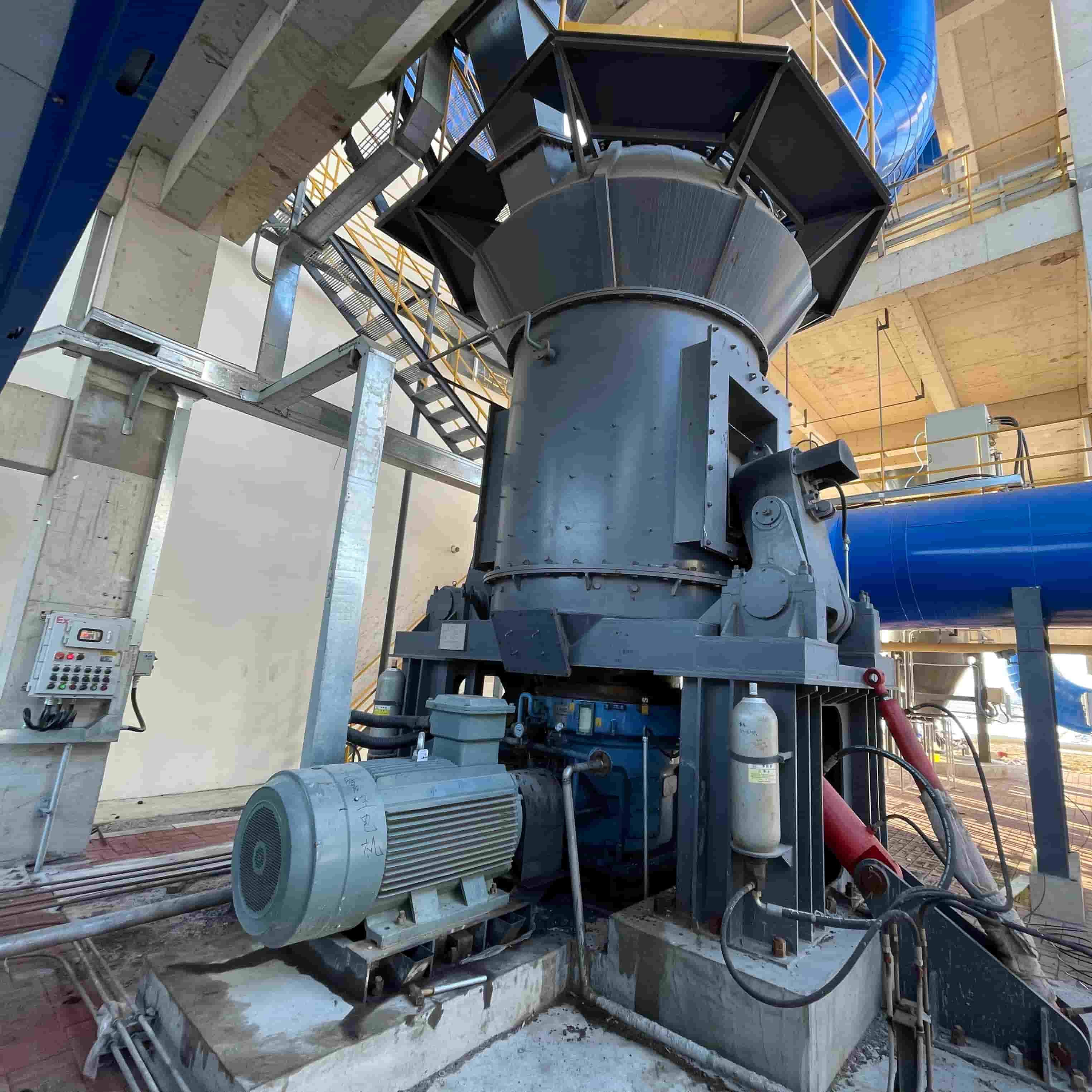
    Industrial "All-Rounder": Unveiling the Core Functions of the HVM Vertical Roller Mill In the vast industrial world, there is a piece of equipment that, while not widely known to the public, can truly be called the "unsung hero" of modern industrial civilization. It is widely used in cement, power generation, metallurgy, chemical, and other fields, shouldering the heavy responsibility of transforming massive rocks into fine powder. This equipment is the HVM vertical grinding mill, or simply the HVM mill. Today, we will take an in-depth look at what exactly the core functions of this machine are. If we were to sum it up in one sentence, the core function of the HVM energy saving vertical roller mill is "four-in-one"—integrating grinding, classifying, drying, and conveying into a single system. It acts like a powerful "machining center": raw materials go in, finished products come out, and all the complex intermediate processes are completed seamlessly within its body. Function 1: Crushing and Grinding – The Power of Compression This is the most fundamental and important function of the vertical mill. Unlike traditional ball mills, which rely on steel balls colliding with each other to crush materials, the vertical mill uses "compression" and "interparticle crushing" technology. Its working area mainly consists of a rotating grinding table and multiple fixed grinding rollers. When material falls from the top feed inlet onto the center of the rotating table, immense centrifugal force throws it toward the edge of the table, forming a uniform material bed. At this point, a hydraulic system drives the rollers, applying hundreds of tons of pressure onto the material. Large chunks are directly crushed, while finer particles undergo "interparticle crushing" under intense squeezing. This compression method is not only highly efficient but also typically consumes 30%–40% less energy than traditional ball mills.   Function 2: Classifying – Precision Screening via Airflow How do you ensure that the output powder is both fine and uniform? This is where the second core function of the HVM vertical mill comes into play—classifying.   After being ground, the material is carried upward by hot air (or airflow) blown from beneath the grinding table, rising to the dynamic classifier located at the top of the machine. The classifier operates like a high-speed rotating fan. By adjusting its rotational speed, it can precisely control the screening standard. Qualified fine powder passes through the gaps between the blades and is carried by the airflow to the next stage for collection as finished product, while coarse particles that fail to meet the fineness requirement are blocked by the blades and fall back onto the grinding table for further grinding. This allows the vertical mill to flexibly adjust product fineness, ranging from several tens of meshes to several hundred meshes.   Function 3: Drying – Integrated Drying During Grinding Many industrial raw materials—such as slag and raw meal—contain moisture. If dried separately, additional energy and equipment would be required. The HVM vertical mill elegantly solves this problem. During the grinding process, hot air at temperatures up to several hundred degrees Celsius is continuously blown in from the lower part of the mill. This hot air not only carries the material but also transfers its substantial heat, rapidly evaporating moisture while the material is being ground. This means that the vertical mill can directly process materials with a moisture content of up to 15%, combining grinding and drying into one step and greatly simplifying the overall process flow.   Function 4: Conveying and Reject Discharge – The Wisdom of "Containing All" Finally, the HVM vertical mill also plays the dual roles of conveyor and "cleaner."The powerful airflow lifts all powdered material from the edge of the grinding table and carries it into the classifier, achieving pneumatic conveying of the material. At the same time, the mill has its own way of handling "hard nuts" that cannot be ground—such as iron scraps or other tramp metal mixed into the raw material. Because these heavy objects are too heavy to be carried away by the airflow, they fall directly to the bottom of the mill, where they are pushed out through the reject discharge outlet by scraper plates. This effectively protects the grinding rollers and table from damage.   From massive ores to fine, high-quality powder, the HVM Vertical Roller Mill manufactured by Hefei Hengcheng uses a sophisticated system to efficiently integrate the five major functions of crushing, grinding, classifying, drying, and conveying. It not only saves on equipment investment and floor space but also, with its outstanding energy efficiency and stable product quality, stands as the ideal choice in the modern industrial grinding field.
  • Why Pneumatic Conveying Jet Pump Is Better Than Rotary Airlock for Powder Conveying
    Why Pneumatic Conveying Jet Pump Is Better Than Rotary Airlock for Powder Conveying
    Jun 15, 2026
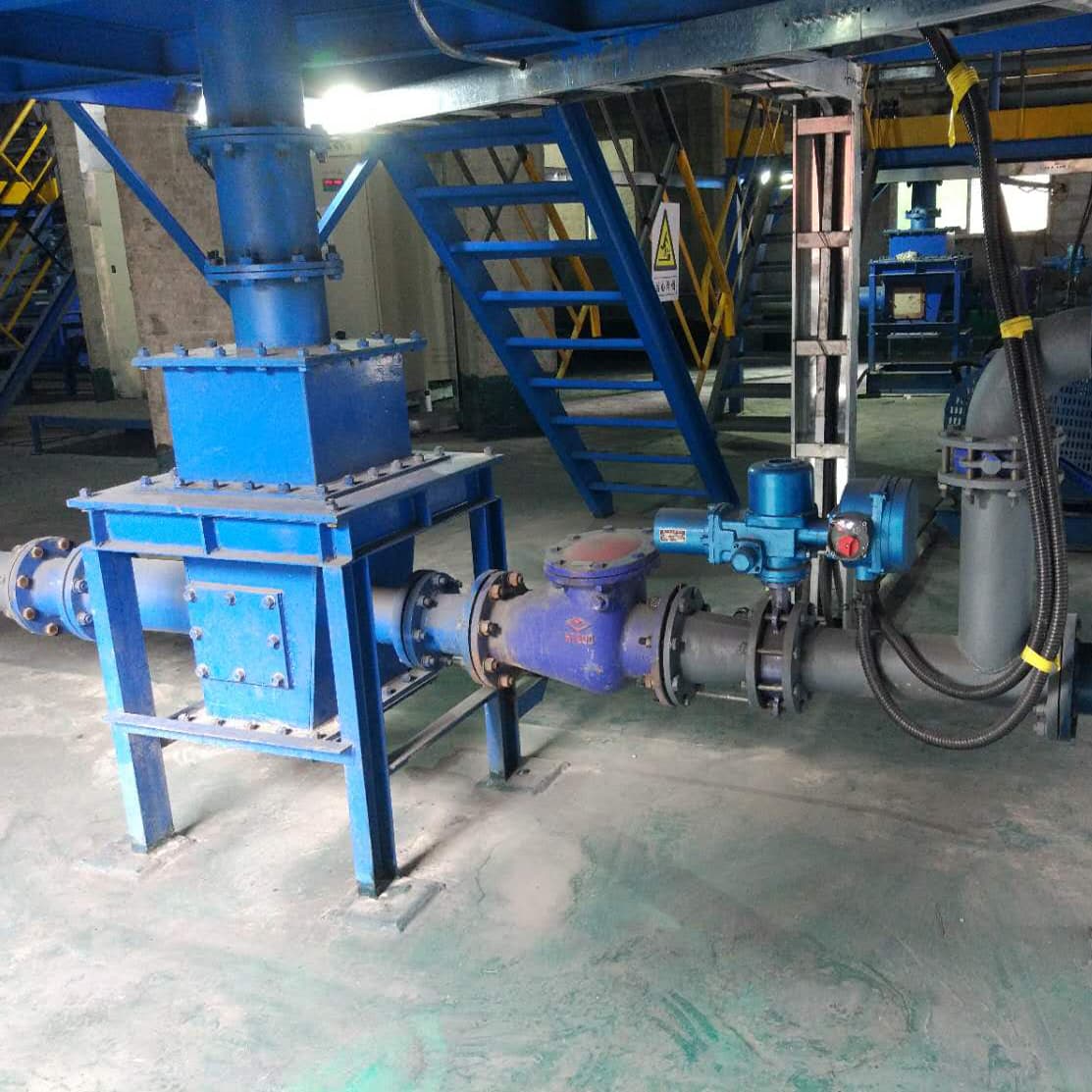
    Traditional rotary airlock valves easily wear out when handling abrasive powder such as fly ash, cement, and slag powder.Many industrial plants struggle with frequent blockages, dust leakage, and high maintenance costs in dilute phase powder conveying systems. A pneumatic conveying jet pump provides a simpler, maintenance-free, and fully sealed powder conveying solution that has become the preferred replacement for conventional rotary valve feeding systems.   Core Advantages of the Jet Pump System 1. No Moving Parts, Near-Zero Maintenance   No vulnerable components such as bearings or rotors, eliminating wear, jamming, and the need for frequent part replacements. Significantly reduces long-term operational and maintenance costs.   2. Fully Enclosed, Dust-Free Conveying   The integrated sealed chamber prevents material leakage when conveying powders such as fly ash, lime powder, and cement. Fully compliant with current environmental emission standards while improving the workshop working environment.   3. Low Air Consumption, Energy-Efficient and Stable   Compatible with low-pressure Roots blowers, operating at lower pressure and with less energy consumption compared to dense-phase conveying systems. Enables continuous, uniform material feeding, with an anti-backflow design that ensures stable flow and prevents material return.   4. Excellent Wear Resistance   The inner chamber is lined with alumina ceramic or an alloy wear-resistant layer, making it suitable for highly abrasive industrial powders. Capable of 24/7 continuous operation with extended service life.   Jet Pump vs. Rotary Valve – Key Differences Maintenance Cost: Jet pump is virtually maintenance-free, while rotary valves require frequent replacement of seals and bearings. Blockage Probability: The jet pump features a smooth flow path and almost never clogs, whereas hard particles can easily jam the rotary valve rotor. Dust Leakage: The jet pump is fully sealed with no powder leakage, while the rotary valve's inherent clearance inevitably leads to dust escape. System Complexity: The jet pump simplifies the entire conveying line, eliminating the need for complex feeding auxiliary devices.   Common Applications of Pneumatic Jet Pump - Power Plants: Conveying of fly ash and desulfurization ash - Cement Plants: Transfer of slag micro-powder, raw meal, and gypsum powder - Metallurgical Industry: Conveying of mineral powder and smelting ash - Building Materials Industry: Unloading and conveying of dry powder from silo bottoms - Chemical Industry: Conveying of non-corrosive granular and powder materials   Conclusion If your dilute-phase powder conveying project demands stable operation, low maintenance, and dust-free working conditions, the pneumatic jet pump offers better value for money compared to traditional rotary valve solutions. Its compact design, wear-resistant construction, and energy-saving features make it an ideal choice for modern industrial powder conveying.   Get a Customized Jet Pump Conveying Solution We can customize the pneumatic jet pump model and plan the complete piping layout based on your material type, conveying capacity, and conveying distance, providing a full conveying system solution. Contact us for a free technical quotation and layout drawings.
  • Dense Phase Pneumatic Conveying Bin Pump: Working Principle & Selection Benefits
    Dense Phase Pneumatic Conveying Bin Pump: Working Principle & Selection Benefits
    Jun 09, 2026
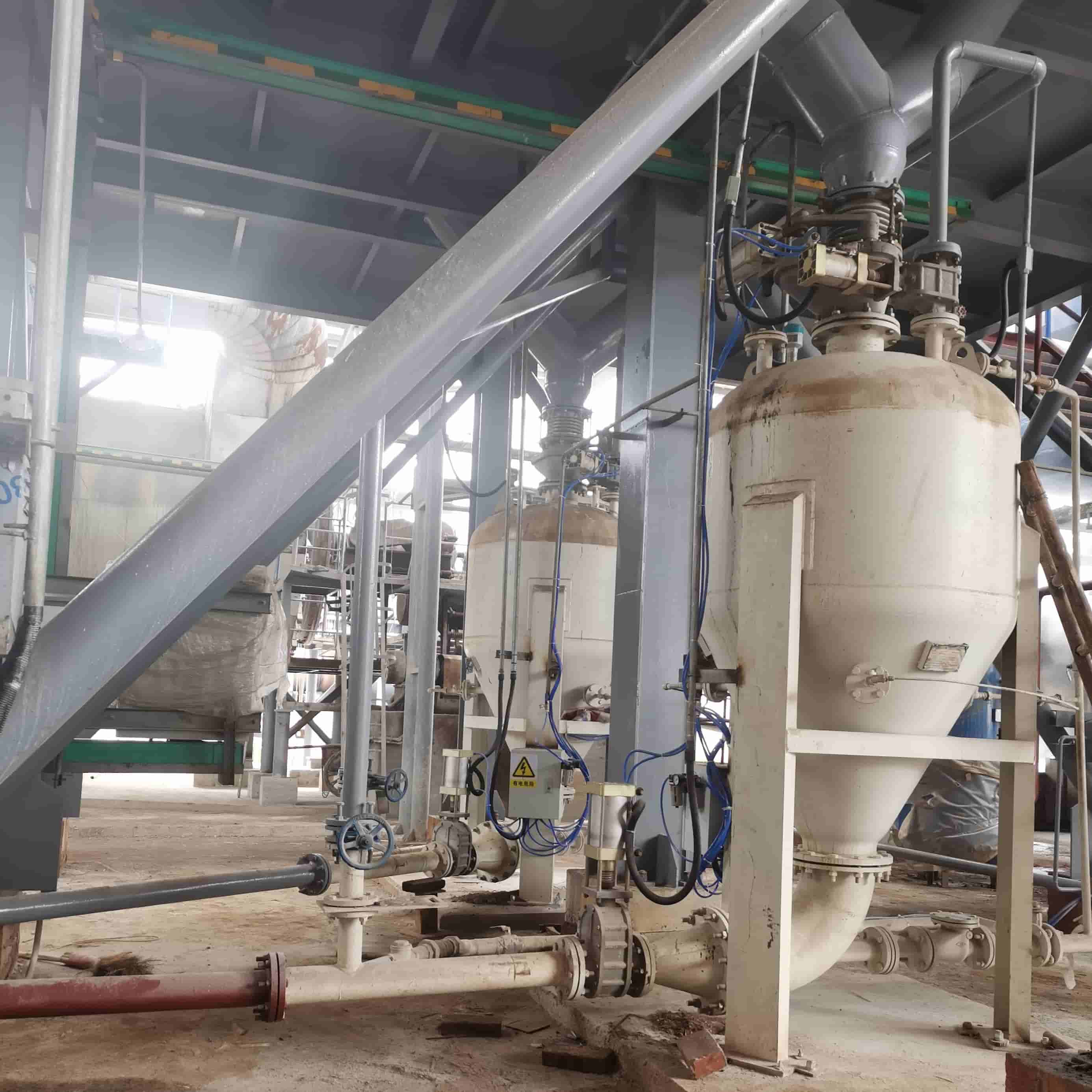
    The pneumatic conveying bin pump is the core equipment of a dense phase conveying system, also known as a sending tank. It is widely used in power plants, cement plants, chemical plants, and mining for enclosed conveying of fly ash, cement, slag, lime powder, and other dry bulk materials. Compared to dilute phase systems, it offers low wear, low energy consumption, dust-free operation, and long-distance conveying — making it the mainstream solution for industrial powder conveying. I. Core Working Principle of Pneumatic Conveying Bin Pump The bin pump is an intermittent dense phase pneumatic conveying device with PLC automatic control for unattended cyclic operation. The process includes four steps: Step Action 1 Automatic feeding until tank is full, then inlet valve closes 2 Compressed air pressurizes and fluidizes the powder 3 Pressure difference pushes material through pipeline (bottom discharge design prevents clogging) 4 Tank automatically releases pressure and starts next cycle II. Key Advantages of Bin Pump ✅ Dust-Free & Eco-Friendly – Fully enclosed, zero dust leakage, meets environmental standards ✅ Low Wear Fly Ash Bin Pump & Long Life – Dense phase low-speed conveying + wear-resistant tank, lower maintenance cost ✅ High Capacity & Energy Saving – Less air consumption, supports long-distance conveying, customizable tank volume ✅ Wide Material Compatibility – Stable for fly ash, cement, mineral powder, chemical powders; anti-clogging design Caption:Low Wear Fly Ash Bin Pump On-site Test Operation III. Main Applications Power Plants – Fly ash conveying Cement Plants – CEnergy Saving Cement Powder Bin Pump Metallurgy & Mining – Mineral & lime powder conveying Chemical Industry – Enclosed dry chemical powder transfer 👉 Heavy Duty Long Distance Bin Pump available for extreme conditions – higher pressure resistance & longer distance.   Summary Environmental compliance and automation are the future of industry. Energy-efficient pneumatic conveying bin pumps are becoming the ideal replacement for outdated conveying equipment. Proper selection based on your actual operating conditions not only improves efficiency but also helps control long-term operating costs. Have a project in mind? Contact us for a solution and quote.
1 2

Want to talk? Reach out to our experts

Contact Us

leave a message

leave a message
If you are interested in our products and want to know more details,please leave a message here,we will reply you as soon as we can.
submit
Contact us:margo@hfvrm.com

Home

Products

WhatsApp

contact